Picsart launches open creator monetization program to reward performance over followers
The AI design platform bets on engagement, not audience size, to power creator income

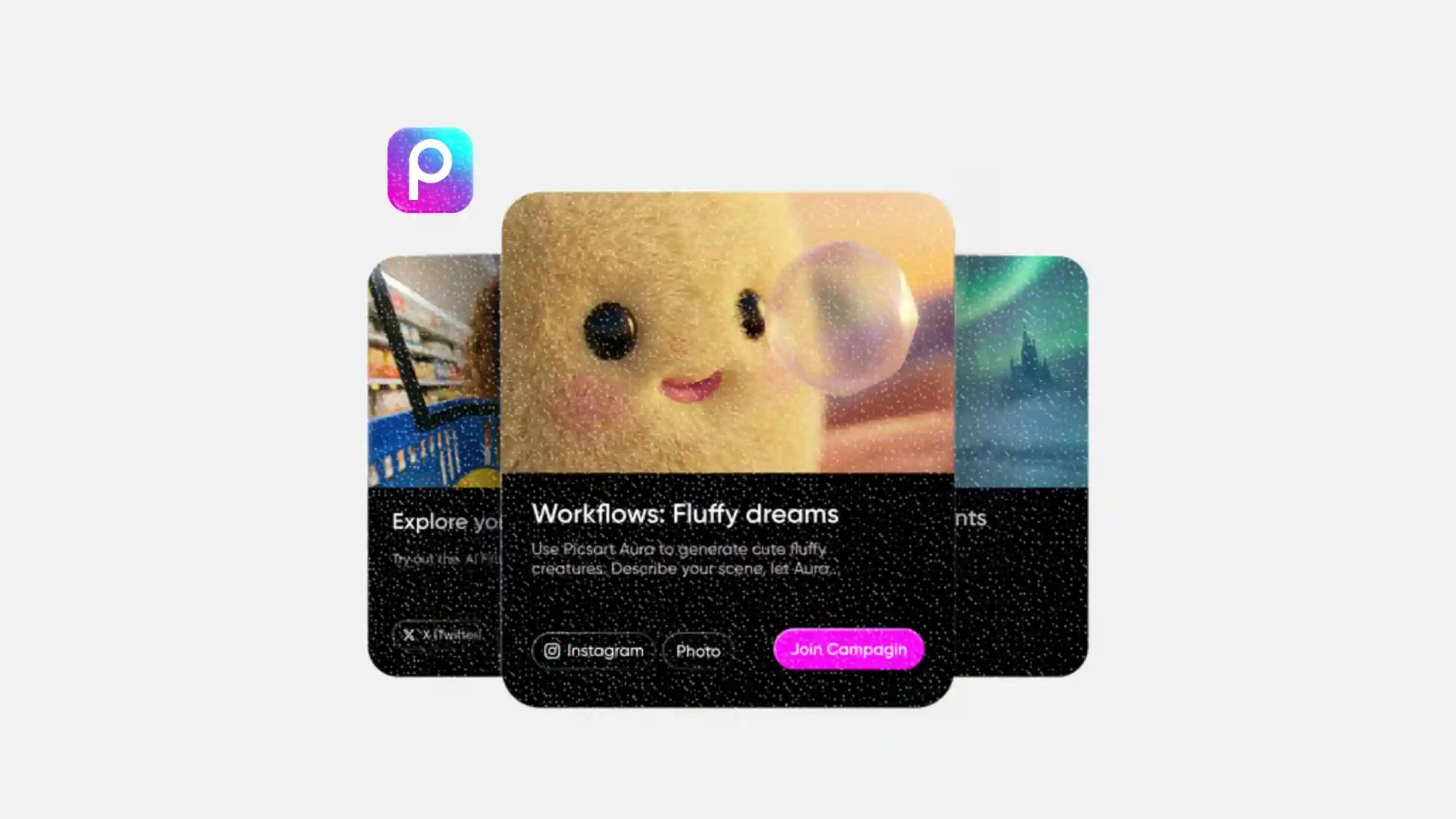
AI-powered design platform Picsart is making a calculated move into the creator economy, but with a twist that challenges how monetization typically works. Instead of rewarding reach, the company is betting on performance.

This article explores how “Earn with Picsart” works, why it signals a deeper platform shift, and what it means for marketers navigating a creator landscape that is becoming more AI-driven and less dependent on influencer scale.
Short on time?
Here’s a table of contents for quick access:
- What is Earn with Picsart and how does it work
- Why Picsart is shifting toward performance-based creator monetization
- What marketers should know about this model
 Patrecia Meliana
What is Earn with Picsart and how does it work
Picsart has launched “Earn with Picsart,” an open creator monetization program that allows anyone to participate, regardless of follower count or prior influence.
The model is straightforward. Creators use Picsart’s tools to produce content based on campaign prompts, publish that content on their own social channels, and earn money based on engagement metrics such as views, comments, shares, and reach.
Once enrolled, creators gain access to a dashboard that lists active campaigns and creative briefs. After publishing, they submit their content for tracking, and payouts are processed through Stripe.
The platform emphasizes that simply generating AI content is not enough. Engagement and creative effort are key to earning, signaling that quality and originality still matter in an AI-assisted workflow.
Why Picsart is shifting toward performance-based creator monetization
This launch is more than a feature update. It represents a strategic repositioning of Picsart from a design tool into a creator economy platform. Traditionally, monetization programs have favored creators with large audiences. Picsart is deliberately removing that barrier, focusing instead on content performance.
This approach addresses several long-standing issues in the creator economy:
- Access inequality: Many programs require large followings. Picsart removes that requirement entirely.
- Opaque payouts: Earnings here are tied directly to measurable engagement.
- Platform lock-in: Creators continue posting on Instagram, TikTok, YouTube, and X rather than migrating to a new ecosystem.
With over 130 million users globally, Picsart is leveraging its scale to build a more inclusive monetization layer on top of its existing creative tools.
The move also aligns with its broader AI strategy, including recent launches like an AI agent marketplace and generative tools such as Aura, which help creators produce content faster.
Patrecia Meliana
What marketers should know about this model
For marketers and PR professionals, this shift introduces both opportunity and complexity. The idea of paying for performance rather than reach has real implications for how campaigns are structured.
Here are the key takeaways:
1. Micro-creators just became more valuable
Without follower thresholds, brands can tap into a wider pool of creators. This increases diversity of content and reduces reliance on expensive influencers.
2. Creative quality becomes the primary filter
Since earnings depend on engagement, the model incentivizes better storytelling, not just distribution. This aligns well with brands looking for authentic, high-performing content.
3. AI-assisted content production is now mainstream
With tools like Aura and AI editors built into the workflow, creators can scale output faster. Marketers should expect higher content volume and faster iteration cycles.
4. Campaigns become more performance-driven by default
Instead of negotiating fixed fees, brands can align budgets with outcomes. This could reduce wasted spend and improve ROI tracking.
5. Platform strategy shifts from distribution to enablement
Picsart is not competing with social platforms. It is enabling creators to perform better on them. That distinction matters for marketers planning cross-platform campaigns.
Picsart’s monetization push reflects a broader evolution in the creator economy. The focus is shifting from who you are to how your content performs.
For marketers, this is a signal to rethink how creator partnerships are evaluated. Reach still matters, but performance and creative execution are becoming the real differentiators. As AI tools continue to lower the barrier to content creation, the next competitive edge will not be access, but the ability to consistently produce content that resonates.