PMG acquires Digital Voices to scale influencer marketing intelligence
PMG acquires influencer agency Digital Voices, adding Chord and Composer tools to its Alli tech platform.

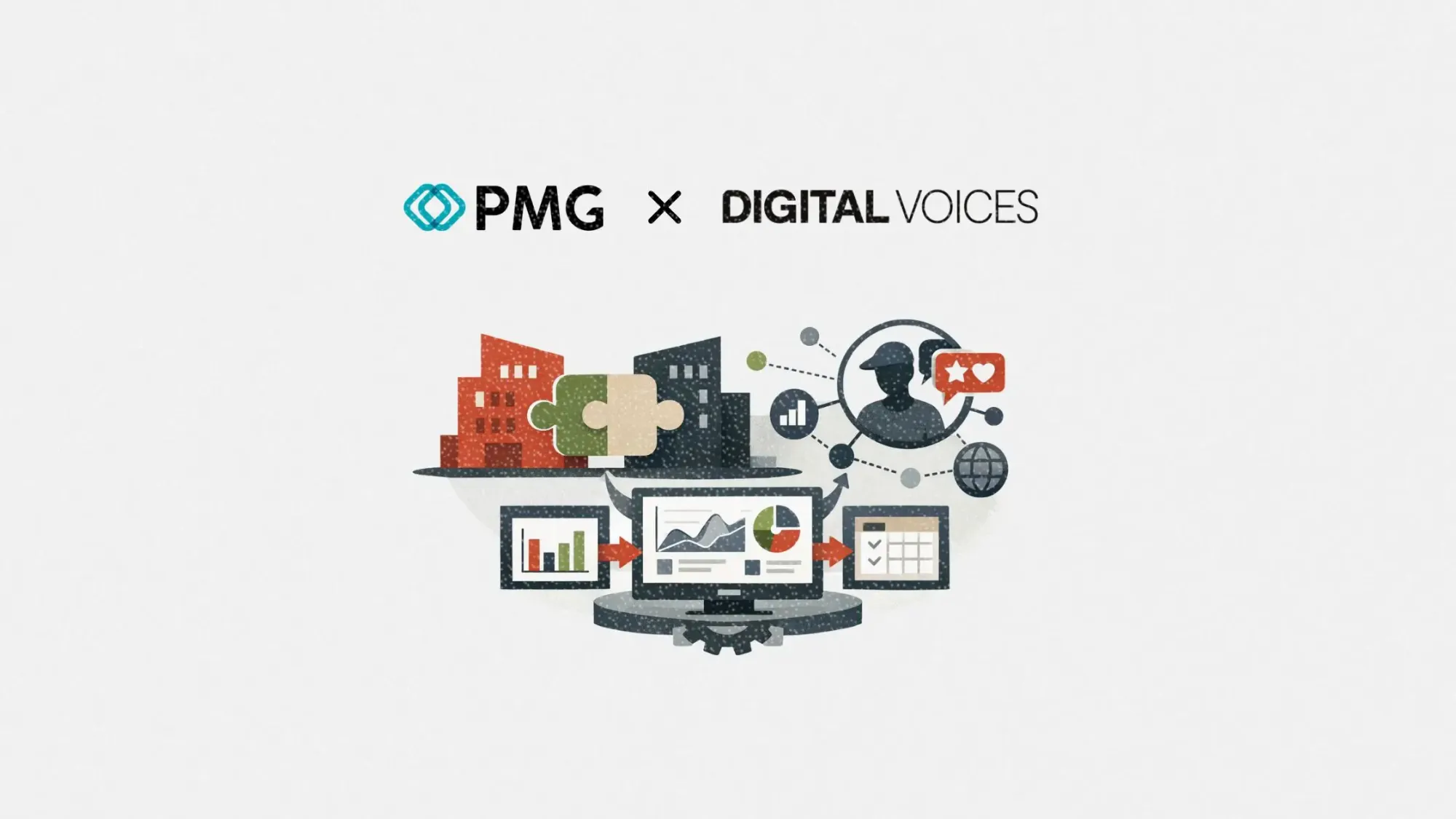
Independent martech agency PMG has acquired Digital Voices, an influencer marketing firm with offices in London, New York, and Costa Rica. The deal brings 70 staff into PMG’s organization and strengthens its capabilities in creator-led campaigns, particularly across the UK and US.
The acquisition also adds two proprietary tools—Chord and Composer—into PMG’s existing technology stack. These will be integrated into the company’s Alli Marketplace platform, which is used to manage digital media, performance tracking, and campaign workflows. We look at how the move fits into PMG’s broader strategy and what it suggests about the evolving role of influencer marketing in integrated media planning.
Short on time?
Here’s a table of contents for quick access:
- What happened in the deal
- Why PMG bought Digital Voices
- What marketers should know
- Strategic implications
What happened in the deal
PMG, a Dallas-based marketing services and technology company, has acquired influencer agency Digital Voices. The firm is known for its data-led approach to influencer campaigns and has staff across three offices in London, New York, and Costa Rica.
The move follows PMG’s 2025 acquisition of Momentum Commerce and marks the agency’s fourth acquisition in its 15-year history. Terms of the deal were not disclosed.
Digital Voices brings with it two in-house platforms: Chord, a benchmarking tool for influencer performance, and Composer, a workflow and planning tool. PMG stated that these capabilities will be added to Alli Marketplace, its proprietary platform that supports media activation and campaign intelligence.
Why PMG bought Digital Voices
The acquisition aligns with PMG’s stated goal of delivering full-funnel, tech-enabled marketing strategies at scale. As influencer marketing becomes more structured and accountable, there is growing demand for operational tools that can standardize performance tracking and content delivery across markets.
PMG appears to be focusing on expanding its infrastructure for influencer work, treating it as an integrated channel rather than a standalone tactic. By embedding Digital Voices’ tools into Alli, the company is aiming to centralize management of influencer campaigns alongside media, analytics, and content operations.
For Digital Voices, the move offers access to expanded resources, platform capabilities, and a wider set of global clients. Founder and CEO Jennifer Quigley-Jones noted that the team will now be better positioned to scale its offering and contribute to commercial outcomes across channels.
What marketers should know
Here are four takeaways for marketers assessing how influencer marketing fits into a wider media strategy:
1. Influencer tech is becoming operational, not optional
Chord and Composer will be folded into PMG’s Alli platform, suggesting that influencer campaign tools are being treated like core infrastructure. Teams managing creator relationships may need to align more closely with performance and media operations.
2. Global influencer execution is under pressure to standardize
With teams in London, New York, and Costa Rica, Digital Voices provides geographic coverage and operational support. Marketers planning multi-market influencer campaigns will likely see more emphasis on consistency, performance metrics, and shared tooling.
3. Measurement expectations are increasing
The integration of benchmarking and planning tools signals a push toward more quantifiable results. Brands may need to revisit how they define success for creator partnerships, particularly in campaigns tied to commerce or lower-funnel KPIs.
4. Influencer marketing is being absorbed into broader marketing systems
As platforms like Alli evolve, influencer marketing is being positioned alongside programmatic, social, and retail media. This creates both an opportunity and a challenge: marketers will need to ensure that influencer strategy is not siloed, but also not overly commoditized.
Strategic implications
This acquisition reflects a broader trend in the creator economy: influencer marketing is moving into the infrastructure phase. As agencies invest in proprietary tools and campaign systems, brands are likely to see increased automation, standardization, and reporting around creator programs.
For marketers, the key consideration is integration. Influencer campaigns are increasingly expected to ladder up to business objectives and sit within centralized marketing systems. Teams that treat creators as a separate or less accountable channel may find themselves out of step with how the industry is evolving.