
Pudgy Penguins plans candy fan zones at 110 IT'SUGAR stores
A December 2026 retail rollout will bring surprise penguin gummies, collectible containers and new character displays to 110 US candy stores.


A familiar cartoon character on a shelf can make an ordinary snack feel like something worth keeping. That is the idea behind a new seasonal retail expansion involving Pudgy Penguins and the American novelty-candy chain IT'SUGAR. The characters are not simply printed on wrappers. They are being folded into surprise gummies, small containers and dedicated spaces inside the retailer's stores.
In a November 19 announcement, the partners outlined a December 2026 rollout across all 110 IT'SUGAR locations in the United States. The campaign brings candy, merchandise and character collectibles together, with further releases planned into early March 2027. It is the latest phase of a partnership first announced earlier this year, not the first time these two brands have collaborated.
Pax Pengu and Polly, the characters at the center of Pudgy Penguins' merchandise universe, provide a recognizable motif for the candy assortment. The larger experiment is whether the familiarity of a character, combined with the surprise of what is inside a sweet, can persuade visitors to treat a candy shop like a place to browse and collect.
Table of contents
Jump to each section:
- Inside the 110-store candy rollout
- Why gummy igloos double as collectibles
- How Pudgy Penguins grew beyond one retail moment
- What the candy tie-in reveals about fandom
- What marketers should know about character collectibles
Inside the 110-store candy rollout
The planned launch will place Pudgy Penguins displays near the front of IT'SUGAR's 110 stores starting in December. These are intended to function as recognizable character destinations rather than products scattered throughout existing shelves. The displays will pair sweets developed by IT'SUGAR with other Pudgy Penguins merchandise and collectibles. The nationwide setup is expected to be in place by mid-December, according to the companies.
There is a local launch moment built into the larger plan. During Miami Art Week, the partners intend to hold a community celebration at IT'SUGAR's Bayside Marketplace store. The announcement does not give attendance forecasts or claim that the event has already happened. Its significance is the connection between a physical gathering and a more widely available retail assortment.
The schedule stretches beyond one shopping weekend. The dedicated destinations are described as running from December through Valentine's Day, while additional candy products and related activations are expected through early March 2027. The brands also say shoppers outside participating locations will be able to buy the collection from IT'SUGAR's website.
That longer period matters because a collectible line works differently from a single promotional package. A December arrival gives customers one reason to investigate. Product additions over the following weeks can offer a reason to return. Whether they actually produce repeat store visits remains unmeasured; neither brand disclosed campaign sales targets or footfall projections.
Why gummy igloos double as collectibles
The centerpiece is a peelable gummy shaped like an igloo, with a surprise penguin character inside. It borrows a basic pleasure from blind-box toys, the moment of discovery, and puts it into the format of a confection. The candy is meant to be eaten, but the act of revealing a character gives it a small ritual before that happens.
Other pieces of the range are designed to be recognizable without an explanation. The partners describe three-dimensional Pax Pengu and Polly gummies in IT'SUGAR's bulk-candy assortment, penguin-shaped wax candy and Mallow Pops. A collectible igloo candy container and a special Vibes trading card push the assortment toward objects that shoppers might retain after the sweets are gone.
Those details are important distinctions. The launch is not simply an established character license applied to a standard candy bag. It combines an edible reveal, character-shaped treats and physical merchandise in the same retail setting. The assortment moves between food and toy-like experiences, an especially natural fit for a retailer whose identity is built around novelty and oversized confectionery.
It also gives two audiences a potential way in. Existing Pudgy Penguins collectors can recognize familiar characters in a new category. Someone who encounters the display while shopping for candy does not need to know the brand's digital origins to understand a playful penguin in a gummy igloo. That accessibility is a plausible design advantage, not a confirmed measure of customer conversion.
How Pudgy Penguins grew beyond one retail moment
The November announcement is a rollout update, not an entirely new licensing agreement. In a May 2026 industry report, the partners had already described a direct-to-retail confectionery license and plans for about 105 stores, with an initial launch targeted for the third quarter. That earlier report mentioned gummies, chocolates and collectible containers, with broader in-store activations to follow.
Pudgy Penguins' own May recap also discussed the agreement as part of a wider push into consumer products. The brand's official online shop currently lists plush toys, accessories, bag charms and blind-box keychains, showing that physical merchandise is already central to its presence outside online communities.
The fresh news is the more specific seasonal execution. The location count is now 110, the partners have described individual character sweets and the igloo reveal, and the national rollout has a December schedule with a Miami community launch. These are material details for a reader trying to distinguish a licensing promise from a visible consumer activation.
According to the new release, the companies first worked together at Miami Art Week in 2025. This December's planned celebration returns the partnership to that setting while broadening the distribution across the retailer's U.S. estate. It creates a link between a limited local experience and a product range that is intended to be much easier to encounter.
Pudgy Penguins CEO Luca Netz framed the move as part of building familiarity with the characters beyond their existing community. IT'SUGAR CEO Ryan Nelson emphasized making shopping playful and surprising. Those statements describe the companies' intentions; they do not establish that the wider public has embraced the collaboration or that the new line has met any commercial goal.
What the candy tie-in reveals about fandom
There are two different kinds of value in a character-led candy launch. One is straightforward: a recognizable design can make a product stand out when shoppers are choosing among many sweet options. The other comes from what people do around the purchase, including looking for a particular character, giving one as a gift or keeping a container.
IT'SUGAR's planned setup attempts to combine those motivations in one location. A customer can encounter the display as part of a normal shopping trip, then move from a small candy purchase toward merchandise or a collectible. The exclusive trading card and surprise-character gummy give the assortment a reason to be discussed as something more specific than another licensed snack.
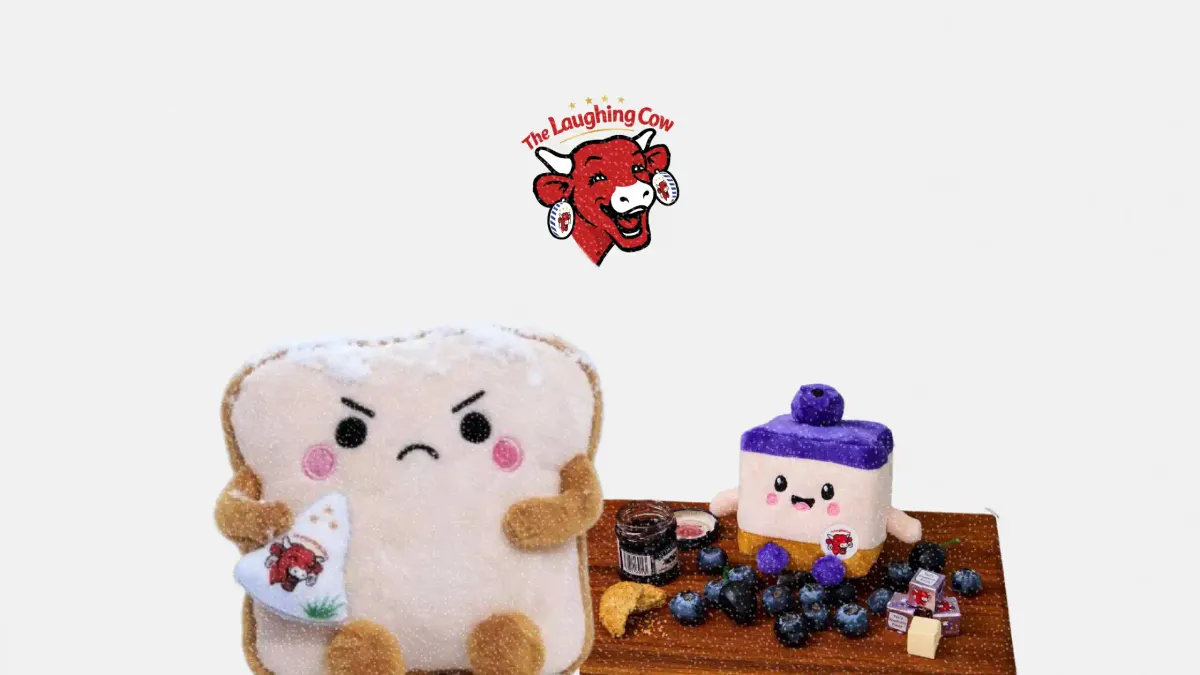
The approach is comparable in principle to other food brands' collectible merchandise, though it should not be mistaken for proof of the same results. For instance, ContentGrip has covered how The Laughing Cow used plush characters and surprise mechanics alongside retail events in Southeast Asia. Pudgy Penguins takes a related mix of recognizable characters and physical products into a specialty candy chain in the United States.
The online-to-offline context is relevant, too. The Pudgy Penguins community uses the name Huddle, and the brand has invested in products that can be displayed, held and gifted. Placing Pax and Polly inside a candy retailer introduces the characters to an everyday consumer setting rather than making community participation a prerequisite for discovering them.
The risk for any licensed collection is that novelty alone may not create sustained interest. A collector might want the card or container but have little reason to keep buying the candy. A casual shopper may enjoy the packaging and never become interested in the broader character universe. The staggered release plan offers opportunities to test those different motivations, but the companies have not released data showing how customers behave.
What marketers should know about character collectibles
A character collaboration is most persuasive when the product, the setting and the audience each have a role. The Pudgy Penguins and IT'SUGAR plan illustrates several questions that other consumer marketers can ask when considering collectible tie-ins.
- Make the product itself part of the experience. The peelable gummy igloo gives the surprise element a physical action. Shoppers can encounter the idea without downloading an app or understanding a complicated promotion. The candy is doing some of the storytelling rather than relying only on packaging artwork.
- Connect collectibles to a recognizable place. Front-of-store character destinations create a clear visual home for the assortment. The exact merchandising design will only be assessable when stores are set up, but the announced placement makes the collaboration easier to find than products dispersed throughout a large candy selection.
- Give an existing community a reason to explore a new category. Pax and Polly's appearance in sweets is a category extension of a brand already selling plushies and small merchandise. The card and container speak more directly to collecting, while the gummies are intended for people who may simply like playful candy.
- Separate announced reach from actual results. A 110-store distribution plan is significant as access, not as evidence of sales. Similarly, planned releases through March 2027 create opportunities for repeated engagement without guaranteeing it. Marketers assessing campaigns like this should distinguish rollout scale from sell-through, repeat purchases and genuine audience response.
The most interesting part of the partnership may be the small, ordinary object at its center. A candy igloo is easy to understand without knowing the backstory of the characters. For someone already invested in Pudgy Penguins, the same object can carry another layer of meaning, connected to a familiar collection and community.
That dual meaning is the opportunity in character licensing. Brands want products accessible enough for casual shoppers and specific enough to be meaningful to fans. The December launch will show how that idea looks in stores. Its commercial impact, however, will require evidence beyond the announcement.
