
Rick and Morty bring mutant moustaches to Movember's 2026 campaign
Movember teams with Rick and Morty and comedians for a 2026 campaign encouraging friends to take action for men's health.

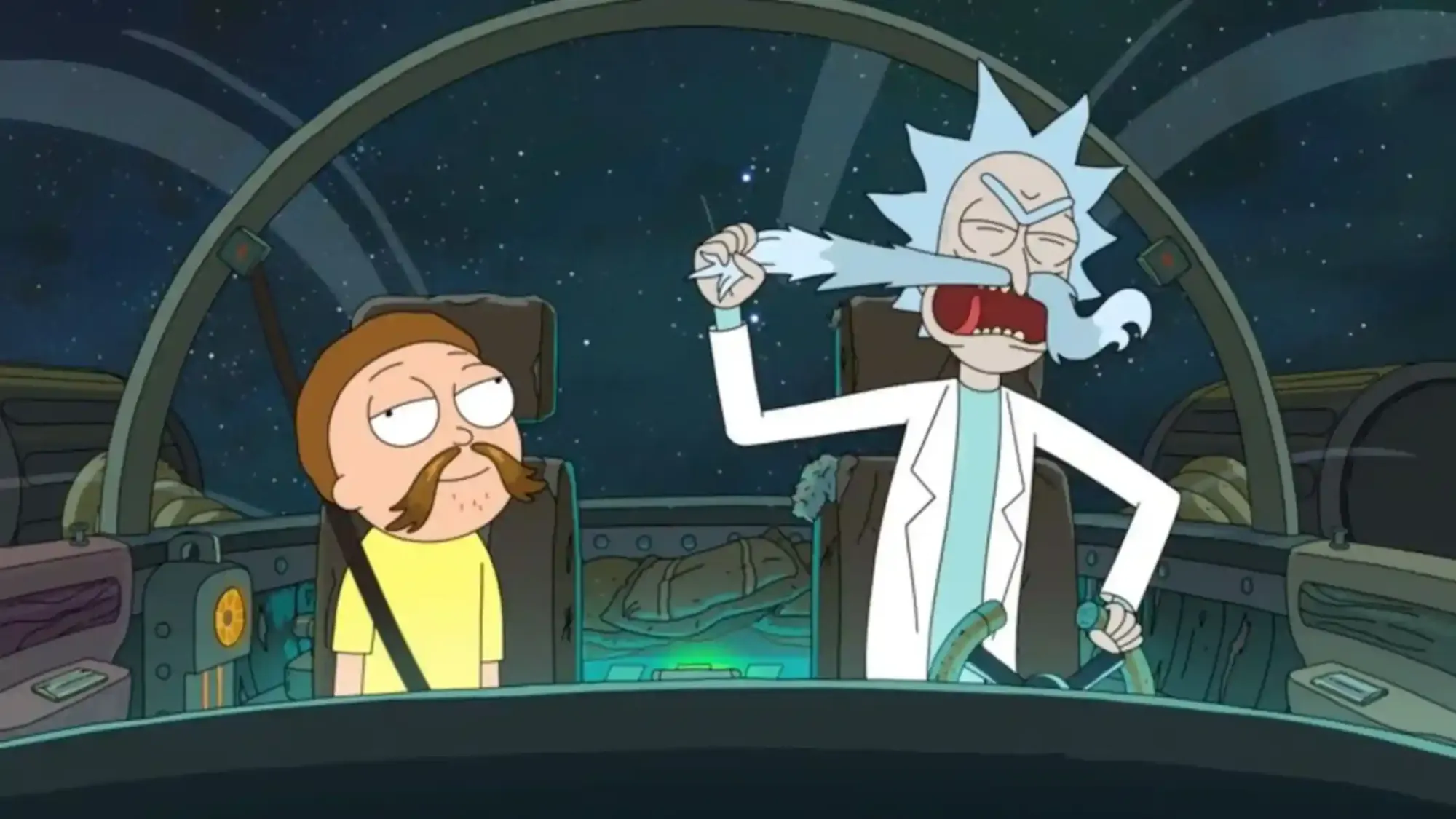
The joke starts with a moustache that is not quite what it seems. In a new Rick and Morty short, the animated duo appear ready to grow facial hair for a good cause, only for the moustaches to turn out to be strange creatures called “body stachers.” It is the kind of absurd sci-fi gag that fits the series, even when the subject is men's health.
That familiar humor is now part of Movember's 2026 global campaign, Make a Growmitment. The charity is pairing Adult Swim's animated characters with comedians Aaron Chen and John Cruckshank to encourage people to take part in fundraising and awareness activities with friends. Rather than treating participation as a solitary promise, the campaign makes it something people do together.
Table of contents
Jump to each section:
- How Rick and Morty turn moustaches into a punchline
- Why Movember wants people to make a Growmitment together
- The cultural logic behind the comedy partnership
- What marketers can learn from Movember's campaign
How Rick and Morty turn moustaches into a punchline
Rick and Morty is an Adult Swim animated series built around science-fiction adventures and dark, often surreal comedy. Its characters are a recognizable fit for a campaign that wants to make an awkward conversation easier to start without making light of the underlying health issues.
In Movember's official campaign video, the characters admire their new moustaches before the story takes an unexpected turn. The joke supplies an immediate reason to watch. The closing message then asks viewers to grow a moustache with a friend and help change men's health.
The wider campaign also features comedians Aaron Chen and John Cruckshank, whose attempts at moustache-growing bring the same playful premise into live action. Creative agencies Special and CREATIVITY&COMMERCE worked on the global campaign.
Why Movember wants people to make a Growmitment together
The campaign's central invitation is to make a commitment with someone else. Participants can grow a moustache, take on a movement challenge, host an event, or choose another fundraising activity. That range gives people more than one way to join, including those who cannot or do not want to grow facial hair.
Movember supports work related to mental health and suicide prevention, prostate cancer, and testicular cancer. Its moustache has long served as a conversation starter. Here, the shared commitment becomes another way to get people talking and keep them involved.
The pairing matters because a friend can turn a vague intention into a visible, shared activity. For the audience, the invitation is less about receiving a health message from an organization and more about asking someone they know to take part.
The cultural logic behind the comedy partnership
Entertainment IP gives Movember a way into audiences who may not seek out health-campaign advertising. Rick and Morty's absurdist tone makes the moustache premise feel native to the show rather than an unrelated public-service message attached to familiar characters.
The creative also gives the campaign two distinct kinds of comedy. Animation supplies the impossible gag, while the comedians offer a more recognizable version of the same challenge. Both lead back to the idea of doing something with a friend.
Movember CEO Andrew Little described the campaign to Little Black Book as an example of the organization's ability to “tap into culture to reach new audiences.” That is a statement of intent, not proof of additional reach. Public results showing whether the partnership increased participation or donations were not available in the material reviewed.
There is an important distinction between borrowing a famous character and building a campaign around what makes that character familiar. The latter gives audiences a reason to engage with the creative on its own terms, before they encounter the organization's call to action.
What marketers can learn from Movember's campaign
The most interesting part of Make a Growmitment is not simply that a charity recruited recognizable entertainment talent. It is how the campaign connects the humor of that talent to a concrete social action.
- Let the IP behave like itself. The animated spot uses Rick and Morty's surreal humor rather than asking the characters to deliver a conventional scripted appeal.
- Give attention somewhere to go. The creative connects the joke to specific ways of participating, making the next step clearer than a general awareness message.
- Build participation around relationships. A commitment made with a friend can feel more personal than a message directed at an individual viewer.
- Measure action separately from attention. The presence of popular characters does not by itself demonstrate fundraising impact. Participation and donation outcomes would be needed to evaluate that result.
For brands and nonprofits alike, the lesson is that cultural relevance works best when it connects to the behavior a campaign is asking people to adopt. The characters bring the audience into the story, but the shared challenge gives the story a purpose beyond entertainment.
Movember's approach also shows why the creative idea needs to travel across formats. An animated gag, a comedian-led film, and a real-world challenge can feel like parts of one campaign when they share the same invitation.
The test will be whether people move from watching the moustache joke to making a Growmitment of their own. That outcome remains to be seen.
