
Roto-Rooter turns Brown Friday into a Traitors parody
Roto-Rooter and Doe-Anderson parody The Traitors to turn Thanksgiving plumbing mishaps into timely social entertainment.


For fans of The Traitors, even the most innocent-looking person can be hiding something. At Thanksgiving, Roto-Rooter is applying that logic to a rather less glamorous mystery: who is responsible for the clogged drain?
The plumbing brand and agency Doe-Anderson have created Brown Friday Traitors, a social campaign that borrows the language of the reality competition to dramatize the aftermath of a holiday feast. Reported by Little Black Book on November 25, the parody arrives just before the US Thanksgiving holiday on November 26. Rather than compete for attention with Black Friday discounts, it focuses on a seasonal moment the company already knows well.
Table of contents
- A reality TV mystery meets the Thanksgiving kitchen
- Why Brown Friday matters to a plumbing brand
- Building a recurring holiday marketing property
- What marketers can learn from the campaign
A reality TV mystery meets the Thanksgiving kitchen
The premise of The Traitors is built around distrust. A group of contestants must identify the secretly selected Traitors before the latter deceive their way to victory. In the US edition, host Alan Cumming presides over the competing factions.
The format is particularly recognizable at the moment. Peacock confirmed on November 20 that the fifth celebrity season would debut on January 14, 2027. Its civilian spin-off also became available to binge on November 20.
Roto-Rooter swaps the competition's familiar atmosphere of suspicion for the domestic chaos of Thanksgiving. The central joke is that a plumbing problem can have a culprit, even when everyone at the gathering seems innocent.
The agency-submitted creative includes character-focused visuals, making household suspects part of the storytelling. The campaign is a parody; the available reporting does not establish an official collaboration with Peacock or The Traitors franchise.

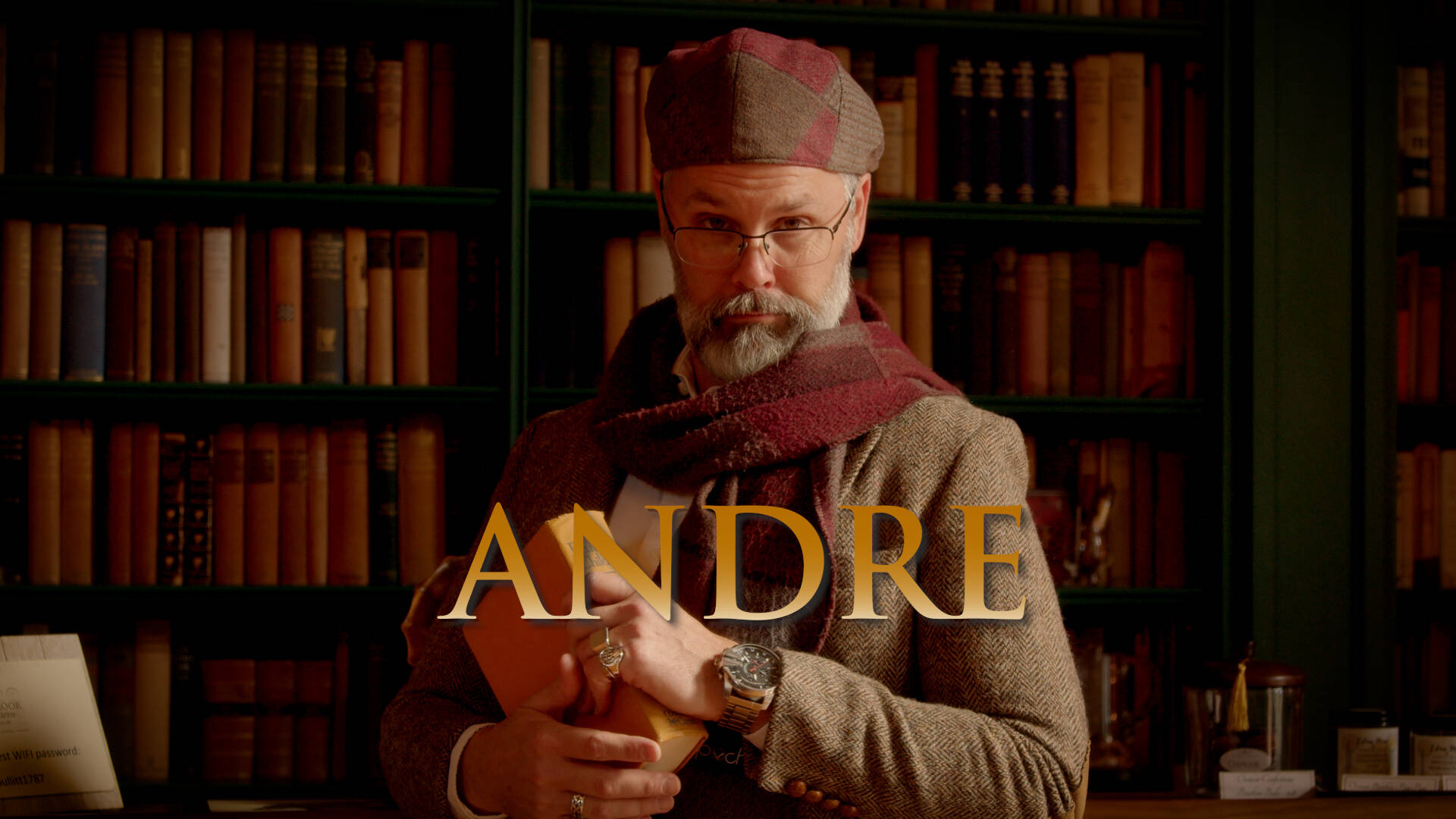
For a category that often relies on practical explanations and emergency-service messaging, the entertainment format gives the audience a different reason to pay attention before the need for a plumber actually arises.

Why Brown Friday matters to a plumbing brand
The timing is based on more than a holiday pun. Roto-Rooter describes the day after Thanksgiving as its busiest day for plumbing service, when holiday cooking, additional guests and increased bathroom use put pressure on household drains.
In its November 23 company announcement, Roto-Rooter reported that the day after Thanksgiving consistently generates a 50% increase in service calls, while the Thursday-through-Sunday holiday weekend typically sees a 21% increase.
The company said it would deploy every available plumber and service technician on Brown Friday. It also published preventive advice about disposing of cooking grease, food scraps and wipes.
These figures describe recurring service demand, not results from the new advertising. Nevertheless, they explain why Brown Friday is a commercially relevant occasion for a plumbing company rather than merely an opportunity for a joke.
A retailer might use the holiday weekend to encourage discretionary purchases. Roto-Rooter faces the opposite challenge: many potential customers would prefer not to need its services at all. Humor can help the company make preventive advice memorable while keeping its name associated with the solution when problems do occur.
Building a recurring holiday marketing property
Brown Friday is not a new idea for Roto-Rooter. In 2025, the brand and Doe-Anderson used an escape-room-style holiday campaign to put a different entertainment spin on Thanksgiving plumbing mishaps.
The two executions illustrate how a brand can keep the same seasonal association while changing its creative format. The holiday provides continuity; the specific genre supplies novelty.
Miles Harvey, executive creative director at Doe-Anderson, described the aim as connecting the brand's existing campaign messaging with culture. Brown Friday Traitors supports Roto-Rooter's broader Leave Plumbing to the Pros positioning.
This distinction matters because a familiar television reference alone cannot build a lasting brand association. The joke has to reinforce something customers can remember about the advertiser after they finish watching.
By keeping the plumbing problem at the center of the story, the campaign gives the parody a commercial purpose. Whether the format generates incremental awareness or demand remains unproven, since campaign performance figures were not disclosed in the available reporting.
What marketers can learn from the campaign
The campaign offers several practical considerations for marketers working with less conventionally entertaining product categories.
- Find a moment the category can genuinely own. Brown Friday is linked to a recurring customer problem. Brands can start with service data, search behavior or seasonal purchase patterns to identify occasions that already matter to their audience.
- Choose an entertainment format that fits the problem. A mystery about household culprits naturally accommodates a competition format built around suspicion. A recognizable reference is more useful when it helps explain the customer situation rather than obscuring it.
- Refresh the creative without abandoning the occasion. The previous escape-room concept and this year's reality TV parody offer different ways to tell the same seasonal story. Consistency can accumulate across years without requiring identical advertising.
- Separate attention metrics from business impact. Video completion, shares and branded searches could help assess the creative response. Service inquiries, bookings and customer recall would provide different evidence about commercial effectiveness. Historical demand alone cannot establish whether the campaign worked.
The approach also illustrates why marketers should distinguish cultural relevance from formal entertainment partnerships. A parody can use a familiar genre without establishing an official relationship with the property it references. Rights clearance and creative execution still deserve attention.
Ultimately, Roto-Rooter is trying to make an unpleasant but predictable household experience part of the holiday conversation. The novelty is not the clogged drain itself, but the decision to frame it as entertainment people can recognize before they need professional help.
