
SHEIN takes Kep1er from fashion catalog to a three-city runway
A six-part Japan campaign pairs Kep1er styling with city screens, Harajuku photo cards and a showroom that turns fandom into retail visits.


K-pop fashion partnerships work best when an outfit is only the beginning. Fans can recognize the styling, find a place connected to an artist and take home something tangible from the collaboration. That is the route SHEIN is taking with Kep1er in Japan, where the retailer's new ambassador program joins fashion imagery with outdoor advertising and a temporary showroom.
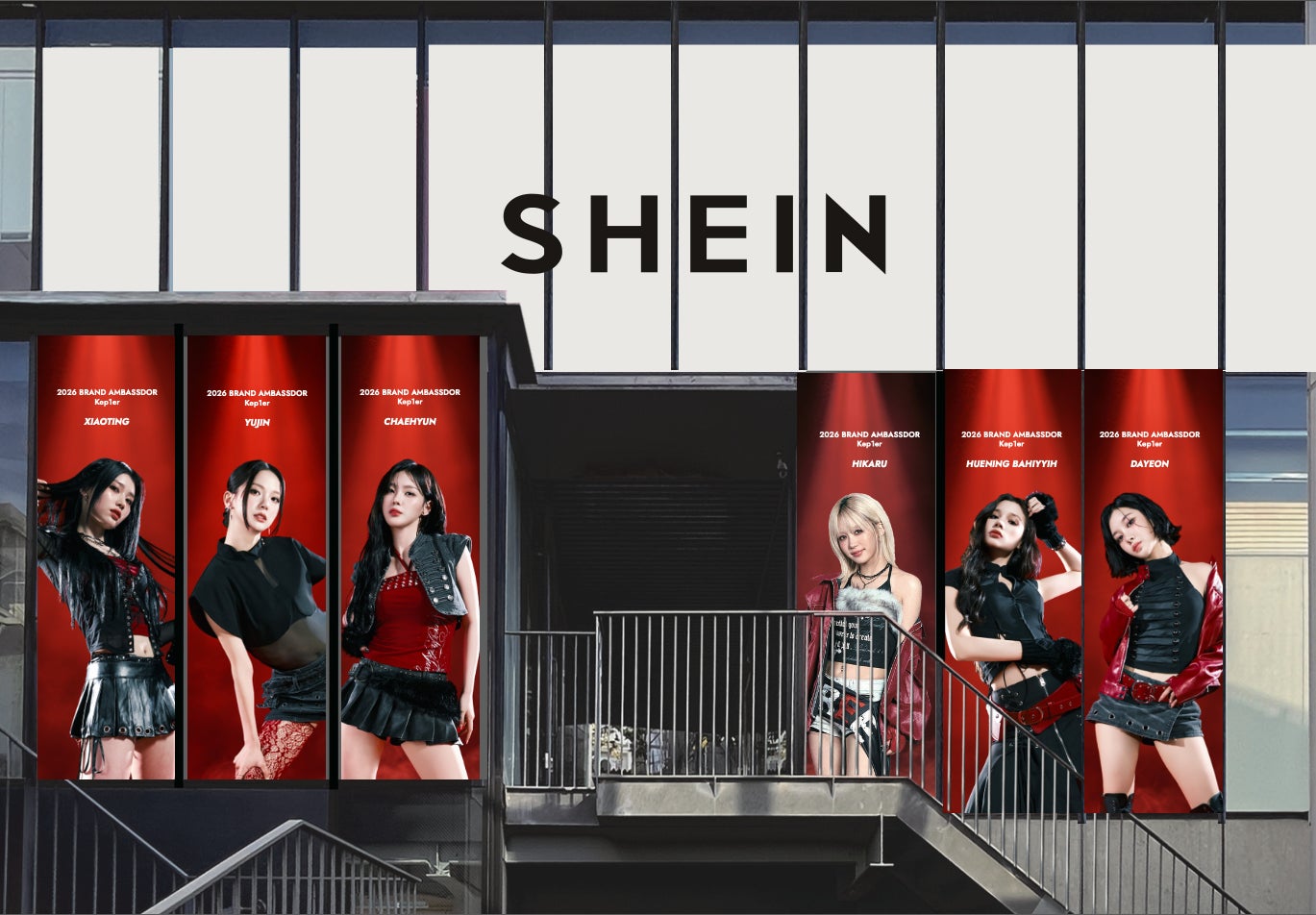
On November 11, SHEIN named the six-member girl group its 2026 brand ambassadors in Japan. The campaign, branded #SHEINxKep1er and framed around the idea of turning everyday life into a runway, introduces six promotional activities, according to the company's official announcement.
Kep1er emerged from the 2021 competition show Girls Planet 999 and debuted in 2022. The group's Japanese audience is especially relevant here: its 2025 EP Against the World reached No. 2 on Oricon's weekly album ranking, according to the SHEIN announcement.
Table of contents
Jump to each section:
- Kep1er makes three winter styles its own
- A three-city campaign expands beyond the screen
- The Harajuku showroom turns shopping into participation
- Why this fashion collaboration is built for fan participation
Kep1er makes three winter styles its own
Instead of giving every member the same visual treatment, the campaign uses three fashion directions: Coquette Core, Athleisure and Punk Rock. SHEIN's autumn/winter catalog features the members wearing different combinations from those categories, with product information available through the campaign site.
The approach gives shoppers a way to browse by aesthetic rather than simply copying a celebrity outfit. Coquette Core brings romantic details, Athleisure pairs sportier and dressier pieces, and Punk Rock adds a sharper streetwear look. Those are the styles SHEIN is presenting, not independently measured consumer trends.
Each category gives fans a different entry point into the same group campaign. The fashion looks become materials to explore, compare and share rather than a single endorsement image.
A three-city campaign expands beyond the screen
The company is also placing Kep1er on large advertising screens in Shibuya, Umeda and Shin-Okubo. The official plan calls for a short campaign commercial and key visuals across the three districts, making the partnership visible to people who may not encounter the fashion catalog online.
That physical presence matters because a K-pop partnership can be experienced in public as well as through a phone screen. A fan might discover an outdoor visual, visit the campaign site or go to the Harajuku activation, but the announcement does not establish how many people have done any of those things.

The Harajuku showroom turns shopping into participation
From November 12 through December 6, SHEIN's Tokyo showroom in Harajuku is scheduled to display outfits worn by the members, life-size panels and signed boards. It is a more specific destination than a regular retail display because the company is linking the room directly to a recognisable group.
The showroom promotion also offers limited photo cards to eligible visitors who complete an in-store visit, a tagged social post and a qualifying purchase. A separate message wall invites visitors to write what they would wear on a runway with Kep1er, with showroom-only gifts for participants.
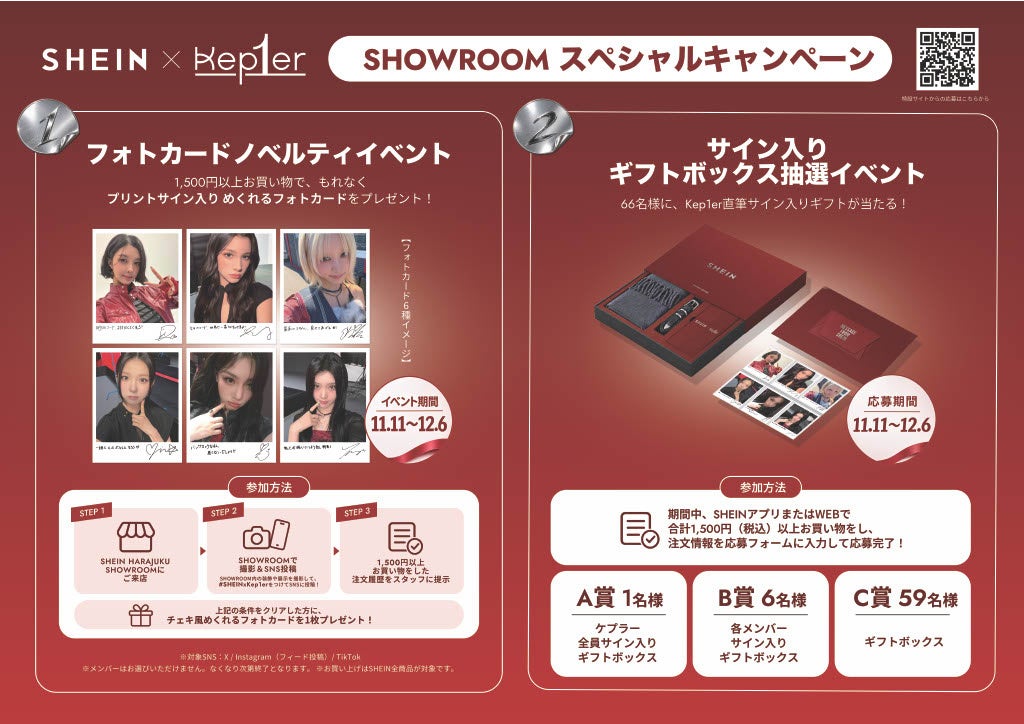
An additional drawing offers 66 gift boxes, including seven with member signatures. The company is using the chance to collect an item or display a fan message as a reason to do more than scroll past an advertisement. Availability and redemption conditions depend on the company's campaign rules.
Why this fashion collaboration is built for fan participation
SHEIN is combining several familiar K-pop partnership mechanics: distinctive member styling, merchandise-like rewards, public placements and an invitation to participate. The difference is how the activities lead back to a single campaign, rather than existing as disconnected promotional posts.
A useful comparison is BAPE's Stray Kids collaboration, which uses collectible accessories and an in-store experience to extend a fashion partnership beyond apparel. SHEIN's version puts more emphasis on styling categories, city advertising and low-friction showroom participation.
The marketing implication is practical: a celebrity endorsement has more ways to matter when the audience can do something with it. But the company has not reported this campaign's sales, traffic, redemption or engagement results, so its commercial effectiveness cannot yet be assessed.
Source: SHEIN's official November 11 announcement and campaign page.
