Slackbot just got smarter, and it wants to be your AI work assistant
Slack's new AI-powered Slackbot goes far beyond reminders and could reshape how teams work

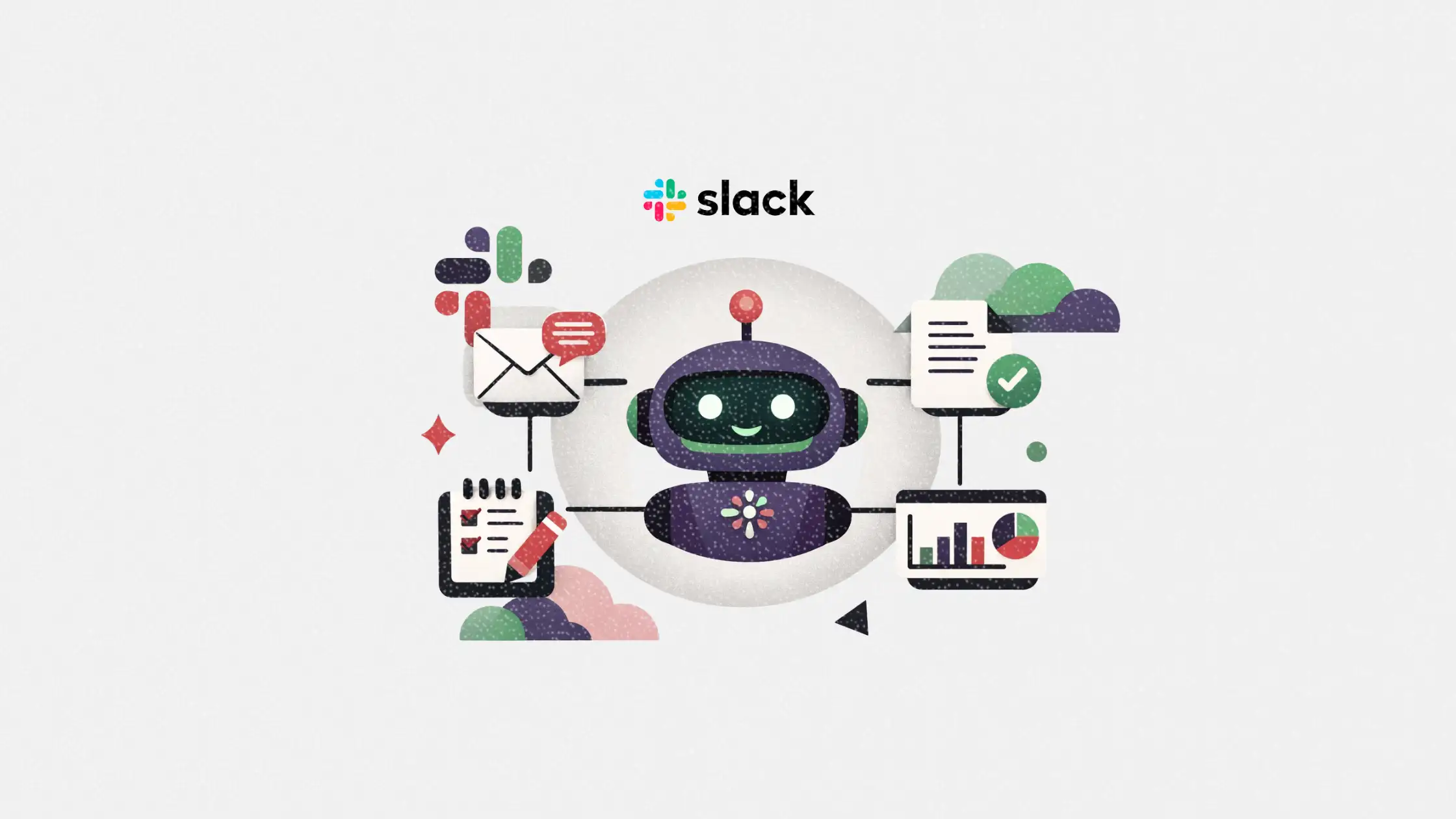
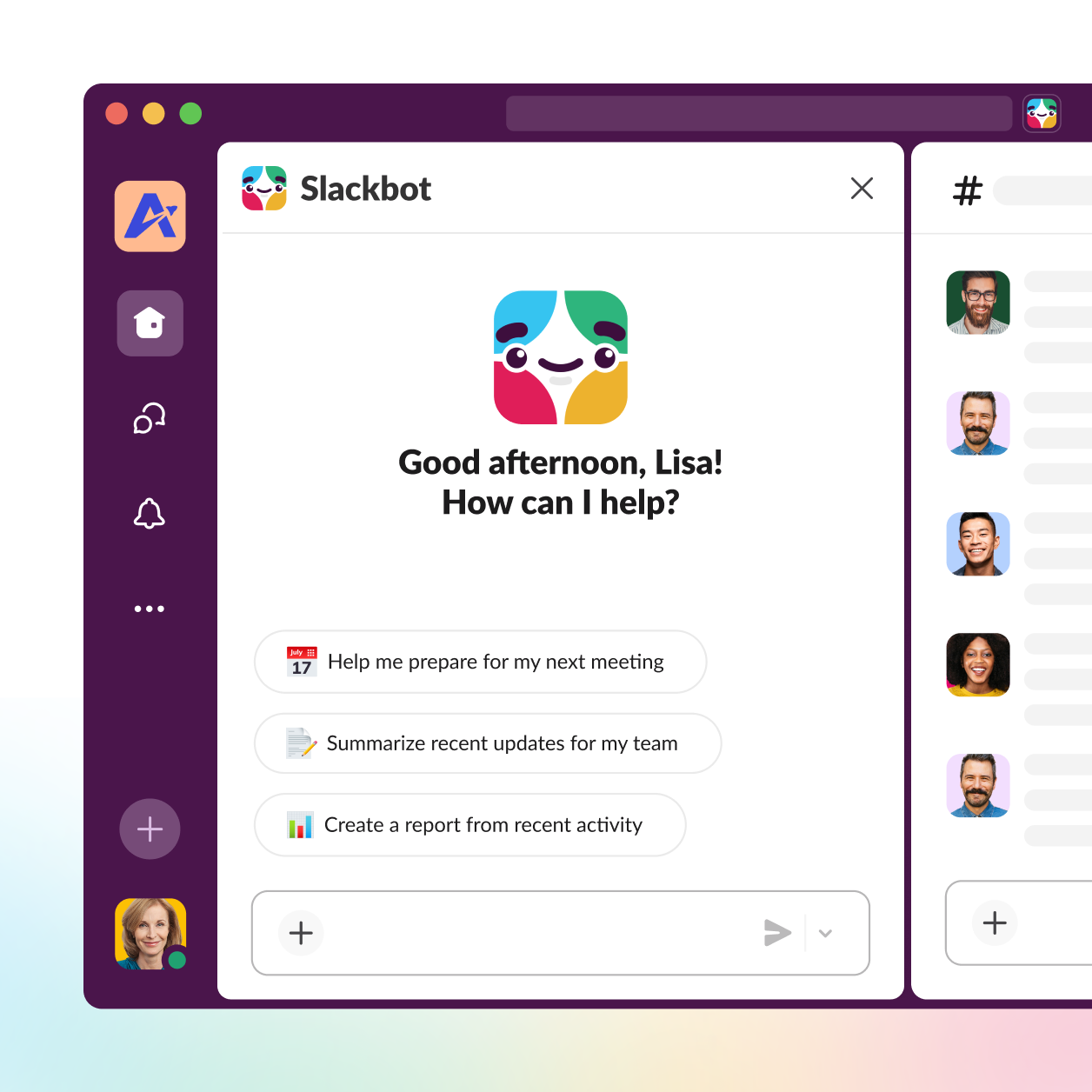
Salesforce has launched a reimagined version of Slackbot, transforming the longtime productivity sidekick into a full-fledged AI agent. Now available to Business+ and Enterprise+ Slack users, the new Slackbot goes well beyond task reminders and emoji replies. It can now draft emails, synthesize meetings, analyze files, and surface insights, all within Slack.
This article explores what’s new with Slackbot, why it matters for teams juggling multiple tools, and how marketers and enterprise teams can actually use it to stay ahead. It marks a significant step toward the "always-on AI teammate" vision tech giants are actively building toward, but with a Slack-native execution.
Short on time?
Here’s a table of contents for quick access:
 Patrecia Meliana
What's new with Slackbot
Unveiled during Salesforce’s Dreamforce event and now generally available, Slackbot’s AI revamp is designed to be a personal, always-available teammate that helps employees get work done, not just stay notified.
Here’s what the new Slackbot can do:
- Draft content in your voice: Whether it’s a customer email, internal briefing, or meeting prep notes, Slackbot can generate tailored drafts using context from your channels, documents, and past conversations.
- Search and summarize across platforms: Slackbot connects with external tools like Microsoft Teams, Google Drive, and enterprise search systems to pull relevant info, provided the right permissions are in place.
- Analyze complex documents: From PDF decks to call transcripts, Slackbot quickly parses large files and delivers contextual insights.
- Schedule meetings and suggest next steps: It reacts to real-time conversations and signals like shared files or calendars to recommend follow-up actions.
Slackbot only accesses what each user is authorized to see, maintaining strict data permissions and including citations for transparency. For teams handling sensitive projects, this enterprise-grade security is non-negotiable.
Why this AI agent matters now
Salesforce is going all-in on generative AI, and Slackbot is one of the company’s most important plays yet. While other enterprise tools integrate AI in piecemeal ways, Slackbot is designed to feel native, contextual, and proactive.
Salesforce CTO Parker Harris said Slackbot was the most adopted internal tool they’ve released, calling it a “super agent” built for employees. Instead of adding a new tool on top of Slack, this AI layer is fully integrated. That could drive faster adoption and more measurable impact on productivity.
Unlike most AI copilots that still require context input from the user, Slackbot starts with your existing messages, files, and workflows. That’s a key differentiator.
What marketers and teams should know
Slackbot could be a force multiplier for marketers, project managers, and cross-functional teams who rely on Slack to manage priorities and communication.
1. Context is its secret weapon
Because it’s already inside Slack, Slackbot knows the language of your team, your ongoing projects, and the flow of decision-making. This makes it especially valuable for marketing teams managing approvals, content calendars, and cross-team feedback.
2. It helps eliminate the blank page
Slackbot generates first drafts that mirror your tone and structure, pulling insights from actual Slack threads and documents. This feature could reduce hours spent on campaign briefs, customer emails, and internal updates.
3. Real-time insights with less switching
Whether you’re prepping for a meeting or trying to catch up on a long channel thread, Slackbot synthesizes key points and next steps. It reduces the need to bounce between tools, tabs, or documents to get clarity.
4. Built-in compliance and transparency
Slackbot honors role-based permissions and provides clear citations for its outputs. This reduces the risk of accidental data exposure and keeps content grounded in real inputs — not generative guesses.
Salesforce isn’t stopping here. Voice interactions and browser capabilities are on the roadmap. Over time, Slackbot will also act as the interface between users and third-party agents across the organization. If it works as intended, you’ll no longer need to know which tool or AI agent to use. You’ll just ask Slackbot, and it will route the task accordingly.
This launch signals more than a product update. It reflects Salesforce’s bet on context-rich, user-friendly AI as the next layer of workplace infrastructure. And if Slackbot really is as widely adopted internally as the company claims, marketers might want to take it seriously — not just as a gimmick, but as a shift in how work gets done.