Spotify’s Prompted Playlists land in North America
Spotify brings its AI playlist creator to Premium users in the U.S. and Canada.

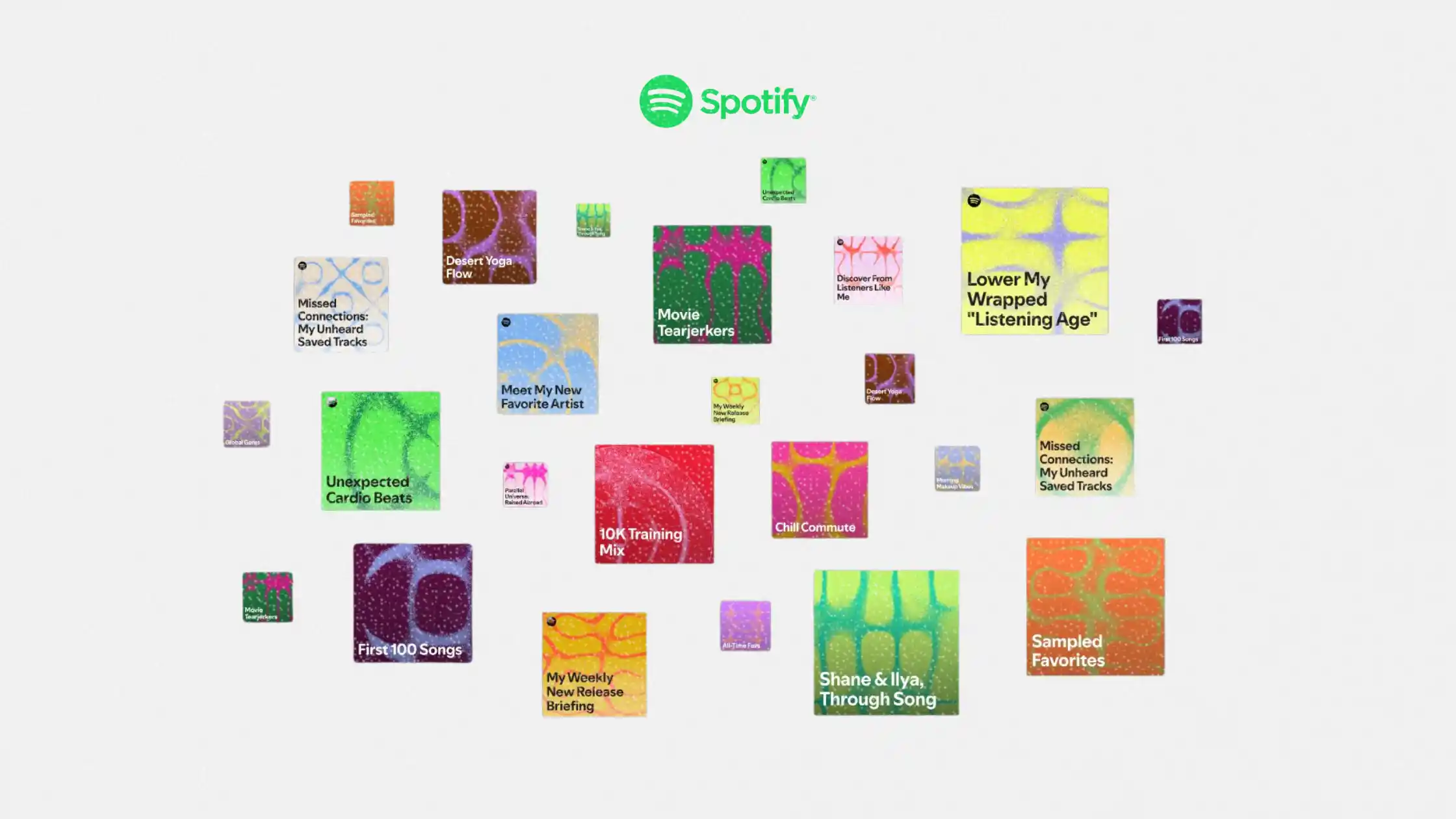
Spotify is turning up the volume on its AI strategy with the North American launch of Prompted Playlists, a conversational music discovery tool now rolling out to Premium users in the U.S. and Canada.
After debuting the feature in New Zealand in late 2025, Spotify is using these larger markets to pressure-test how well AI can scale personal music curation. The twist? Users don’t need to know artists, genres, or any music lingo to generate a playlist. They just describe what they want to hear, in their own words.
This article explores how Prompted Playlists work, what makes them different from past AI features, and why this shift in user interaction could impact brand storytelling, mood-based advertising, and even content partnerships.
Short on time?
Here is a table of content for quick access:
- What’s new: conversational AI for playlists
- Why it matters: personalization becomes collaborative
- What marketers should know
 Patrecia Meliana
What's new: conversational AI for playlists
Prompted Playlists is Spotify’s latest AI experiment that gives users creative control over playlist building using natural language. Think: “songs that feel like a slow Sunday morning” or “tracks that sound like a summer road trip with old friends and new flings.”
Unlike the company’s previous AI playlist feature, which responded to simple, theme-based inputs (like “focus music” or “pump-up songs”), the new tool supports more nuanced and conversational prompts, like asking for lesser-known artists, catalog deep-dives, or mood shifts tied to memories or pop culture.
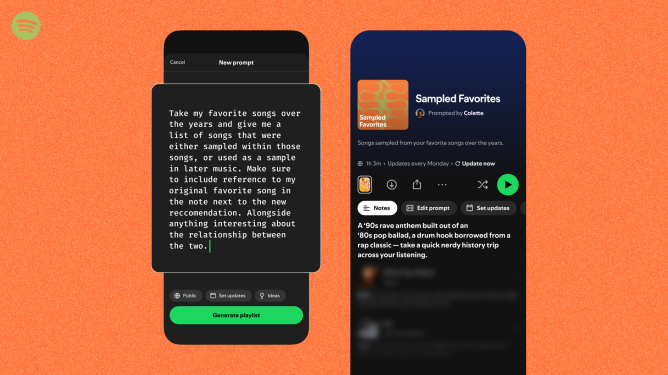
Behind the scenes, the AI considers a user’s entire listening history, real-time music trends, and even editorial input from Spotify’s human curators. The result is a playlist that not only reflects the user’s current mood but also evolves with their behavior over time.
Importantly, users can choose whether the playlist should reflect their history or help them discover something completely new. That’s a key option for breaking echo chambers and algorithm fatigue.
Why it matters: personalization becomes collaborative
Prompted Playlists marks a shift from passive recommendation to collaborative curation. Instead of Spotify guessing what you want, users now guide the AI with specific ideas, scenarios, or emotional states.
This shift matters for two reasons:
- Control and creativity are moving into users’ hands
It’s now easier to build playlists without deep music knowledge, which could democratize curation across less tech-savvy or genre-aware audiences.
- Spotify is reshaping how people interact with its algorithm
The platform is reframing AI from a black box into a creative partner. That could influence how audiences view AI in other parts of their digital lives, including advertising, media recommendations, and branded content.
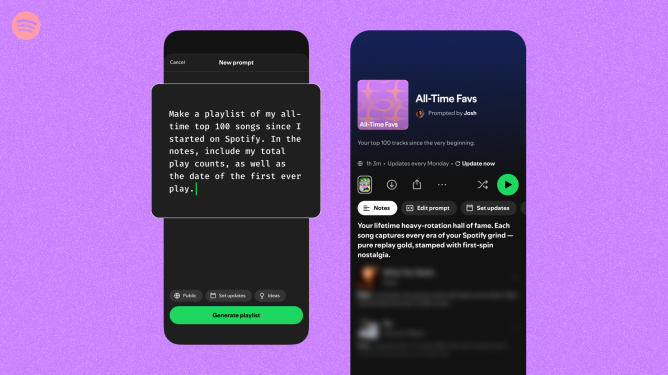
While the feature is still in beta, usage is expected to grow as Spotify introduces prompt ideas from its editorial team and culture experts directly on users’ home screens.
What marketers should know
Here’s how Prompted Playlists could reshape content strategy and audience behavior:
1. Playlists as a new content format
With prompts being shareable and results personalized per user, Spotify just introduced a low-friction way to create UGC-style playlists with viral potential. Marketers could experiment with prompt-based campaigns like “soundtrack your Q1 energy” or “music for marketers who survived budget season.”
2. More granular mood targeting
If users are now curating playlists around micro-moods or cultural references, brands may gain access to deeper intent signals. These are valuable for contextual targeting in audio ads. Spotify’s AI could soon help advertisers match campaigns to specific emotional states, not just demographics.
3. AI literacy becomes a UX advantage
By removing the need for technical or musical vocabulary, Spotify is lowering the barrier for engaging with AI. This is a lesson for brands designing AI tools. Focus on how people speak, not how tech works. Conversational AI is the bridge between automation and user ownership.
4. Potential for branded prompt templates
Spotify’s editorial team is already creating sample prompts. Imagine if brands could partner to create branded prompt templates. For example, a travel brand might sponsor “music for long-haul flights with a dash of wanderlust.” These would tie emotional moments to brand associations, without disrupting the experience.
Spotify’s Prompted Playlists may seem like a small UX update, but it signals something bigger. AI isn’t replacing creativity here. It’s unlocking it, especially for everyday users who don’t know where to start.
For marketers, the opportunity lies in understanding how people are using these tools to shape their experiences, and how brands can play a role without breaking the spell of personalization. The next wave of music marketing won’t be about ads that interrupt playlists. It’ll be about inviting users into the storytelling process itself.