
Spotify tests AI-driven Prompted Playlists
Spotify is piloting a playlist tool that puts user prompts in charge. Here’s why that matters for personalized marketing

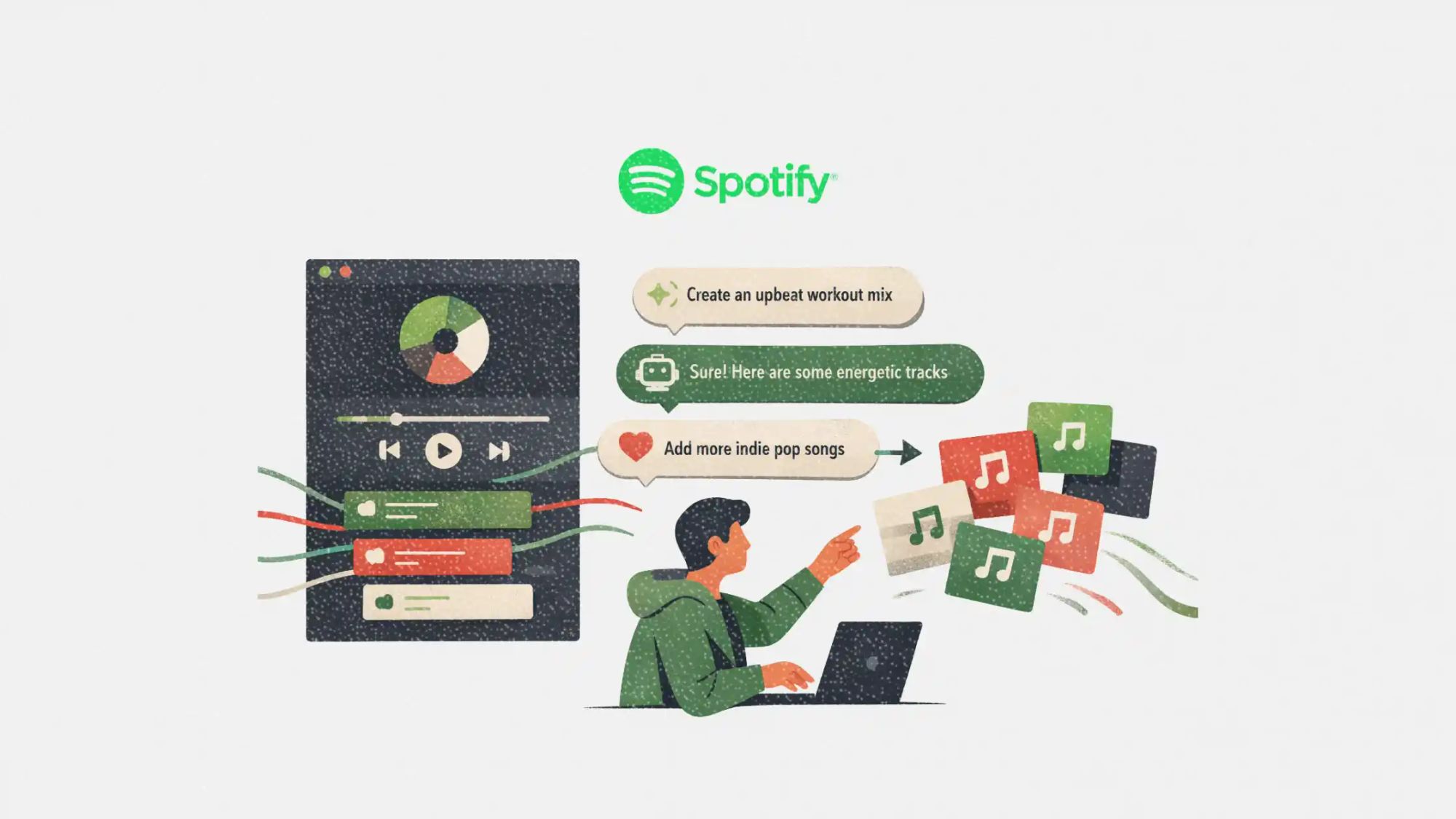
Spotify is testing a new way for users to steer the algorithm, and it's a notable moment for digital personalization. Dubbed “Prompted Playlists,” the feature is now in beta for Premium users in New Zealand, with plans to expand.
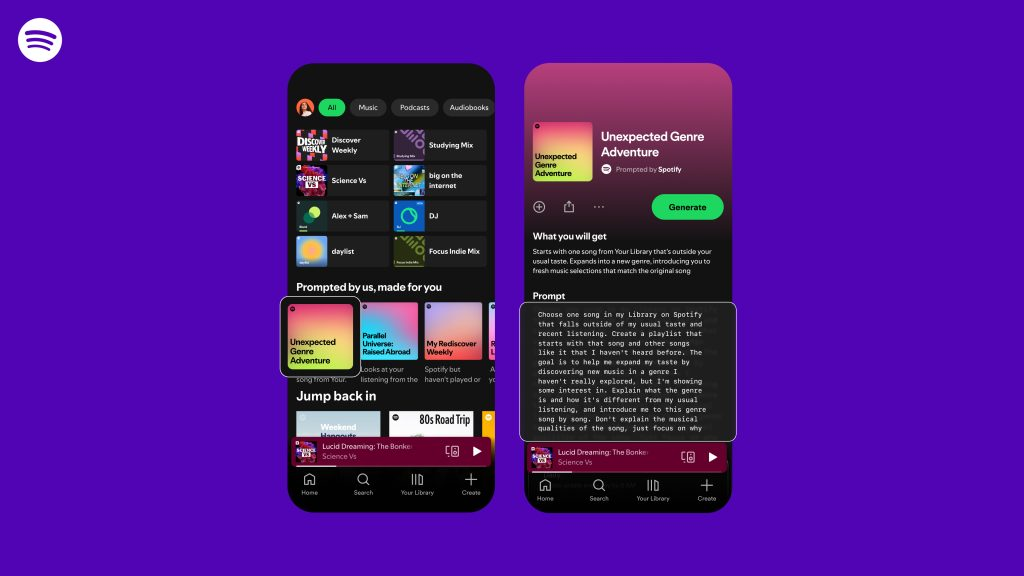
This article explores how Spotify's Prompted Playlists work, why they matter for personalization, and what marketers should consider as platforms give users more control over what they see and hear.
Short on time?
Here is a table of content for quick access:
- What is Spotify's Prompted Playlists feature?
- A bigger shift toward user-led algorithms
- What marketers should know
 Patrecia Meliana
What is Spotify's Prompted Playlists feature?
Prompted Playlists is the next iteration of Spotify’s AI-powered listening experience. Unlike traditional algorithmic playlists like Discover Weekly, this feature lets users guide the playlist with written prompts that can be as specific or broad as they like.
The playlist generation taps into a user’s entire listening history, not just recent activity. That allows for deeper personalization that reflects a listener’s full taste profile. Spotify’s AI then builds a playlist using both internal signals and external world knowledge.
Listeners can prompt the AI with something like:
- “High-energy pop and hip-hop for a 30-minute 5K run, then mellow tracks to cool down”
- “Music from my top artists over the last five years, but only deep cuts I haven’t heard yet”
- “Songs from this year’s biggest movies and shows that match my taste”
Spotify also lets users control how often the playlist refreshes, such as daily or weekly. Each track includes a description explaining why it was selected, offering greater transparency into how the playlist came together.
A bigger shift toward user-led algorithms
This update is part of a growing trend in tech: putting more algorithmic control in the hands of users. Instead of passively recommending content, Spotify now lets listeners co-create the experience using their own words and logic.
Instagram recently added features to shape what Reels users see. Bluesky allows users to choose their preferred algorithm entirely. With Prompted Playlists, Spotify is joining that movement and pushing personalization further.
According to Spotify’s Co-President, CPO, and CTO Gustav Söderström, this marks a new era where Spotify doesn’t just learn from users but actively listens to them. That framing signals a shift in how platforms define personalization—from passive tracking to interactive customization.
What marketers should know
Spotify’s Prompted Playlists are more than a fun feature. They signal strategic changes in how content discovery works and how artists or brands can surface in front of the right listeners. Here’s what marketers should take away:
1. Personalized discovery is becoming more user-directed
Marketers have long relied on curated playlists to surface music or branded audio content. With Prompted Playlists, there’s a shift from platform-led recommendations to user-defined preferences. That makes content harder to place broadly but opens new targeting angles based on moods, activities, or cultural trends.
Strategy tip: Encourage fans or listeners to create their own playlists using prompts tied to your brand, campaign, or music. Think along the lines of “songs that match our winter campaign vibe” or “soundtrack for late-night coding with our app.”
2. Back catalog exposure could rise
Spotify’s emphasis on listening history and "deep cuts" gives older tracks a shot at new life. If users ask for music from past years or lesser-known songs from top artists, well-tagged content could get pulled into relevant playlists.
Strategy tip: Revisit how older tracks or catalog items are tagged. Highlight moods, genres, or themes that match likely prompts so your content remains discoverable.
3. Metadata is the new frontline
Because Spotify now explains why a song is recommended, metadata plays a bigger role in how a track is interpreted by AI. Descriptive, rich data tied to context or cultural relevance can influence inclusion.
Strategy tip: Work with distributors or artist teams to ensure track metadata includes key signals like mood, era, genre, or popular use cases (e.g., workout, chill, soundtrack).
4. Prompt culture is becoming its own ecosystem
Prompt engineering is no longer just for ChatGPT. As users learn how to phrase inputs to get better playlists, brands may start experimenting with their own prompt strategies for music campaigns, content launches, or even events.
Strategy tip: Build campaigns around suggested prompts. For example, “Type this into Spotify: upbeat electronic tracks for a rainy Monday” and drive UGC through those responses.
Prompted Playlists represent a notable shift in how platforms think about personalization. It's not just about predicting what a user wants. It's about letting them tell the platform directly, then fine-tuning the result.
For marketers, the takeaway is simple: personalization is becoming a dialogue, not just data analysis. Brands that find creative ways to join that conversation—through prompts, metadata, or campaign tie-ins—will have an edge in this new, AI-curated landscape.