Practical tax strategies for marketers investing in real estate: how cost segregation boosts ROI
Why more marketers are turning to real estate and how smarter tax planning increases returns

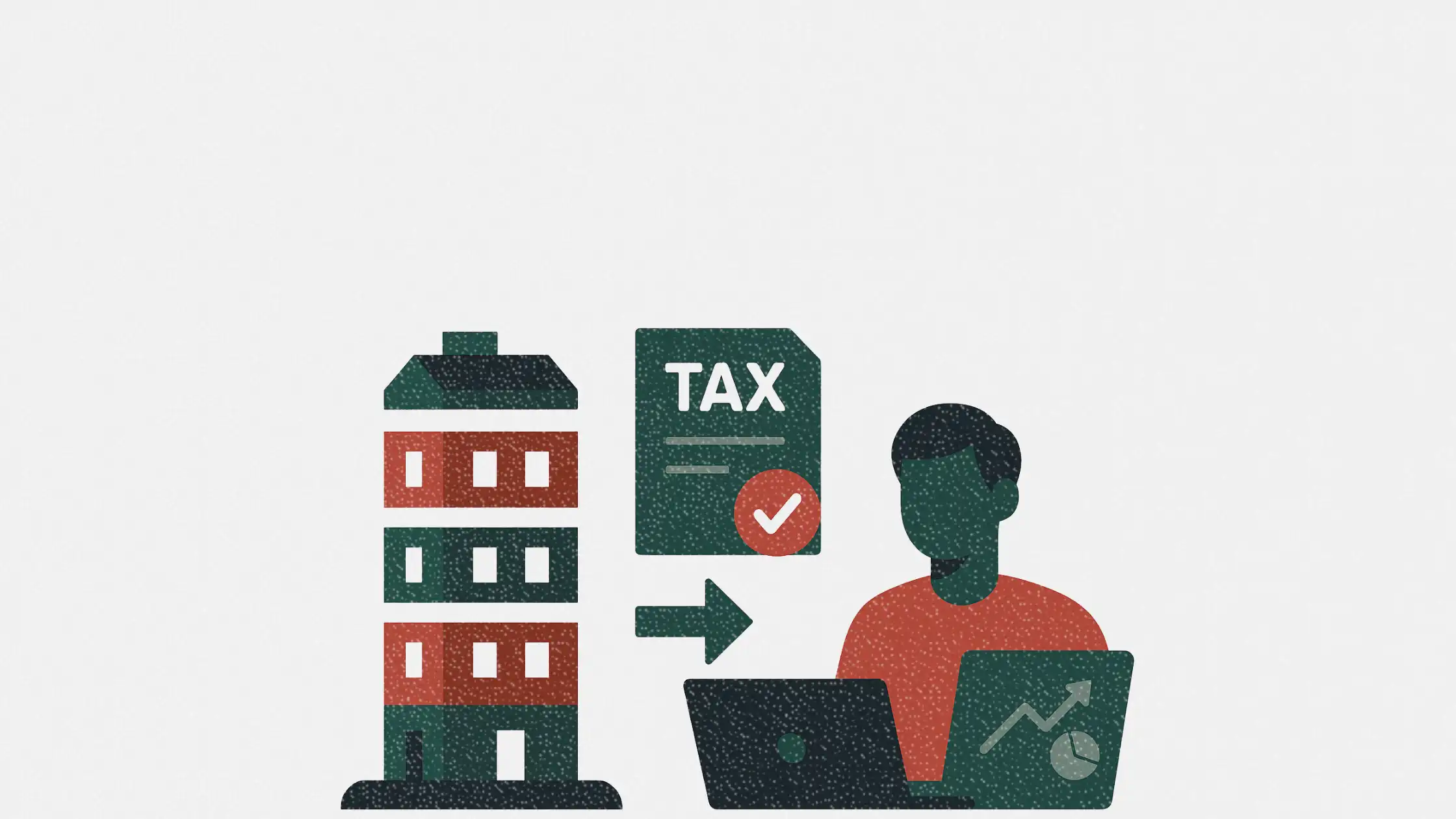
More marketers are investing in real estate than ever before—and not just for passive income. With the right tax strategies, investing in real estate can directly reduce your tax liability and dramatically improve ROI. Among the most effective tools? Cost segregation.
With income volatility increasing, many freelance marketers, agency owners, and CMOs are looking to diversify their earnings. Real estate offers monthly cash flow, long-term appreciation, and serious tax advantages—especially in uncertain markets.
In 2024 alone, small investors (those with fewer than 10 properties) bought 59.2% of homes acquired by investors, a record high. Marketers are increasingly joining these ranks, viewing real estate as a hedge against slow quarters and shifting budgets.
Short on time?
Here is a table of content for quick access:
Depreciation: the tax deduction you might be missing
One of the biggest tax perks in real estate is depreciation. It allows you to deduct the wear-and-tear value of a property over time, even as that property appreciates. For residential real estate, the IRS assigns a 27.5-year schedule; for commercial, it's 39 years.
But here’s the kicker: by default, you depreciate the entire building slowly over decades. That’s where cost segregation comes in.
What is cost segregation?
Cost segregation is a method that breaks a property into components (like lighting, flooring, landscaping) that depreciate faster than the building itself. These are often categorized into 5, 7, or 15-year lifespans, allowing you to accelerate depreciation and save on taxes earlier.
The result? More deductions in the early years of ownership—which means more cash flow and faster ROI.
How much can it save you?
Depending on your property type and tax bracket, a cost segregation study can reclassify 15% to 45% of your building into faster-depreciating assets. For example:
- A $1 million property might yield $30,000 to $90,000 in immediate cash flow through accelerated deductions.
- A $5 million office building could deliver $500,000+ in tax savings over five years.
- Even a $350,000 renovation could result in a $157,500 first-year depreciation deduction.
Working with a specialized provider like R.E. Cost Seg can help ensure you're identifying all eligible assets and structuring the study for maximum benefit.
What to avoid
- Waiting too long: Ideally, do a cost segregation study the year you buy or renovate. Retroactive studies are possible, but less impactful.
- Assuming it’s only for big investors: Even properties under $500K can qualify.
- Fearing depreciation recapture: Yes, you'll pay some tax when selling, but upfront savings typically outweigh it.
- Relying solely on your general accountant: Not all CPAs specialize in real estate tax.
Final checklist before you invest
- Are you purchasing or renovating a property?
- Are you in a high tax bracket?
- Do you want to increase short-term cash flow or reduce taxes?
If you answered yes to any of these, cost segregation—and the right partner—could make a major impact.