
Isla and YPF’s “Thank You, Messi” film uses AI to honour Lionel Messi
Isla and YPF’s film thanks Lionel Messi with a single message, using in-house AI production to streamline craft while keeping the emotion central.


Isla and YPF are tapping into a very specific kind of national emotion: the post-World Cup feeling where a sports icon stops being “just” a player and becomes a shared memory people carry around.
Isla and YPF "Thank You Messi" film campaign
For Argentinians who watched Lionel Messi finally lift the World Cup as captain, gratitude is not abstract. It is personal, generational, and tied to a long arc of hope. That context is what makes a campaign built around a single phrase, “thank you,” feel like it can land without needing to over-explain itself.
Table of contents
Jump to each section:
- Why “thank you” is the whole point of the tribute
- What Isla and YPF actually made
- Why producing the film entirely with AI is the real marketing signal
- What marketers should know about AI-made tribute storytelling
Why “thank you” is the whole point of the tribute
There is a reason the message is intentionally simple. Isla’s creative leadership frames it as a situation where adjectives fall short, because nothing can fully “sum up” a career like Messi’s.
Instead, the emotional logic is: do not try to add bigger language, just acknowledge what people already feel. The film’s closing line leans into that, thanking Messi for making “Leo’s dream, and the dream of every Argentine,” come true.
 ContentGrip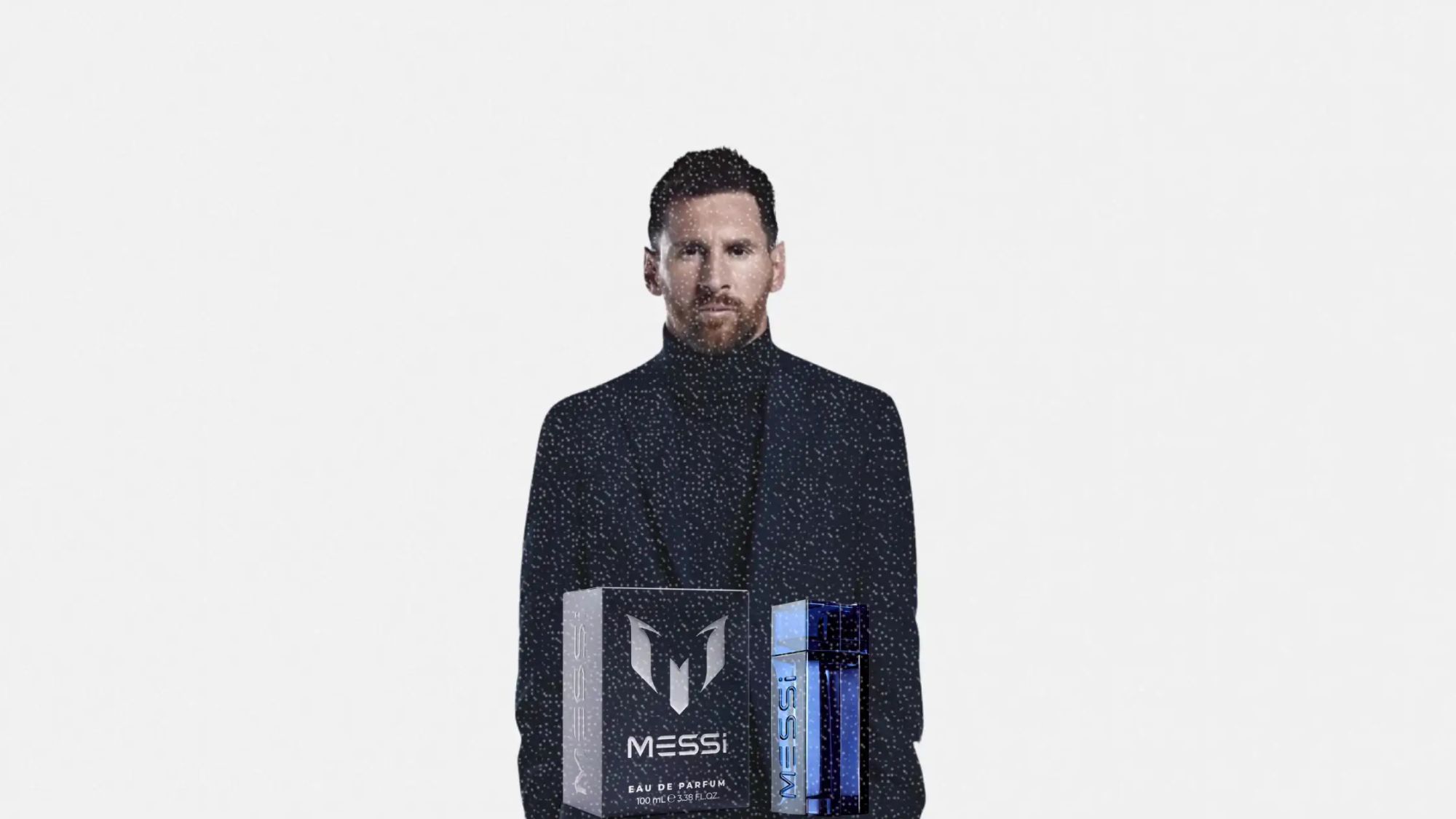
What Isla and YPF actually made
The campaign is a film created by Isla Buenos Aires for Argentinian energy company YPF as a tribute to Lionel Messi and what his career has meant to millions of Argentinians.
YPF positions Messi as a brand ambassador, with YPF’s Agustina Pelfini describing the piece as another tribute to someone the brand views as part of world football heritage. The intent is not to argue Messi’s greatness, but to reflect collective gratitude from the people who lived the moment.
Why producing the film entirely with AI is the real marketing signal
The notable production detail is that the film was produced entirely using artificial intelligence, and created in-house. Isla’s co-founder Rodrigo Grau describes the goal as showing how AI can open new creative possibilities and streamline processes, while still preserving the craft that connects with people.
That framing matters because it places AI as a production method, not the story. In a tribute context, the audience’s bar is emotional authenticity first. So the strategic bet is that AI can sit behind the scenes, enabling speed and new visuals, without becoming the headline inside the film itself.
What marketers should know about AI-made tribute storytelling
AI production is getting normalized fastest in formats where people already accept “crafted” emotion, as long as the cultural moment feels real.
- Keep the emotion human, even if the production is not
The campaign centres on gratitude, not technical novelty. That helps protect the piece from feeling like a demo. - Minimal messaging can be a creative decision, not a lack of strategy
“Thank you” works because the audience already knows the full story. The film does not need to convince them. - In-house AI is as much an operations play as a creative one
Isla’s emphasis on producing entirely in-house points to AI as a way to streamline production, not just generate visuals. - Brand ambassador storytelling works best when it mirrors fan language
The line about fulfilling a national dream is how supporters talk about that World Cup run, which is why it reads as tribute rather than ad copy.
Campaigns like this suggest a near-future where “AI-made” stops being the differentiator. The differentiator becomes whether the creative team understands what the community is actually feeling.
In other words, AI can help you make more work. It cannot tell you which moment is sacred to an audience, or which words will sound true when people repeat them to each other.