Glitches during TikTok's big US pivot
TikTok’s data outage comes just as it unveils its US entity. Here’s what marketers should track.

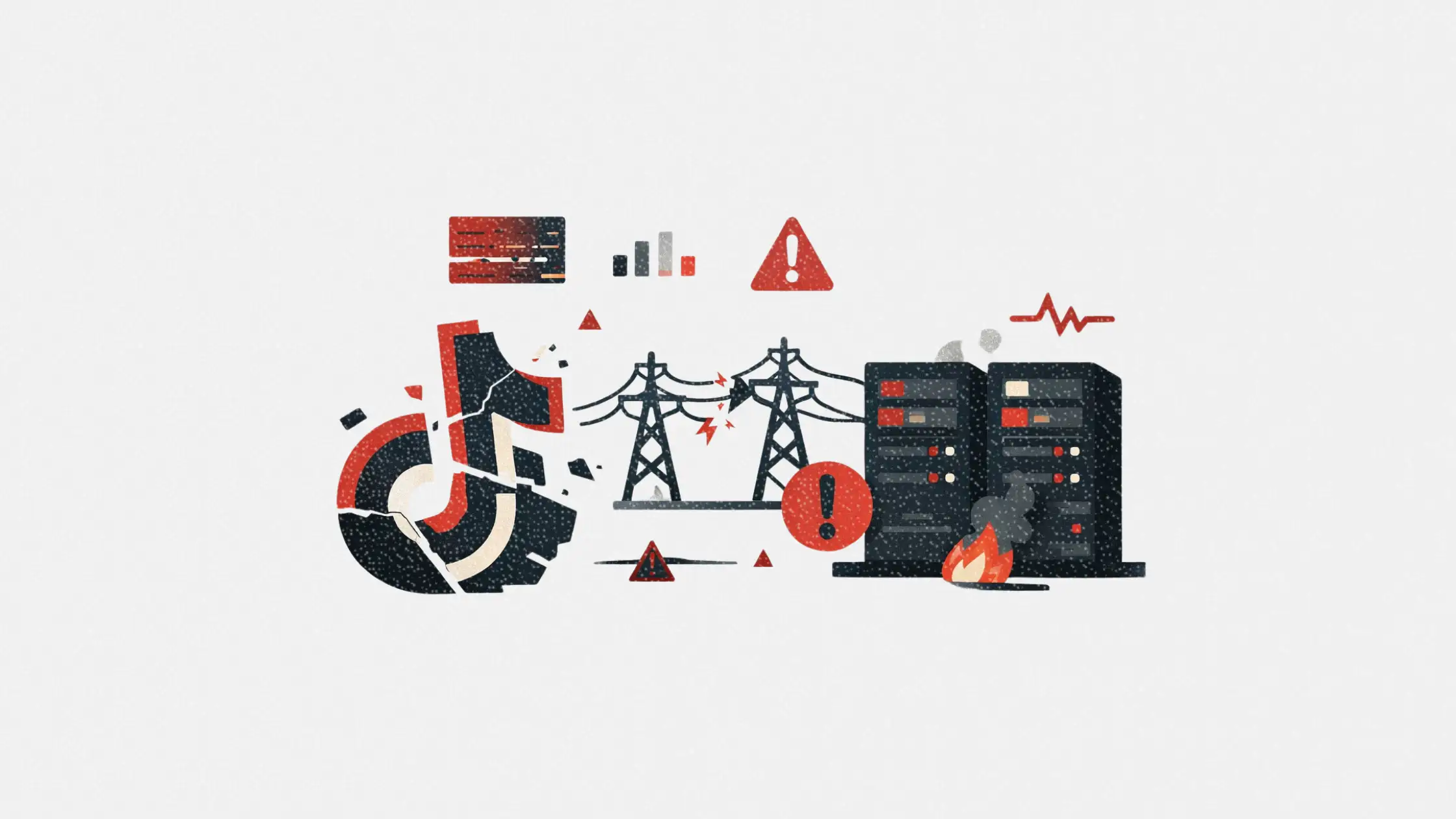
TikTok is still recovering from a major infrastructure glitch, just days after announcing a critical step in its US restructuring. The platform's newly formed US entity, part of its effort to sidestep a nationwide ban, was quickly met with platform-wide bugs tied to a data center outage.
For brands and creators relying on TikTok as a key engagement channel, this is not just about technical downtime. It is a test of platform risk, user trust, and operational resilience.
This article explores what went wrong, why the timing matters, and what marketers should keep an eye on as TikTok works to stabilize.
Short on time?
Here is a table of content for quick access:
 Patrecia Meliana
What happened?
Following TikTok’s announcement of a US joint venture involving American investors, the platform began experiencing wide-ranging issues for US users. These included broken search functionality, failed content uploads, inconsistent algorithmic behavior, and disappearing engagement metrics for creators.
TikTok attributed the problems to a power outage at a US data center that services both TikTok and other apps. The company has not disclosed the data center partner involved. However, a major winter storm had just swept across the country, affecting over 220 million Americans and likely straining infrastructure.
As of Monday, TikTok’s newly created USDS Joint Venture said it had made “significant progress” in restoring services.
We've made significant progress in recovering our U.S. infrastructure with our U.S. data center partner. However, the U.S. user experience may still have some technical issues, including when posting new content. We're committed to bringing TikTok back to its full capacity as…
— TikTok USDS Joint Venture (@tiktokusdsjv) January 27, 2026
However, technical issues persist, especially around posting new content. TikTok also warned that creators may continue seeing zero views or missing earnings due to server timeouts, while reassuring users that “your actual data and engagement are safe.”
An update on our work to restore and stabilize TikTok. pic.twitter.com/PZzsuFeZmj
— TikTok USDS Joint Venture (@tiktokusdsjv) January 26, 2026
Why the timing raises eyebrows
The outage coincided with TikTok’s transition to a US-led entity, a politically sensitive move designed to show operational separation from China-based ByteDance. TikTok insists the two events are unrelated, but the overlap has led some users to question the platform’s transparency.
The glitches also surfaced as civil unrest escalated over the death of a US citizen at the hands of ICE agents.
As tensions rose, social platforms like TikTok came under more scrutiny. Whether purely technical or not, the outage amplified concerns about TikTok's stability during a high-stakes period.
What marketers should know
For marketers and creators who rely on TikTok to reach US audiences, this glitch is a reminder of how fragile platform access can be. Here is what to watch:
1. Platform risk is no longer theoretical
TikTok’s reach is massive, but this event highlights how fast that reach can become compromised. Brands that rely heavily on TikTok should revisit their platform strategy and ensure they are not over-indexed on a single channel.
2. Creator metrics may be unreliable
If you are tracking influencer campaigns or organic performance this week, expect anomalies. Zero views, stalled metrics, and missing earnings are likely tied to timeouts, not audience behavior. Flag this in reporting to avoid misinterpretation.
3. Comms teams need contingency messaging
A glitch at this scale affects brand and creator trust. If your brand is active on TikTok, consider messaging that addresses outages and clarifies performance impacts. Stay ahead of confusion by showing your team is aware and responsive.
4. Transparency still matters
TikTok has not shared details about the data center partner or when full service will resume. For marketers, this opacity is worth noting. If platform partners are not clear during a crisis, it becomes harder to manage risk and trust long term.
TikTok says it is working to bring the platform back to full capacity “as soon as possible.” The bigger question is whether its new US structure will ultimately improve reliability or simply shift where the risks come from.
Marketers should stay alert and build flexibility into their strategies. The infrastructure behind social media may be invisible, but as this incident shows, it is foundational to engagement, revenue, and brand presence.