
Minnesota Timberwolves turn 30 seconds into a Real Loud fan tribute
The Timberwolves' Real Loud film puts Minneapolis fans, players and local businesses at the heart of a new team identity.


Basketball teams can buy airtime, but they cannot manufacture the feeling of a city finding its voice at a home game. That is the emotion behind the Minnesota Timberwolves and their latest campaign, which puts the people and personality of Wolves basketball in the spotlight.
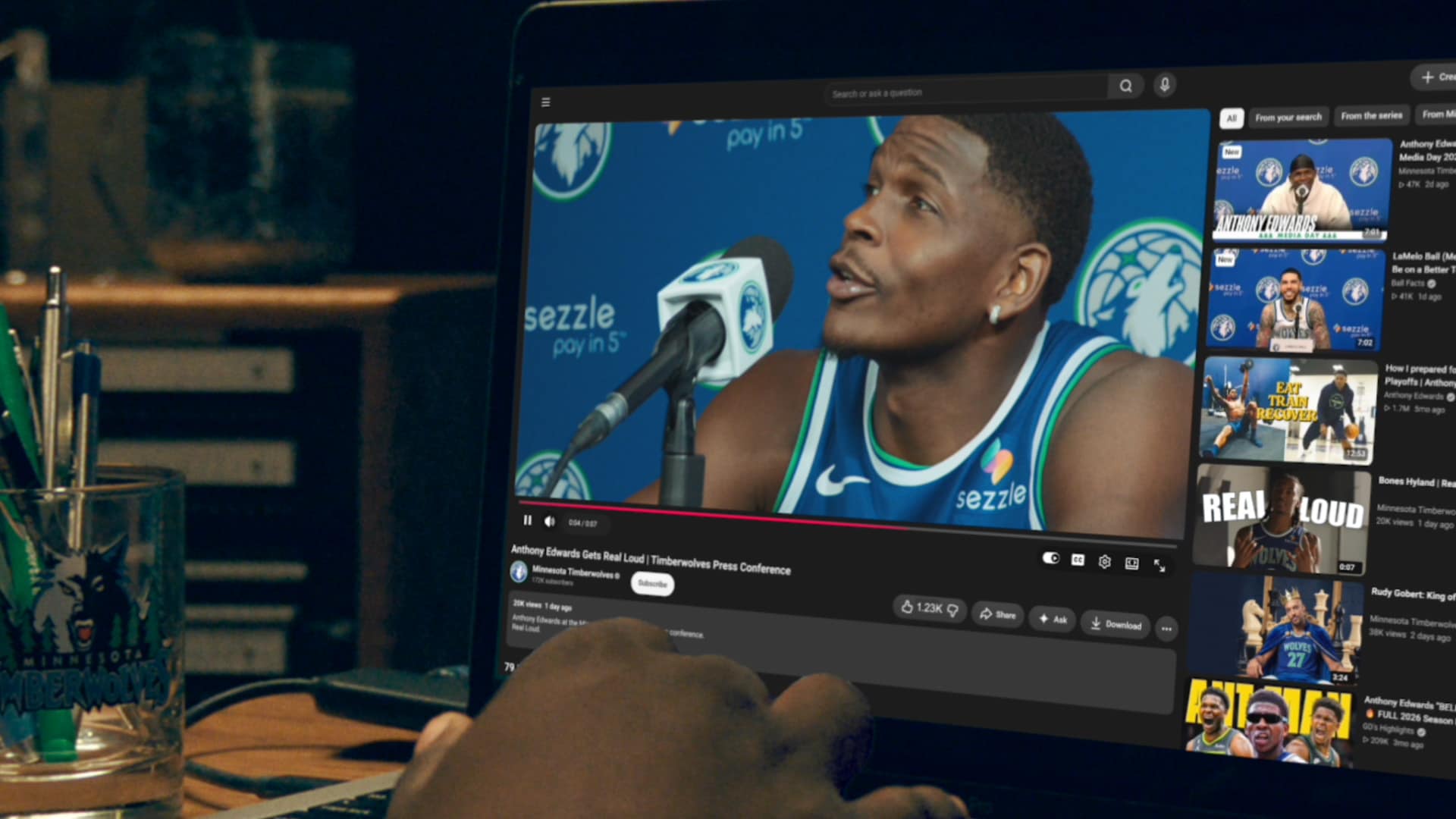
The team has introduced Real Loud, a brand platform built around the players, local community and shared energy of the Twin Cities. Its official 30-second campaign video, titled Comes Back Louder in the production credits, turns that idea into a brief film rather than an explanation of basketball statistics.
Table of contents
Jump to each section:
- How Real Loud brings Minneapolis into the film
- Why the Wolves are putting community first
- How this differs from an athlete endorsement
- What marketers can learn from the Real Loud play
How Real Loud brings Minneapolis into the film
The campaign was developed internally by the Timberwolves, with FIN Studios producing the 30-second film under creative director Damien Nemire-Pepe and director Blaize Fobbe. Anthony Edwards, Rudy Gobert and Jaden McDaniels are among the recognizable basketball faces highlighted in the creative, alongside other on-screen talent.
There is a distinctly local ingredient, too. The production involved neighborhood businesses, theaters and print shops in Minneapolis, bringing actual places and people from the Twin Cities into a story about the team. That makes the city more than scenery: it is part of the campaign's reason to exist.
The creative follows a period that the team describes as five consecutive playoff appearances and back-to-back trips to the Western Conference Finals. Those results explain why there is renewed attention around the franchise, but the ad itself is interested in the atmosphere that surrounds the games, not a highlight reel of achievements.

Why the Wolves are putting community first
A basketball fan does not need a campaign to tell them what a loud arena feels like. What a campaign can do is give that shared feeling a name, then connect it to the players and neighborhoods that make it recognizable. Real Loud tries to give supporters that sense of ownership without treating them as an audience outside the story.
Bailey Wallner, the Timberwolves' vice president of marketing, described the moment in terms of the team and its community: “We are in the midst of a defining era for Timberwolves basketball, and Real Loud captures the immense energy surrounding this team.”
The approach is also an evolution in the team's own brand language. An earlier Timberwolves campaign, Bring the Nice, played with the region's reputation for being friendly and understated. Real Loud leans toward a different expression of local identity: the confidence and volume of a basketball city enjoying its moment.
The distinction matters because sports fandom is not just an allegiance to a roster. It also lives in the places people go, the people they attend games with and the memories they attach to a season. A campaign rooted in those experiences can tell a team story that goes beyond a single star or one game result.
How this differs from an athlete endorsement
Anthony Edwards is familiar territory for brand marketers. Earlier in October, he appeared alongside Nikola Jokić in Sprite's global basketball campaign, which connected NBA personalities to collectible packaging and fan experiences. That effort gave a beverage brand a way into basketball culture.
Real Loud reverses the direction. Rather than borrowing the cultural reach of an athlete to sell another category, the Timberwolves use the people around their own franchise to explain what belonging to that team looks and sounds like.
That distinction also separates the campaign from standard sports advertising, which can lean heavily on trophies, athletic feats and superstar close-ups. Real Loud still has recognizable players, but the public-facing creative and the people who made it give the Twin Cities a significant share of the frame.
It is too early to call this a commercial win. No verified figures for campaign reach, paid media spending or sales effects have been disclosed. The supported claim is narrower: the team has chosen community identity as the lead creative idea.
What marketers can learn from the Real Loud play
The strongest part of this campaign is not the idea that fans are loud. It is the effort to show where that energy comes from, using people and places with a direct connection to the team.
- Build from a behavior the community already recognizes. A shared game-night atmosphere is easier to recognize than a slogan invented for a media plan. Brand teams can begin with what supporters genuinely do together.
- Give local contributors a meaningful role. Minneapolis businesses and production collaborators make the setting specific. The involvement matters because it gives the campaign texture that a generic stadium montage could miss.
- Make talent part of the story rather than the whole story. Edwards and other basketball figures create immediate recognition, but their value here comes from their relationship with the team and its supporters.
- Separate cultural resonance from measured performance. A powerful creative idea is not proof of audience growth or commercial return. Those outcomes require evidence beyond the launch film.
For clubs, creators and consumer brands alike, the wider lesson is that belonging can be a stronger starting point than attention alone. Fans already connect a team to their own city, routines and memories. The campaign gives that connection a visual language.
The most durable sports brands do not simply celebrate the people on the court. They make room for the people who give the games meaning. That is the cultural space Real Loud is trying to occupy.
