Uber Eats makes 2013 feel exhausting to sell the relief of Phew
Phew uses Troye Sivan, Redfoo and 2013 nostalgia to move Uber Eats from delivery breadth toward the emotional relief of convenience.


Uber Eats is asking Australians to remember a time when a missing dinner ingredient meant shoes on, keys in hand, and another trip to the shops. The joke only works because that kind of friction has become easy to forget.
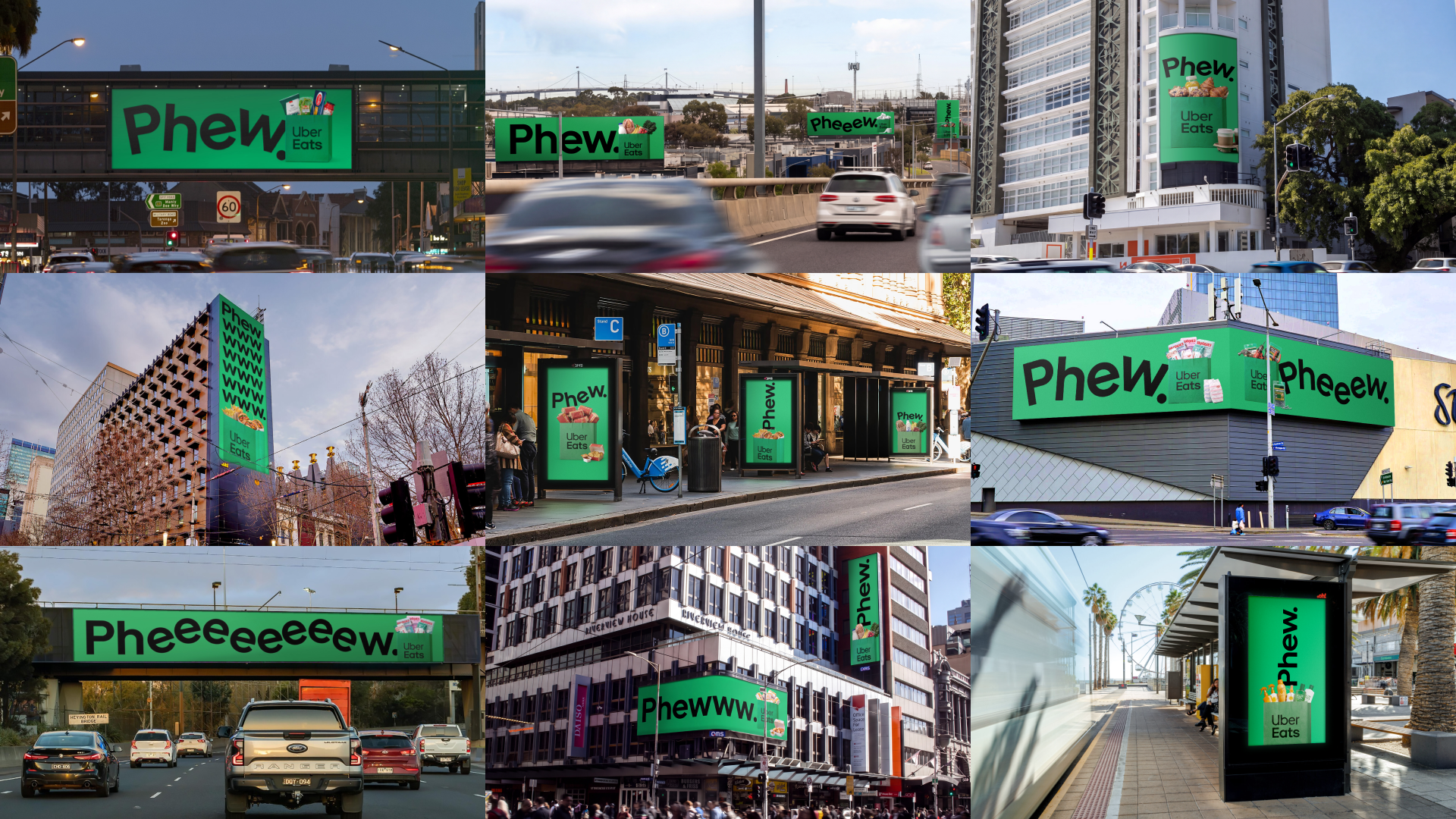
That is the setup behind Phew, the new brand platform Uber Eats detailed in its official announcement. Rather than spending another campaign proving how much the app can deliver, the brand is turning the feeling after the delivery arrives into the idea itself: relief.
Table of contents
Jump to each section:
- Why 2013 is the campaign punchline
- Phew shifts Uber Eats from range to relief
- Troye Sivan and Redfoo make the nostalgia legible
- What marketers can learn from Phew
Why 2013 is the campaign punchline
Phew opens by sending its characters, Sam and Ollie, back to what the campaign calls B.U.E., or Before Uber Eats. They want to make dinner, but the missing ingredients cannot simply appear at the door. They have to go and find them.
That turns an ordinary errand into the campaign's comedy engine. The point is not that grocery shopping was impossible. It is that a task that once felt completely normal can now be framed as unnecessary friction because consumer expectations have moved on.
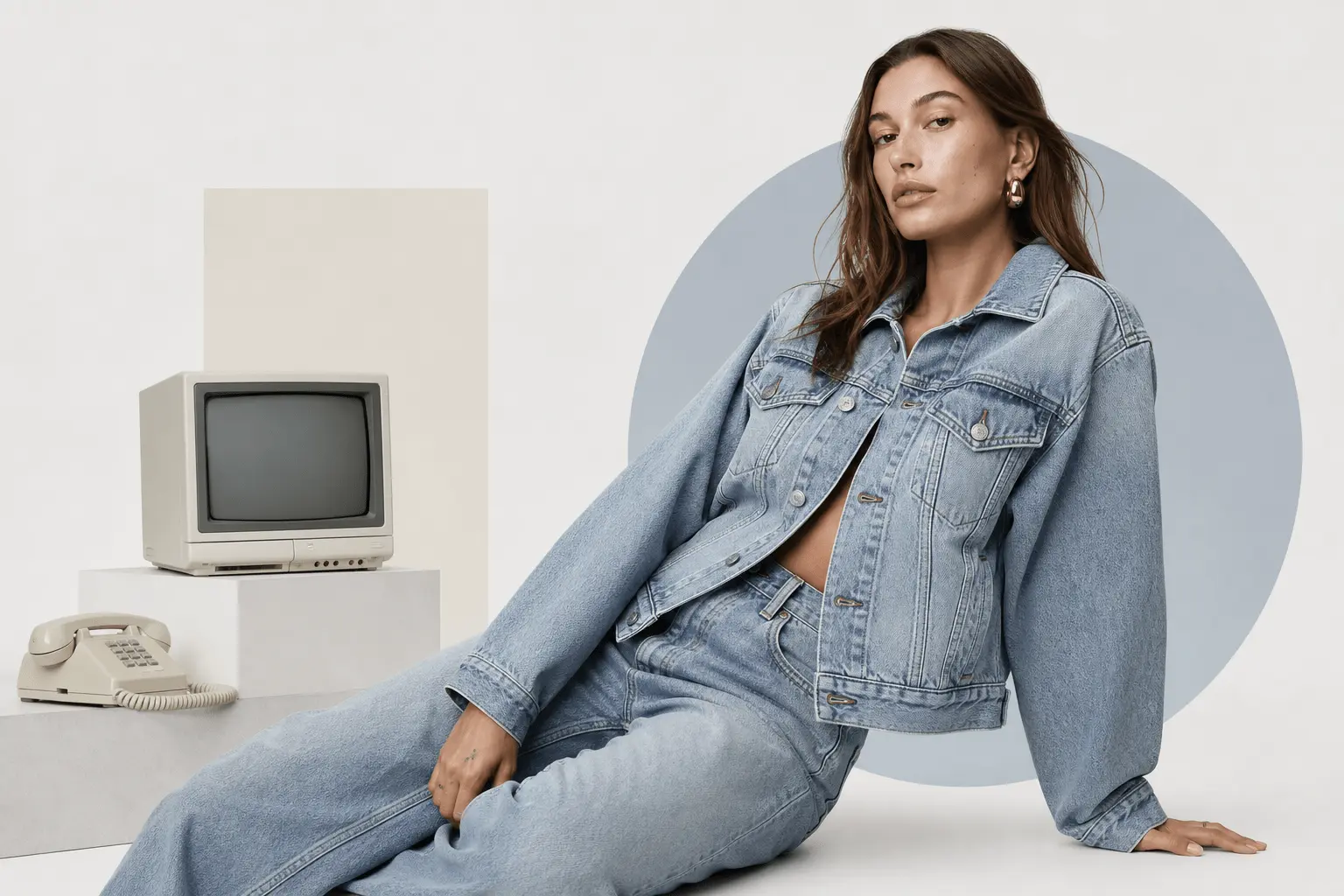
The choice of 2013 gives the creative a second job. It lets Uber Eats exaggerate the inconvenience while surrounding it with a recognizable cultural texture. Redfoo appears as a reminder of the party-pop era when LMFAO was still a major chart presence in Australia. Troye Sivan appears as a pre-stardom version of himself, before his internet-born career became a global pop one.
The funniest part is that 2013 is not ancient history. It is recent enough for many viewers to remember clearly, but distant enough for the routines of that period to feel strangely manual. That is a useful zone for nostalgia marketing because the audience is not being asked to admire the past. It is being asked to notice how quickly the present became normal.
Phew shifts Uber Eats from range to relief
Uber Eats has spent years teaching people that the app is not only for restaurant takeaway. Its previous platform, Get Almost, Almost Anything, pushed groceries, retail and other everyday needs into the same mental category as food delivery.
More than 17 international markets adopted the previous “Get Almost, Almost Anything” platform as Uber Eats expanded the idea beyond takeaway, according to Uber Eats.
Phew starts from the assumption that this functional lesson has landed. Instead of listing what can be ordered, it dramatizes what disappears when the order arrives: one more trip, one more forgotten item, one more thing to fit into an already full day.
Special CSO Celia Garforth describes Phew as “a critical strategic shift for the brand.” The line matters because the campaign is not abandoning convenience. It is changing the language around convenience from capability to emotion.
That distinction becomes more useful in a mature category. Australia now has fewer major delivery platforms than it did a few years ago, with Menulog closing its Australian operation in 2025 and Uber Eats continuing to compete with DoorDash. When people already understand the service model, repeating the mechanics does less work. A brand platform has more room to compete over what the service means in daily life.
“Phew” is unusually small for that job. It is not a claim about speed, selection or price. It is the sound somebody makes after the problem has already been solved.
Troye Sivan and Redfoo make the nostalgia legible
Celebrity casting often asks the audience to transfer attention from a famous person to a brand. Phew uses its celebrities differently. Troye Sivan and Redfoo are there to date the world.
That works especially well with Sivan because the campaign is playing with a before-and-after version of cultural memory. Sivan's career began on the internet, long before he became the globally recognized pop artist audiences know today. Casting a pre-stardom version of him makes the campaign's time travel feel specific rather than generically retro.
Redfoo does a different job. LMFAO's loud party-pop aesthetic was difficult to separate from the early 2010s, and the duo was topping Australian music charts just before the period Phew recreates. He is less a celebrity endorsement here than a cultural timestamp.
That is the stronger lesson in the casting. The famous person is not simply the attention hook. The casting itself carries information. Viewers can understand the era before anyone has to explain why the clothes, music cues or shopping routine are supposed to feel old.
It also keeps the nostalgia attached to the product idea. The campaign is not saying 2013 was better. It is saying life before on-demand convenience required more effort, and the celebrities help make that comparison instantly readable.
What marketers can learn from Phew
Phew is a reminder that a long-running brand message eventually creates permission to say less. Once the audience understands the functional proposition, the next campaign can spend more of its energy on the feeling around it.
- Stop re-explaining a product truth once people already know it.
Uber Eats spent several years stretching its identity beyond restaurant delivery. Phew only makes sense because the audience has already been taught that broader range. The emotional platform is built on top of earlier functional education rather than replacing it prematurely.
- Use nostalgia to make behavioral change visible.
The 2013 setting gives viewers a before picture. Instead of telling people that on-demand delivery has changed everyday routines, the campaign lets them watch characters struggle with tasks that now feel optional.
- Cast culture for meaning, not only reach.
Troye Sivan and Redfoo are useful because they help the audience locate the story in time. Their value is not only fame. Each cameo makes the creative idea easier to decode.
- A repeatable feeling can be a stronger platform than another feature list.
“Phew” is short enough to attach to many situations: dinner, a missing DIY item, a craving or a forgotten essential. That gives the platform space to travel across TV, outdoor, social, audio and activations without needing a new strategic explanation every time.
The broader point is that mature categories create a different kind of creative problem. Early campaigns often have to teach people what a service does. Later campaigns have to remind people why they care.
Uber Eats is trying to turn that second problem into one word. The campaign does not ask viewers to admire delivery technology. It asks them to recognize the tiny exhale that happens when one more task disappears from the day.
That is a much more human place for a convenience brand to compete, especially once convenience itself is no longer novel.