India just rewrote the rules for WhatsApp
India’s new SIM-binding rules could disrupt how WhatsApp works for its most loyal users, merchants

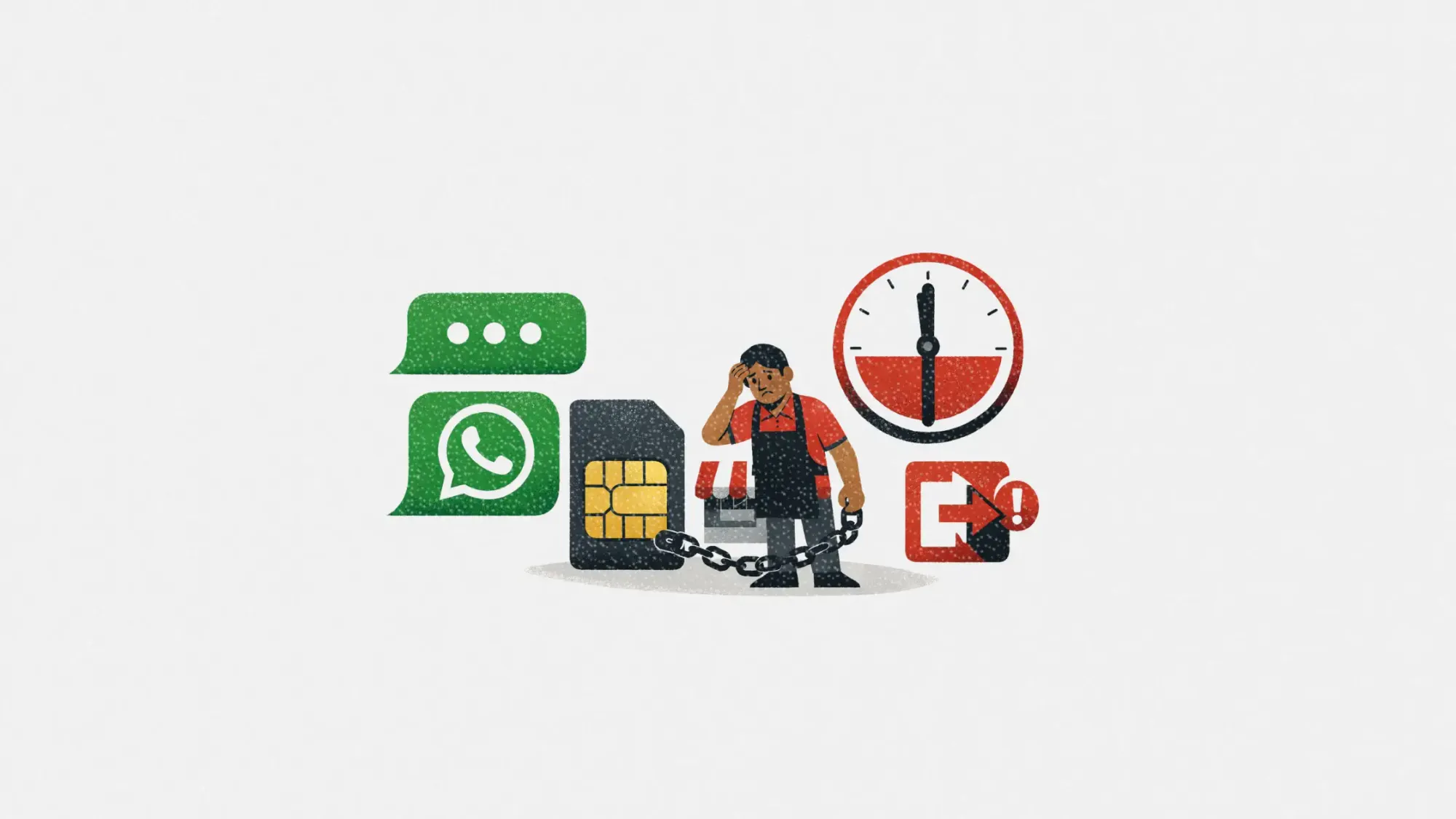
WhatsApp’s grip on India is about to be tested. The Meta-owned messaging platform, used by more than 500 million Indians, is facing a strict new regulatory directive that could disrupt its most active user base: small businesses.
On November 28, India’s Department of Telecommunications (DoT) issued sweeping directions requiring messaging apps like WhatsApp, Telegram, and Signal to continuously link user accounts to an active SIM card. Additionally, desktop and web sessions must log out every six hours and reauthenticate via QR code.
Framed as a response to rising cybercrime, the mandate gives platforms 90 days to comply or face penalties. But digital rights groups and industry bodies say the rules could break key features and workflows. This is especially concerning for the millions of Indian merchants who rely on WhatsApp Business for daily customer interactions.
This article explores how the new rules could shake up WhatsApp’s operations in India, why they matter to marketers and business users, and what small enterprises should prepare for next.
Short on time?
Here’s a quick table of contents:
 Patrecia Meliana
What India's new rules say
The Indian government’s latest directions apply to all messaging apps that rely on Indian mobile numbers. The goal? Curb cyber fraud by ensuring traceability.
Apps must now:
- Continuously bind each account to the SIM card used at signup
- Log out desktop or web versions every six hours
- Allow reaccess only through QR code verification
According to the DoT, these steps close a “telecom identifier misuse” gap that scammers exploit using long-lived web sessions or inactive SIMs, particularly from outside India. Authorities claim India lost over ₹22,800 crore (about US$2.5 billion) in cyber-fraud in 2024, with messaging apps playing a central role.
Banking apps already use SIM-device binding and periodic logouts to limit account takeovers. The government is now applying a similar logic to communication platforms, treating them as part of the telecom ecosystem.
But here’s the twist: this shift didn’t come through formal legislation. Instead, it was enacted through delegated executive direction under new telecom cybersecurity rules, raising eyebrows among privacy experts and platform providers alike.
Why this hits WhatsApp hardest
On paper, these rules apply equally to all major messaging apps. In reality, WhatsApp will feel the heat most.
Why? India isn’t just WhatsApp’s largest market. It’s also where the app is most deeply embedded in everyday business and communication.
According to Sensor Tower:
- 94% of WhatsApp’s Indian users opened the app daily in November 2025
- WhatsApp Business also saw 67% daily open rates in the same period
- India alone accounts for more than 500 million users of the platform
Unlike large enterprises that use WhatsApp’s Business APIs, most Indian merchants rely on the free WhatsApp Business app and its web client. They typically register accounts on a SIM-linked phone, then handle customer chats via desktop or browser. This is exactly the workflow that periodic logouts and mandatory SIM checks would disrupt.

With the new rules, merchants may be forced to reauthenticate multiple times per day, breaking key workflows tied to order fulfillment, customer support, and real-time engagement.
At the same time, Meta has been expanding multi-device support for WhatsApp, including companion devices and browser sessions. The new rules would essentially roll back these capabilities.
What marketers should know
The policy shift may look like a security measure on the surface, but it carries deeper implications for businesses that use WhatsApp as infrastructure. Here’s what’s at stake:
1. Broken workflows for small merchants
SIM binding and six-hour logouts will likely break existing use cases for WhatsApp Business on desktop, especially for merchants who juggle orders, support, and communication via non-primary devices. Marketers serving SMBs should watch for increased friction or churn.
2. Stalled momentum on WhatsApp commerce
WhatsApp’s growth in India has shifted from broad consumer acquisition to deeper merchant adoption. Appfigures data shows WhatsApp Business consistently outpaced WhatsApp Messenger in new installs throughout 2024. That momentum may stall if these new hurdles slow down merchant onboarding.
3. Platform regulation is creeping in
This move reflects a bigger trend. Messaging apps are increasingly treated like telecom utilities in India. That opens the door to further compliance obligations down the line, especially for platforms used for business communication.
4. Watch for ripple effects in APAC
India often sets the tone for how governments in Asia approach platform regulation. If the SIM-binding model is seen as effective, other high-fraud jurisdictions may follow suit.
WhatsApp’s dominance in India has always been a strength. Now, it’s also a liability. With compliance deadlines looming and limited legal wiggle room, Meta may have no choice but to comply, even if that means degrading features that businesses rely on.
For marketers, it’s a reminder to build platform resilience and diversify communication touchpoints. WhatsApp isn’t going away, but in India, it may soon come with strings attached.