YouTube lets creators use AI likeness in Shorts
YouTube is rolling out AI avatars for Shorts. Here's what brands and creators should know.

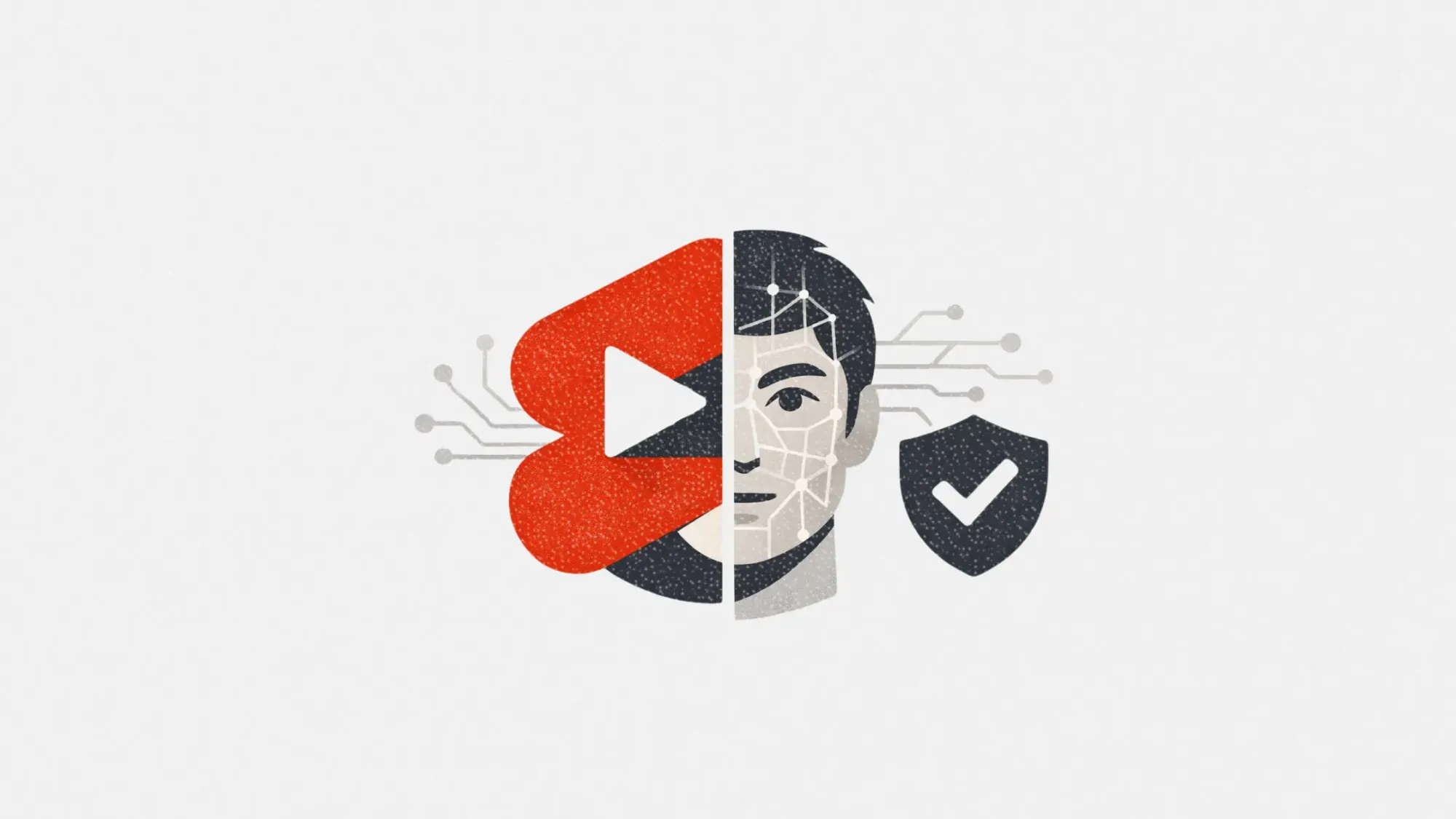
YouTube is doubling down on AI with a new feature that could reshape content creation on Shorts. Recently, YouTube CEO Neal Mohan announced that creators will soon be able to generate Shorts using their own AI likeness. This move signals another shift toward deeper personalization and synthetic identity across one of the internet’s most-watched platforms.
With Shorts now reaching 200 billion daily views, YouTube is placing the format at the core of its AI strategy. The platform already offers tools like auto-dubbing and AI-generated clips, but this new likeness feature introduces fresh creative potential along with higher stakes for identity management.
This article explores YouTube’s upcoming AI likeness capability, its safeguards against misuse, and the implications for creators, brands, and marketers who rely on trust and visibility in a fast-changing content landscape.
Short on time?
Here is a table of content:
- What is YouTube’s AI likeness tool?
- Context: consent meets automation on YouTube
- What marketers should know
 Patrecia Meliana
What is YouTube's AI likeness tool?
The new tool will allow creators to produce Shorts using an AI-generated version of their face and voice. YouTube has not yet released technical details, but the company described this as part of a broader evolution where AI acts as a creative partner rather than a replacement.
This feature builds on existing AI-powered tools in YouTube Shorts, including AI clip generation, auto-dubbing, and stickers. It is designed to give creators more flexibility in content creation, even when they are not physically available or prefer not to appear on camera.
At the same time, YouTube is introducing likeness detection technology to help creators identify and take down unauthorized use of their image. The feature lets creators submit a selfie video and ID for verification, enabling YouTube’s system to flag newly uploaded videos that may include altered or AI-generated versions of their face.
From there, creators can choose to request removal, file a copyright claim, or simply archive the match.
Context: consent meets automation on YouTube
YouTube’s new tools reflect a growing tension between creative freedom and identity protection. Mohan emphasized that while AI is a powerful asset for creators, it should remain a tool for expression rather than a shortcut to mass-produced content.
The company has already faced challenges with what Mohan refers to as "low-quality AI content." In response, YouTube is updating its detection systems to limit spam, clickbait, and synthetic content that undermines the viewing experience.
Likeness detection adds a consent-based model to this approach. The system only works for creators who enroll and provide a reference video. For now, it only scans for visual likenesses, with voice recognition set to arrive later.
YouTube also clarified that some matches may include clips of a creator’s real face posted by others. These may not qualify for removal under privacy policies, but creators still have the option to pursue takedowns for unauthorized use under copyright law.
What marketers should know
The rise of AI likeness tools changes how brands and marketers will need to approach creator partnerships, content monitoring, and identity risks.
1. Contracts should now include AI likeness clauses
If creators can use AI versions of themselves in sponsored Shorts, marketers must ensure brand guidelines extend to avatars. Contracts should clarify whether synthetic likenesses can be used and what disclosures are required.
2. Brand safety risks are increasing
AI misuse could result in a creator’s face promoting a brand without approval. Even if unintentional, these instances can damage brand trust. Marketers should work closely with creators to track where and how their likeness is used in relation to the brand.
3. Creator tools may inspire platform-wide moderation
YouTube’s likeness detection system sets a precedent. Other platforms may follow with similar AI identity protections. Marketers should stay informed and consider requesting comparable safeguards when running UGC or creator-led campaigns.
YouTube’s AI likeness feature opens up new creative possibilities but also brings new ethical and operational concerns. For marketers and creators alike, the challenge will be maintaining authenticity and consent in an increasingly synthetic media environment.
As platforms roll out deeper AI integration, expect more tools that blur the line between automation and identity. The brands that get ahead of this shift will be the ones that adapt their contracts, messaging, and trust strategies accordingly.