Zocdoc’s latest campaign turns healthcare pain into punchlines
Zocdoc’s new campaign shows that finding the right doctor doesn’t have to feel like a gamble

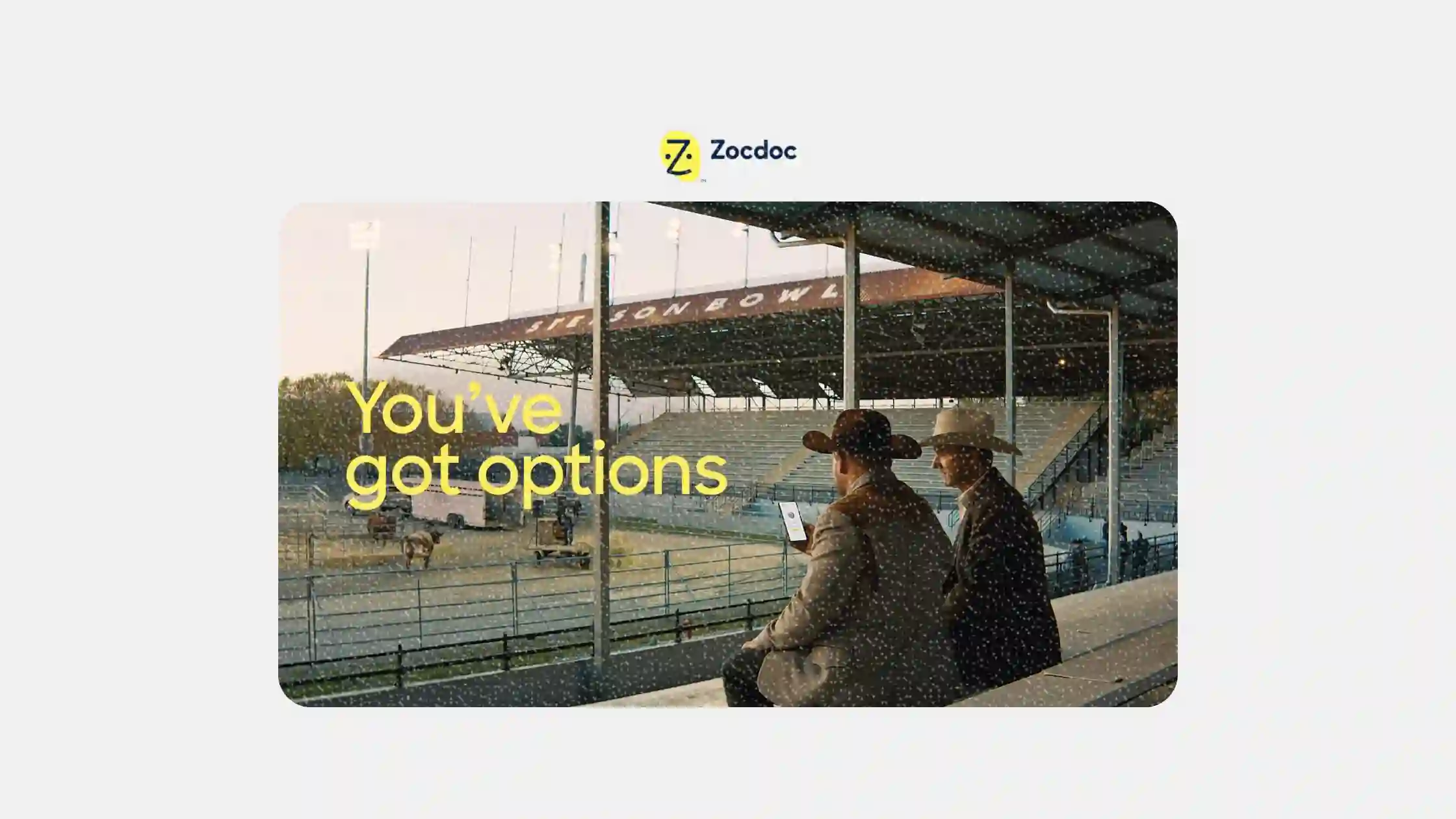
Healthcare marketing rarely leads with humor, but Zocdoc is betting that laughter might just be the remedy patients need.
The healthcare platform’s new 2026 national campaign, "You’ve Got Options", flips the traditionally sterile and intimidating world of doctor visits on its head. Partnering with agency 72andSunny, Zocdoc brings a fresh, comedic lens to a deeply familiar struggle: finding the right doctor.
This article explores how Zocdoc’s campaign reframes healthcare choice as personal, human, and even funny—and what brand strategists and marketers can learn from this approach to messaging, targeting, and emotional insight.
Short on time?
Here’s a table of contents for quick access:
- What Zocdoc’s new campaign is all about
- How humor becomes a strategy for empathy
- What marketers should take away from this
 Patrecia Meliana
What Zocdoc's new campaign is all about
Zocdoc’s "You’ve Got Options" campaign rolls out with four character-driven video spots, each capturing a different form of medical anxiety and resolving it through the platform’s core promise: better, more personalized doctor-patient matching.
Spots include:
- "Mom Down": A drained mom finally finds a primary care doctor who won’t rush her through the appointment[insert video]
- "Can I Get a Doc": A livestock auctioneer—played by real-life champ Dean Edge—seeks a therapist who truly listens[insert video]
- "Falling for the Dentist": A fearless skydiver turns out to be terrified of dentists and conquers it by finding a provider who puts her at ease[insert video]
- "Seeing Eye to Eye": Two goths find unexpected joy in an optometrist who keeps conversation to a minimum[insert video]
The spots balance sharp comedy with emotional truth, all while reinforcing Zocdoc’s utility: a searchable directory of healthcare professionals filtered by specialty, location, and patient reviews. It’s a campaign that makes agency and fit—not just access—the central message.
How humor becomes a strategy for empathy
Healthcare is notoriously cold. What Zocdoc and 72andSunny do differently is bring humanity and personal quirks to the forefront.
"Patients have been conditioned to believe that beggars can’t be choosers," said Zocdoc Chief Communications Officer Jessica Aptman. This campaign pushes back on that mindset by making choice feel not just possible, but relatable and specific. It taps into the invisible emotional weight patients carry when navigating the healthcare system: feeling rushed, misunderstood, or unsafe.
Rather than preach features or list doctor counts, the ads zero in on what relief looks and feels like—whether that’s silence, safety, or simply being heard. It’s a brand strategy rooted in psychological insight, not just functional benefits.
 Patrecia Meliana
What marketers should take away from this
Zocdoc’s campaign offers several smart takeaways for healthcare marketers and beyond:
1. Lead with emotional relevance, not technical superiority
While Zocdoc offers a robust platform, the campaign barely talks tech. Instead, it hones in on the human experience—what feeling matched looks like. For industries with high friction like healthcare, finance, or insurance, this shift toward emotion-first messaging can unlock stronger resonance.
2. Make humor work for credibility, not distraction
The characters may be absurd, but their pain points are real. By building hyper-specific scenarios, Zocdoc avoids generic comedy and builds trust. Marketers aiming for humor should tether it to emotional truths rather than gags.
3. Focus on fit, not best
Zocdoc’s clever reframing—“there’s no such thing as the best doctor, only the best one for you”—underscores a powerful positioning move. Marketers can apply this lesson across categories by highlighting relevance and personalization over blanket superiority.
4. Showcase real behaviors, not personas
Each vignette was inspired by real user behavior and data. For example, Zocdoc reports that 8 out of 10 users return to the first doctor they find through the platform, suggesting that emotional fit drives retention. Campaigns grounded in actual usage insight are more likely to drive performance and brand lift.
Zocdoc’s campaign doesn’t just aim to get more bookings. It reframes how people think about their agency in healthcare, a field where “taking what you can get” is still too common. By focusing on humor, humanity, and emotional relief, the platform positions itself as a trusted ally, not just a directory.
For marketers in other industries, the lesson is clear: agency and personalization are powerful brand positions, especially when wrapped in storytelling that breaks the mold.