Affle moves to buy Perion for US$420M, linking mobile and retail media
Affle's planned US$420 million takeover of Perion would connect mobile conversion advertising with connected TV, DOOH and retail media.


India-listed Affle 3i has agreed to buy Israel-based Perion Network in an all-cash deal valued at about US$420 million in equity, bringing a mobile performance advertising business together with technology for connected TV, digital out-of-home (DOOH) and retail media. The companies announced the agreement on November 1, 2026. The acquisition has not yet closed.
For marketers, the significance lies in the different points of the advertising journey that each company serves. Affle focuses on campaigns linked to consumer conversions, while Perion manages buying and optimization across screens, stores and other digital environments. Connecting those capabilities is the proposition, not a result that either company has demonstrated yet.
Key Takeaways
- Affle has agreed to acquire Perion for about US$420 million in equity, subject to shareholder and regulatory approvals.
- The proposed combination would connect Affle's mobile conversion focus with Perion's connected TV, DOOH and retail media business.
- The companies have not yet established an integrated measurement workflow or demonstrated post-deal advertiser performance.
Table of contents
Jump to each section:
- How the Perion deal is structured
- Where mobile performance meets retail media
- Why Perion growth metrics need context
- What advertisers should watch before closing
How the Perion deal is structured
Affle's Israel-based subsidiary has signed a definitive agreement to acquire Perion for US$11.70 in cash per share. Both boards approved the deal, but shareholders and regulators still have to clear it. The companies expect the transaction to close in early 2027, with Perion continuing to operate under its existing brand.
US$420 million is the implied equity value of the acquisition, representing a 34.5% premium to Perion's October 30 closing share price, according to Affle's November 1 announcement.
The agreement also gives Perion a 40-day period to seek other bids, ending on December 11, 2026. That makes the signed terms concrete but not immutable: another buyer could submit an offer before the deal closes. If it proceeds, Perion's shares will be delisted from Nasdaq and the Tel Aviv Stock Exchange.
Affle's chairperson and CEO, Anuj Khanna Sohum, described the transaction as a step toward "strengthening our CPCU business across Developed Markets." CPCU refers to its cost-per-converted-user approach. The phrasing points to the buyer's geographic and performance-marketing ambitions, but the companies have not published a detailed product-integration roadmap.
Where mobile performance meets retail media
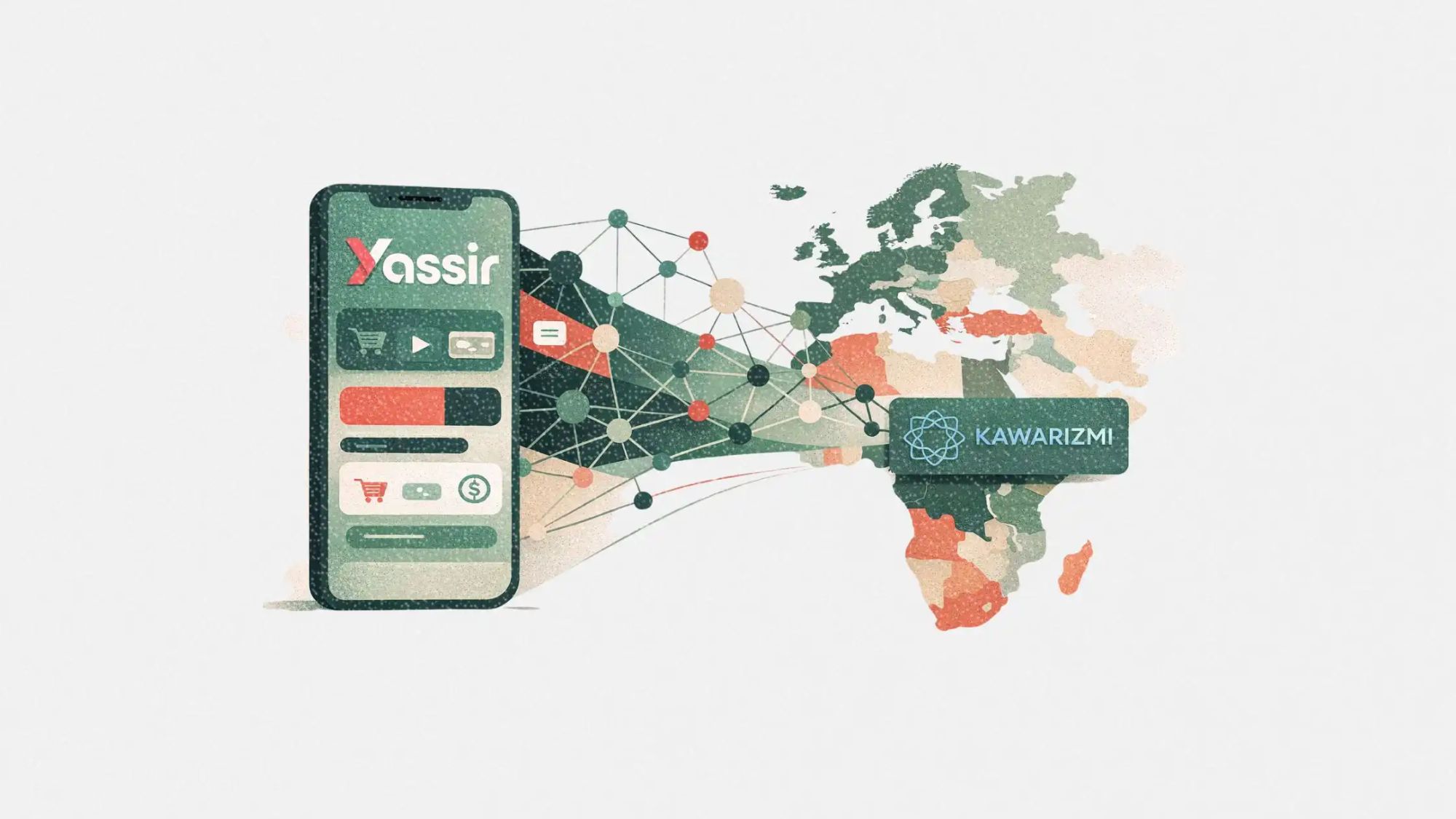
Affle's existing business is concentrated in mobile consumer acquisition, re-engagement and conversion-based advertising, with an emphasis on results after an ad interaction. Perion's Perion One platform covers retail media, connected TV and DOOH alongside other digital channels. Its Outmax technology supports AI-assisted campaign execution and optimization.
| Company | Existing advertising focus |
|---|---|
| Affle | Mobile performance advertising, app growth and cost-per-converted-user campaigns |
| Perion | Connected TV, digital out-of-home, retail media and omnichannel media execution |
The strategic idea is that a brand could potentially connect awareness on a television or in-store screen with downstream conversion-oriented activity on a phone. That would be useful for retailers, agencies and brands trying to coordinate messaging across channels. It is still an ambition: the acquisition announcement does not establish shared identity matching, unified measurement or a single campaign workflow.
The direction also puts the enlarged business alongside established but differently positioned advertising technology groups such as Criteo in commerce media and The Trade Desk in omnichannel buying. Combining inventory access with conversion signals may expand Affle's pitch, yet agencies will need evidence that the resulting system performs better than separate channel specialists.
Why Perion growth metrics need context
Perion's most recent reported operating figures show why those channel assets are central to the transaction. In the second quarter of 2026, spending through its Perion One platform rose year on year, even as the company reported lower total revenue.
US$156.7 million in Perion One media spend was reported for Q2 2026, up 15% year on year, according to Perion's quarterly results. Connected TV spend increased 56%, DOOH spend 45% and retail media spend 60% over the same period.
Those percentages describe spend moving through the platform, not Perion's own revenue from each category. Perion reported total second-quarter revenue of US$98.2 million, down about 5% from a year earlier. The distinction matters because rising client media spend does not automatically translate into higher revenue, stronger margins or better advertiser outcomes.
Affle's buyer narrative emphasizes linking conversion-led mobile campaigns with larger upper-funnel environments. The immediate test is whether the company can translate Perion's distribution across physical and digital screens into comparable attribution and useful campaign controls, rather than simply adding more places to buy advertising.
What advertisers should watch before closing
Existing customers do not need to assume their buying arrangements will change immediately. The agreement leaves Perion operating under its name, and the companies have not detailed any timetable for combining interfaces, customer contracts, data systems or sales teams. The transaction must close before most integration decisions can be tested in practice.
For agency trading desks, the relevant questions are operational. Will a campaign moving between connected TV, in-store media and mobile use consistent attribution definitions? Can planners control frequency and exclusions across channels? Will new reporting preserve clarity about what is measured directly and what is modeled? None of these capabilities follows automatically from common ownership.
There is a governance question as well. Linking mobile conversion data to retail media and other screen environments may be commercially attractive, but it also raises questions about permissions, data availability and matching limitations. Marketers should keep existing consent and measurement standards in place until the combined company can show exactly how such integrations would work.
The first near-term milestone is the December 11 end of Perion's go-shop period, followed by the required approvals and the expected early-2027 closing. Only then will agencies be able to judge whether the deal changes how campaigns are bought and measured, rather than only which company owns the infrastructure.