
Amazon adds real-time AI chat to audio shopping with “Join the chat”
Amazon turns passive product listening into interactive AI conversations, letting shoppers ask questions and get real-time answers mid-audio

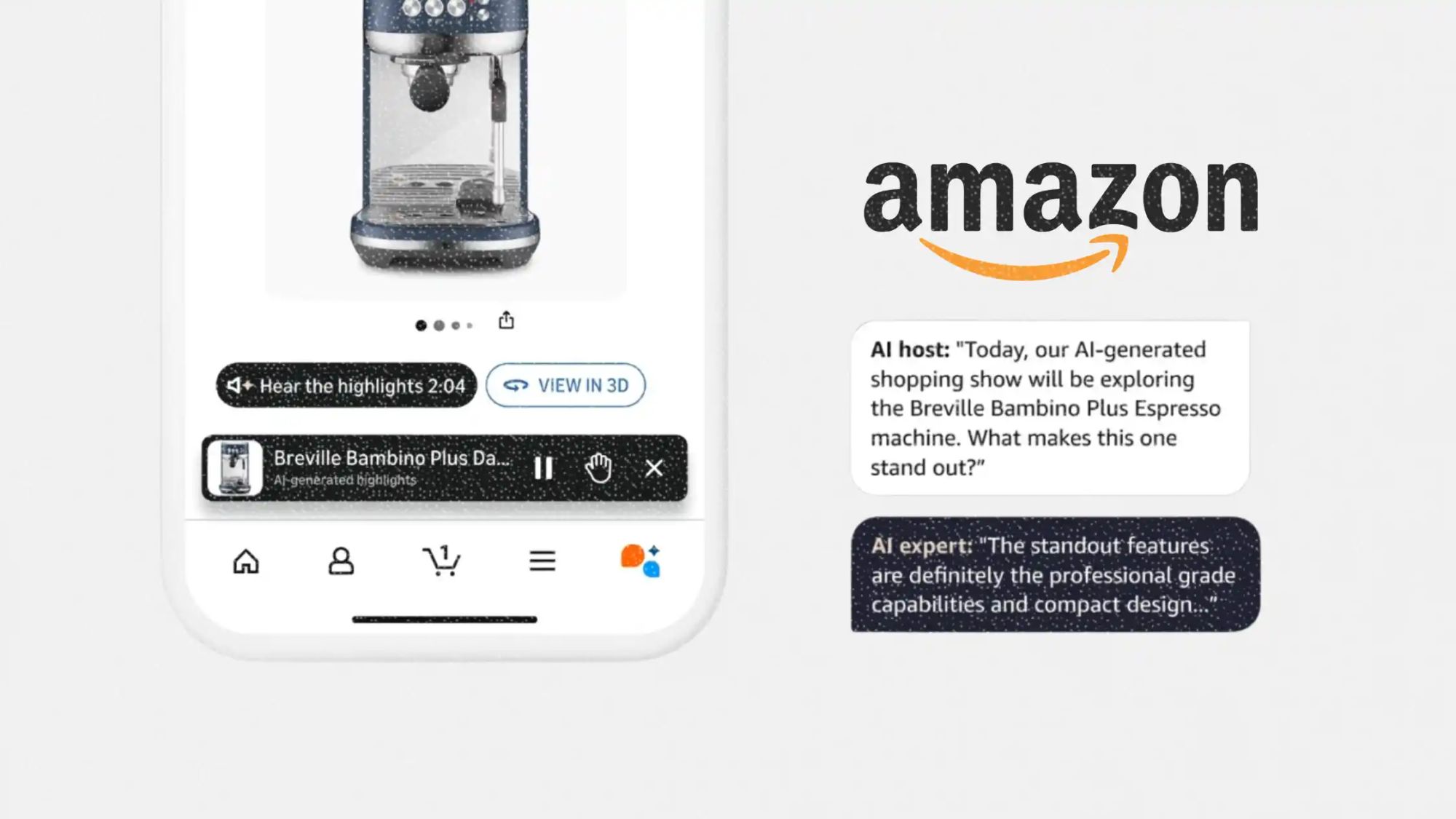
Amazon is pushing deeper into conversational commerce with a new feature that turns passive product listening into an interactive experience. Its latest update lets users ask questions mid-audio summary and get real-time, spoken answers from AI-generated hosts.
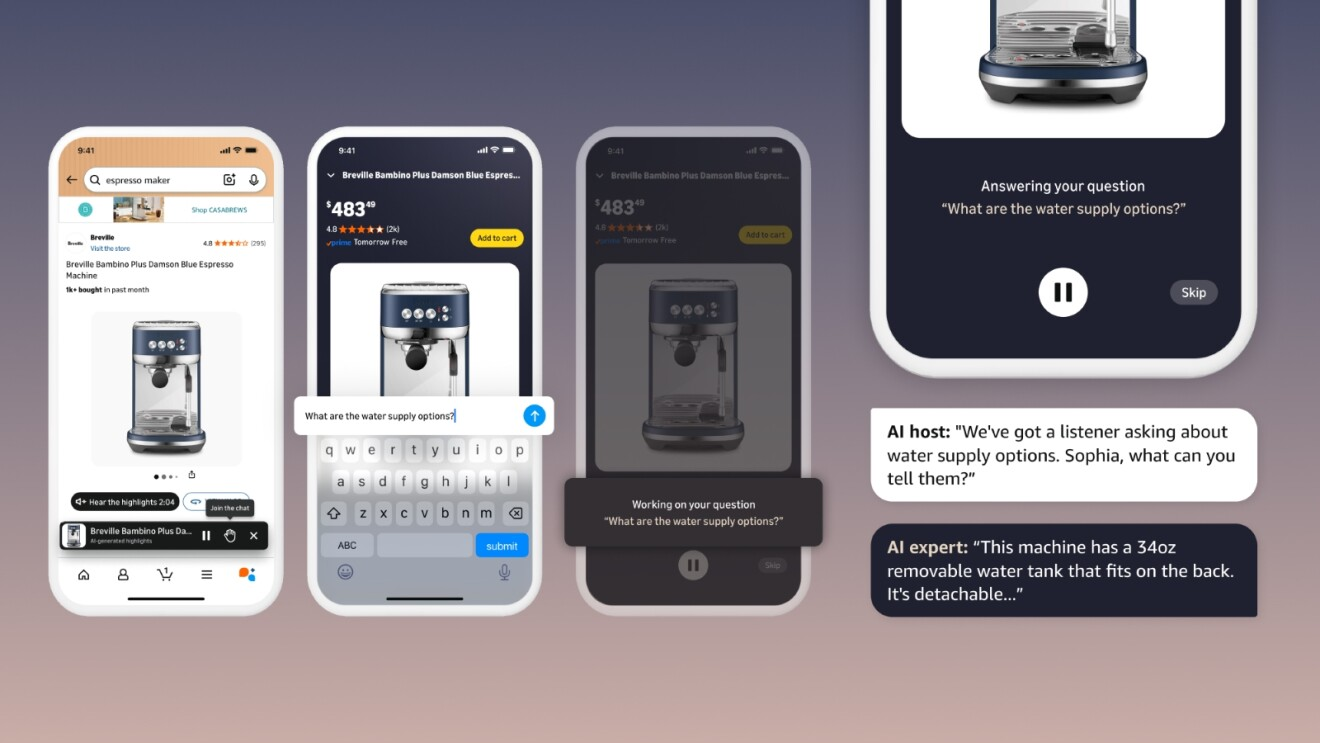
This article explores how “Join the chat” builds on Amazon’s existing AI shopping stack, what it means for product discovery, and why marketers should pay attention as conversational interfaces reshape how customers evaluate products.
Table of contents
Jump to each section:
- What is Amazon’s “Join the chat” feature and how does it work?
- Why Amazon is betting on conversational audio shopping
- What marketers should know about AI-powered shopping assistants
 Patrecia Meliana
What is Amazon's "Join the chat" feature and how does it work?
Amazon has introduced “Join the chat,” a new capability within its “Hear the highlights” feature that allows shoppers to ask questions while listening to AI-generated product summaries.
Here’s the core experience:
- Users play an audio summary of a product on the Amazon Shopping app
- At any point, they can ask a question via text or voice
- AI-generated hosts respond in real time using product data, reviews, and web information
- The audio resumes seamlessly after answering
Unlike static summaries, this turns product exploration into a dynamic, two-way interaction. The system also adapts contextually, meaning it avoids repeating information and builds on what has already been said.
The feature is currently available to U.S. users on iOS and Android, though only select products support audio summaries for now.
Why Amazon is betting on conversational audio shopping
This move is not just about convenience. It reflects a broader shift toward multimodal, AI-driven shopping experiences.
Amazon is effectively combining three layers:
- Generative AI for summarization and scripting
- Conversational AI for real-time Q&A
- Text-to-speech for natural delivery
The result is an experience that mimics speaking to a knowledgeable store assistant, but at scale.
It also fits into Amazon’s growing ecosystem of AI shopping tools, including:
- Rufus, its generative AI shopping assistant
- “Help me decide,” which recommends products based on behavior
- “Interests,” which tracks and surfaces relevant items over time
From a strategic perspective, Amazon is reducing friction in product research. Instead of scrolling through reviews or specs, users can simply ask.
That shift matters. It compresses the consideration phase and gives Amazon more control over how product information is surfaced and prioritized.
Patrecia Meliana
What marketers should know about AI-powered shopping assistants
For marketers and e-commerce teams, this update signals a few important changes:
- Product content needs to be AI-readable
AI responses are built from product descriptions, reviews, and structured data. If your content is unclear or incomplete, the AI will reflect that.
- Reviews are becoming even more influential
Questions like “Is this sweater itchy?” rely heavily on customer feedback. This elevates the importance of review quality and sentiment.
- Discovery is shifting from search to conversation
Instead of typing keywords, users are asking nuanced questions. This changes how products are evaluated and compared.
- Context matters more than keywords
AI hosts consider what has already been said. That means messaging needs to be consistent across all product information sources.
- Audio could become a new performance channel
If users increasingly rely on audio summaries, brands may need to think about how their products “sound,” not just how they look on a page.
Patrecia Meliana
Amazon’s “Join the chat” feature is a clear step toward conversational commerce becoming the default, not the exception.
For marketers, the takeaway is straightforward: product discovery is no longer just about ranking in search results. It is about being understood, summarized, and recommended by AI systems that shape the buying journey in real time.
Brands that optimize for this shift early will have a better chance of staying visible as interfaces move from clicks to conversations.