AnyMind turns livestream audiences into a brand-campaign marketplace
AnyMind's AnyCreator Stream connects livestream analytics, creator campaign discovery and payments with marketer-side activation through AnyTag.


AnyMind is trying to make live streaming influencer marketing look less like a one-off creator activation and more like a measurable media workflow. Its new AnyCreator Stream product brings creator-side analytics, brand campaign discovery, and campaign earnings into one place, while connecting the marketer side to AnyMind's existing AnyTag influencer marketing platform.
That matters because livestreaming has often sat awkwardly between creator content, sponsorship, and commerce. Brands can buy into a stream, but measurement, creator discovery, campaign management, and payment have often lived in separate tools. AnyMind's launch suggests those pieces are starting to collapse into a more structured campaign layer.
Table of contents
Jump to each section:
- What AnyCreator Stream actually connects
- Why livestreaming is becoming campaign inventory
- What marketers can measure now
- Where the workflow still has gaps
- What APAC teams should watch next
What AnyCreator Stream actually connects
AnyMind Group's launch announcement describes AnyCreator Stream as a web platform where creators and livestreamers can connect supported channels, view performance data, find brand campaign opportunities, participate in those campaigns, and track campaign earnings and payments. At launch, the supported integration is YouTube Live.
The important part is not the analytics dashboard by itself. It is the connection between the creator side and the marketer side. AnyCreator Stream plugs into AnyTag, AnyMind's influencer marketing platform, where marketers can discover and activate creators for livestream campaigns, manage those campaigns, and measure results.
That turns the product into more than a creator utility. It creates a shared workflow around inventory, activation, measurement, and payment. The creator sees performance and monetization opportunities. The marketer sees talent, campaign controls, and reporting.
AnyMind also says brands can show up in creator streams through pre-roll, mid-roll, and post-roll video ads, branded banners and overlays, in-stream chat integrations, creator-delivered calls to action, promotional codes, and product placements. That mix matters because it gives marketers several ways to participate without treating every livestream as the same format.
Why livestreaming is becoming campaign inventory
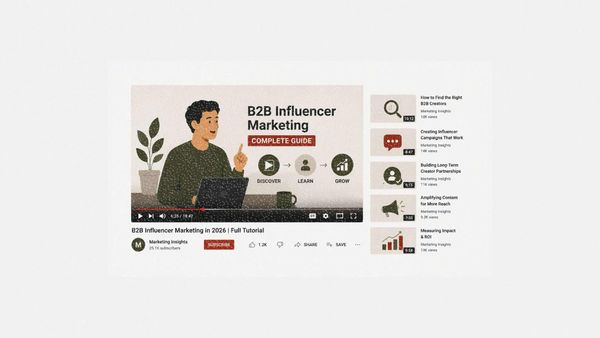
Livestreaming already gives brands access to attention that behaves differently from a standard feed post. A live audience can ask questions, react in real time, follow a creator's cues, and move from entertainment to action without leaving the session. But for marketers, that value becomes easier to budget when the activity has repeatable buying and reporting mechanics.
That is the shift AnyCreator Stream points toward. A marketer can treat a livestream creator less like an ad hoc sponsorship and more like campaign inventory with defined placements, measurable audience behavior, and payment infrastructure attached.
The word inventory matters here. It does not mean creators become interchangeable ad slots. The strongest livestreams still depend on audience trust, creator fit, timing, and the creator's ability to keep the stream entertaining. But a more structured system can make it easier for brands to compare opportunities, plan activations, and decide whether the format deserves recurring budget.
This is especially relevant in APAC, where livestream commerce and creator-led selling are already familiar behaviors in many markets. AnyMind has been building around that broader operating model for some time, including AI-supported live commerce tools and creator campaign infrastructure. AnyCreator Stream brings the creator monetization side closer to that same stack.
For marketers, the practical implication is simple: livestreaming is becoming easier to buy like media without becoming identical to media. The human relationship still drives the audience response, but the systems around it are becoming more standardized.
What marketers can measure now
According to Marketing-Interactive, the YouTube Live integration surfaces metrics including impressions, watch time, concurrent viewers, engagement, and click-throughs from links shown during streams. AnyMind's own announcement also lists view-through rates among the available campaign metrics.
That gives marketers a more useful starting point than a single total-view number. Each metric answers a different question:
- Impressions show how much exposure the livestream generated.
- Watch time helps indicate whether viewers stayed long enough for the creator message to land.
- Concurrent viewership shows the size of the live audience at a given moment, which can help identify peaks around product demos or calls to action.
- Engagement helps show whether viewers interacted instead of watching passively.
- Click-throughs connect the livestream to a measurable next action.
- View-through rate can help marketers compare how well different integrations held attention.
Those numbers still need context. A creator with fewer concurrent viewers but stronger retention and click-throughs may be more valuable than a larger stream where the sponsor message disappears into the background. Marketers should avoid recreating the old influencer mistake of treating reach as the main performance signal.
The better approach is to define the role of the livestream before choosing the KPI. A product launch may care about peak concurrent viewers and engagement. A commerce activation may care more about clicks, promotional-code use, and downstream conversion. A recurring creator partnership may need to track whether performance improves across multiple streams rather than judging one broadcast in isolation.

Where the workflow still has gaps
The launch answers the broad workflow question, but several operational details are still unclear from the public materials.
First, AnyMind does not specify a country-by-country launch list for AnyCreator Stream. The company operates widely across Asia and other markets, but that does not automatically mean every creator in every AnyMind market can use this product on day one. Marketers planning regional activations should confirm creator availability in the specific markets they need.
Second, the public announcement does not spell out creator eligibility requirements, audience thresholds, or fees. That matters because campaign marketplaces often look open from the outside while still depending on network membership, account approval, platform status, or campaign-specific qualification.
Third, YouTube Live is the only integration named at launch. AnyMind does not provide a public timetable for adding other livestream platforms. That is a meaningful limitation for APAC marketers, where live creator activity often spans TikTok, Shopee, and other commerce-heavy environments.
There is also an important distinction on the brand side. Marketers are not simply browsing a public storefront and booking creators directly from AnyCreator Stream. The marketer workflow runs through AnyTag, where AnyMind says brands can discover and activate creators, manage campaigns, and measure performance. The platform connection is real, but the public materials do not describe it as an open self-serve booking exchange.
That distinction matters because it affects how much control a marketer has over creator selection, pricing, briefing, and campaign setup. Until AnyMind publishes more product detail, teams should treat AnyCreator Stream as connected campaign infrastructure rather than assume it works like a fully open marketplace.
What APAC teams should watch next
The most useful way to read this launch is not "another creator dashboard." The bigger signal is that creator platforms are trying to close the distance between audience measurement and monetization.
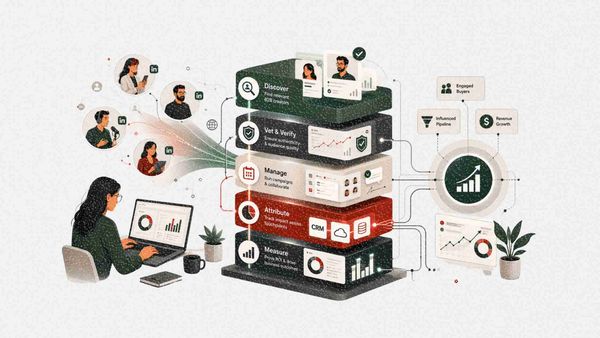
For creators, that means performance data can sit closer to campaign opportunities and payment. For marketers, creator discovery can sit closer to campaign execution and reporting. When those pieces live in one connected system, livestreaming becomes easier to plan as a repeatable channel instead of something that requires a fresh operational setup every time.
APAC teams should watch four things as AnyCreator Stream develops:
- Platform expansion. TikTok, commerce marketplaces, and other livestream environments would materially expand the product's relevance.
- Market availability. A clear country-by-country rollout would show how quickly AnyMind can turn the product into regional infrastructure rather than a limited launch.
- Creator access rules. Eligibility and network requirements will determine how broad the available creator pool really is.
- Commercial transparency. More detail on pricing, fees, payment timing, and campaign setup would help brands compare the product with agencies, creator marketplaces, and existing influencer platforms.
The opportunity is not simply to put more ads into livestreams. It is to make creator-led live content easier to buy, measure, and repeat without flattening the creator into a generic media unit. If AnyMind can keep the creator relationship intact while standardizing the operational layer around it, livestreaming starts to look less like an experimental add-on and more like a distinct part of the creator media plan.