APAC 2026 consumer trends according to Omnicom Media report
Omnicom Media APAC’s 2026 report shows co-creation and AI are redefining how consumers shape brand narratives

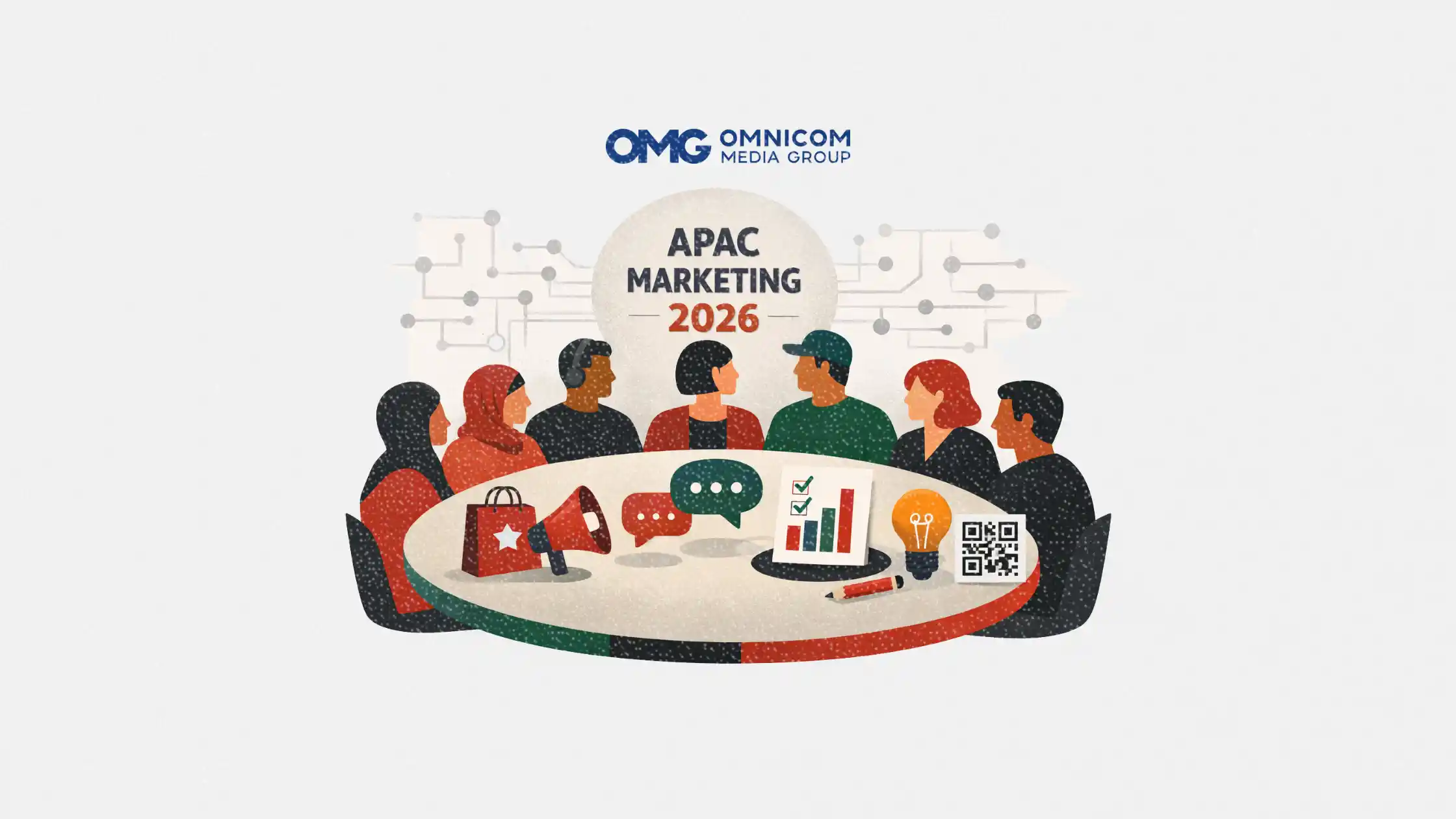
Omnicom Media Asia Pacific (OM APAC) is signaling a clear message for marketers in 2026: consumers no longer want to be talked at, they want a seat at the table. According to OM APAC’s latest trends report, one in four APAC consumers is more likely to promote brands they feel engaged with. The age of passive audiences is over.
 Omnicom Media Asia Pacific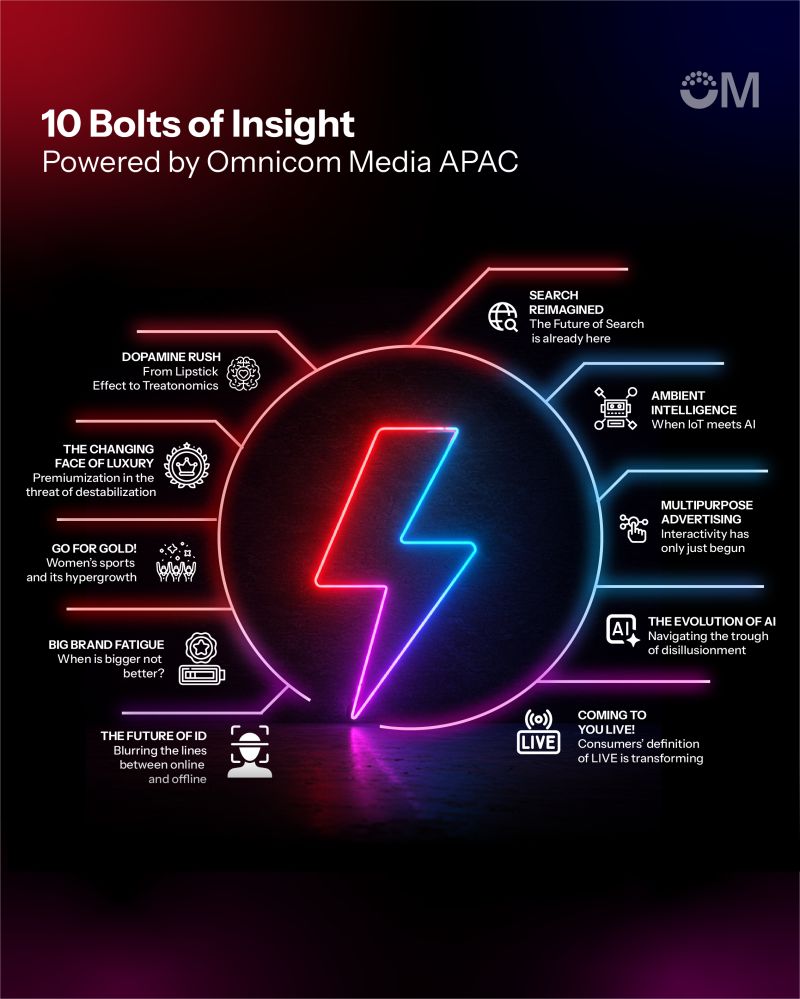
Backed by regional data and insights from CES 2026, the report outlines how emerging tech, from AI agents to digital ID wallets, is reshaping consumer expectations and behavior. But the bigger shift lies in mindset. Consumers aren’t just expecting personalization. They want collaboration, control, and meaningful connection.
This article explores OM APAC’s three core themes for 2026 — intelligent tech, consumer co-creation, and rising expectations — and what they mean for marketers navigating the new digital terrain.
Short on time?
Here’s a table of contents for quick access:
- Intelligent tech is becoming a quiet enabler
- Co-creation is the new brand loyalty
- Why expectations are higher and what brands can do
- What marketers should do now
 Patrecia Meliana
Intelligent tech is becoming a quiet enabler
2026 marks a turning point where AI no longer just assists, it anticipates. OM APAC notes that 64% of consumers in key APAC markets already use AI for productivity, and seven in 10 organizations have deployed AI agents in their workflows. That number is only growing.
Even search is evolving. AI-powered overviews in engines like Google now lead to 1.6x more closed browsing sessions. Users get what they need without jumping through links. Meanwhile, ambient intelligence is emerging in sectors like wellness, where smart sensors quietly diagnose needs before consumers realize them.
Brands need to meet this moment. That means restructuring content for large language models and overhauling data architecture, using clean rooms and diversified channels, to serve increasingly autonomous consumer behavior.
This also comes with a reality check: as tech automates more aspects of life, consumers will expect seamless, invisible service. The challenge is to remain visible and valuable without interrupting the flow.
Co-creation is the new brand loyalty
In 2026, engagement is a two-way street. Whether it’s through social commerce, livestreaming, or gamified experiences, brands are learning that interaction isn’t optional, it’s the currency of trust.
Livestreaming has overtaken tentpole events in perception, with 80% of viewers treating it as a daily touchpoint. They’re scanning QR codes, joining polls, and second-screening with intent. Brands that build for these micro-interactions gain both insight and advocacy.
One in four APAC consumers is more likely to promote a brand they feel involved with. That’s a powerful number. Co-creation tools, from feedback polls to connected TV activations, aren’t just nice-to-haves. They’re part of the new trust stack.
And trust is under strain. OM APAC highlights that 61% of consumers believe big companies look out for themselves, not the shopper. Participation becomes a trust-building mechanism and a source of real-time intel.
Why expectations are higher and what brands can do
Lifestyle, identity, and values are taking precedence over products. Whether it’s luxury wellness retreats or blind box toys, consumers are attaching emotion and meaning to what they buy.
Female athletes, for instance, are 14% more trusted as endorsers, and their fans are 2.8x more likely to buy endorsed products. This tells us something critical: people want brands that mirror their values and celebrate authentic influence.
Gen Alpha is already shaping these demands. As a mobile-native generation, they expect gamified engagement, care about social impact, and won’t tolerate trend-chasing or hard sells. Battenhall’s 2026 forecast backs this up, noting how community-led platforms like Discord and Reddit are gaining relevance over traditional feeds.
For brands, this means tuning into emerging subcultures and building presence where meaningful conversations are already happening, not forcing them.
What marketers should do now
With consumers expecting participation, personalization, and purpose, marketers can’t rely on old playbooks. OM APAC’s 2026 trends make one thing clear: brands need to evolve how they show up — and how they listen. Here’s how to get started:
- Design for AI-first discovery
Structure content for AI consumption and closed-loop journeys. Think semantic optimization, voice search, and anticipatory service design.
- Open up the brand playbook
Give consumers ways to participate in campaigns, whether through polls, UGC, co-designed products, or live Q&A formats. Engagement creates advocacy.
- Go where culture lives
Tap into niche communities and non-traditional spaces. Discord, Reddit, and livestream commerce are more valuable than ever for Gen Z and Alpha.
- Humanize influence
Hybrid influencer strategies that pair AI creators with real faces can maintain both scale and trust. Prioritize voices that resonate on values, not just reach.
- Refine your data stack
With digital IDs and regional privacy laws advancing, ensure your architecture can handle privacy-forward, cross-border data personalization.
Omnicom Media APAC’s report paints a picture of a more empowered, tech-integrated consumer.
For marketers, 2026 will reward those who co-create, listen more than they broadcast, and deliver not just products but identity, purpose, and experience. The brands that thrive won’t just show up, they’ll invite the audience to shape what comes next.