
Jennifer Coolidge’s “spotted in Bondi” moment was an Audible campaign setup
Audible used a staged Jennifer Coolidge Bondi sighting, then an after-film reveal, to move earned buzz into TV, social, retail films, and OOH.


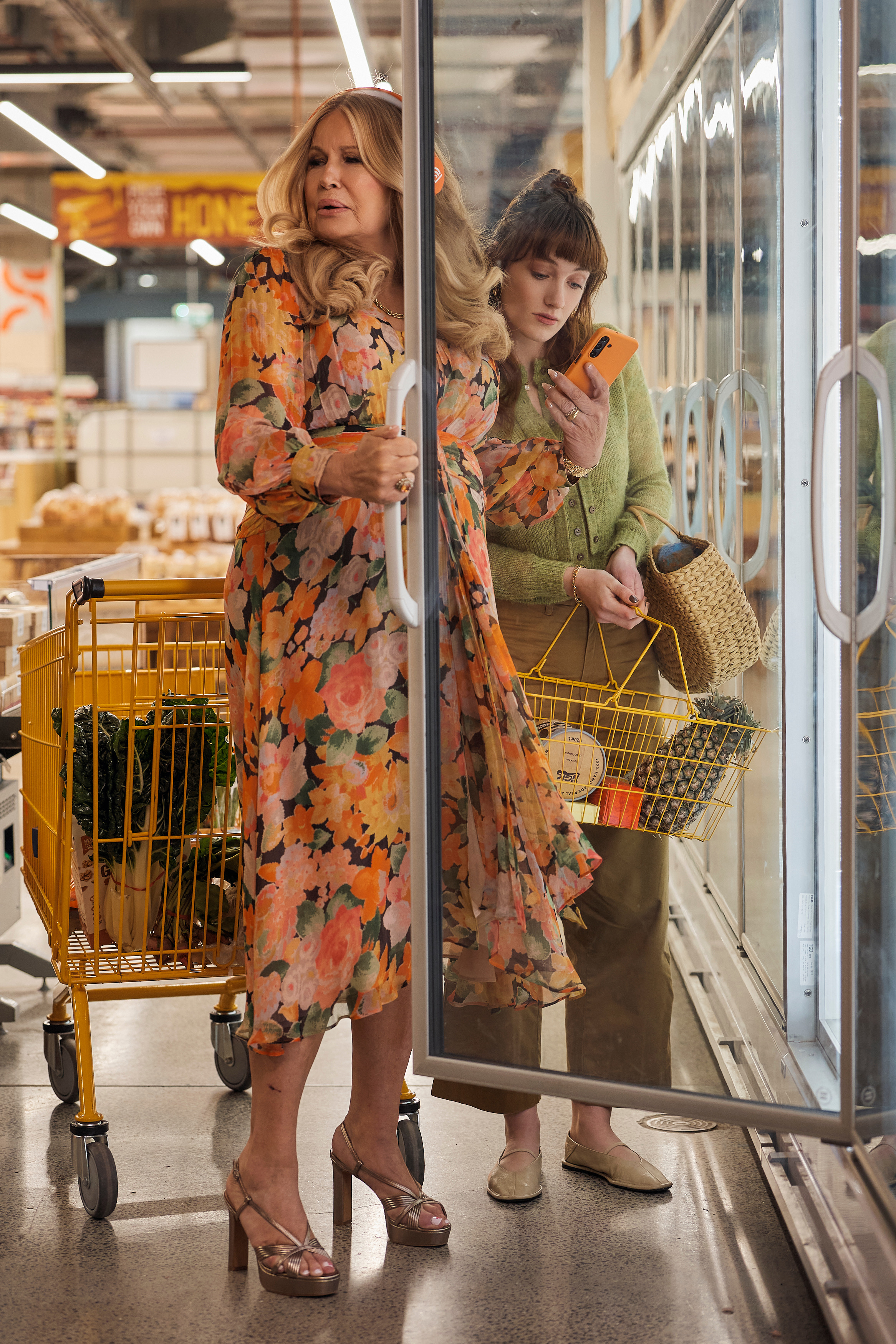
If you saw Jennifer Coolidge wandering around Bondi with a bright orange trolley and headphones on, it looked like the kind of chaotic celebrity sighting that people rush to post before it disappears from the feed.
But the moment was designed to feel exactly like that. Audible teamed up with independent creative group Hello to stage the “spotted” moment as the opening beat of a bigger brand idea, and later shared the details in an official announcement.

Table of contents
Jump to each section:
- Why the “spontaneous sighting” format works
- How Audible and Hello structured the reveal
- What the “stunt after-film” adds to the consumer experience
- What this means for marketers using creators and earned attention
Why the “spontaneous sighting” format works
Audiences are trained to spot ads, but they are also trained to stop for “proof of life” moments: a celebrity in the wild, a weirdly specific detail, a clip that feels like it was captured before anyone could overthink it.
That’s why the Bondi setup is such an effective wrapper for Audible’s core message: you can get lost in an audiobook. The idea is easy to understand without copywriting. Coolidge looks like she’s in her own world, and the trolley becomes a visual prop that makes the sighting feel even more shareable.
 Editorial Team
How Audible and Hello structured the reveal
The campaign was not built as a one-off stunt. The Bondi moment was seeded through a mix of media and strategically selected creators to spark real-world curiosity first, then allow the brand connection to arrive after people were already paying attention.
Only after the “spotted” content had done its job did Audible release a reveal film and move into the broader integrated campaign. The rollout described includes TVC, social, retail films, and out-of-home across Australia, designed to carry the same “lost in a story” feeling into paid placements.
What the “stunt after-film” adds to the consumer experience
The “stunt after-film” functions like a tell-all episode after a cliffhanger. It takes the earned intrigue of the initial sighting and turns it into a second piece of content that people can watch to understand what really happened.
That matters because it gives the audience a satisfying narrative arc: first the “is this real?” moment, then the confirmation, then the bigger campaign universe. In practical terms, it also helps the brand avoid the common stunt problem, where attention spikes but the message never fully lands.
What this means for marketers using creators and earned attention
The Bondi moment is a reminder that “culture” is often a format problem, not just a media-buy problem. People share what feels like a moment, not what feels like a placement.
- Design the first touchpoint for human curiosity, not brand clarity
The sighting was built to be legible as a story before it was legible as an ad. That sequencing can be more effective than leading with branding, especially when the creative concept is simple enough to survive the delay. - Use creators to shape the feel of reality, not just distribution
The campaign described a deliberately selected creator mix to spark a public stir. For marketers, the lesson is that creator choices are part of storytelling, not only reach planning. - Plan the reveal as content, not a footnote
The after-film gives the audience closure and gives the brand a clean way to connect the sighting to the product idea. Without a reveal asset, “mystery marketing” can become “confusing marketing.” - Build an integrated path from earned to paid
The broader rollout (TVC, social, retail films, OOH) shows how a culturally framed moment can become the first chapter of a conventional media plan, as long as the core idea stays consistent.
Audiences are not allergic to advertising; they are allergic to feeling like the ad arrived before the moment did. This campaign’s structure treats attention like a narrative: earn it with a scene people want to share, then reward that attention with an explanation that makes the brand feel like it belonged there all along.
It also shows why “integration” is not only about channel coverage. It is about continuity of meaning. When the same simple idea can travel from a sidewalk sighting to a TVC without changing shape, the campaign stops feeling like separate assets and starts feeling like one story people are already inside.