
17 celebrity marketing campaigns to know
What 17 brand collaborations reveal about modern influence, culture, and conversion


Celebrity marketing is no longer about slapping a famous face on a product and hoping for attention. The campaigns that break through today are more nuanced, more integrated, and far more strategic.
From K-pop idols shaping global brand narratives to athletes and actors driving product demand through culture, this article explores 17 celebrity marketing campaigns and what they reveal about modern brand building.
More importantly, it breaks down why these collaborations work and what marketers should take away from them.
Table of contents
Jump to each section:
- What makes these celebrity campaigns effective
- The shift from endorsement to integration
- What marketers should know about celebrity marketing today
 Patrecia Meliana
What makes these celebrity campaigns effective
Across industries, the most successful celebrity campaigns share a common thread: alignment over exposure.
1. Ray-Ban x Jennie
Ray-Ban builds around Jennie’s identity as a fashion icon rather than forcing product messaging.
Patrecia Meliana
Why it works: The product fits naturally into her existing image.
2. Levi’s x Beyoncé
Levi’s allows Beyoncé to reinterpret the brand through culture and identity.
Patrecia Meliana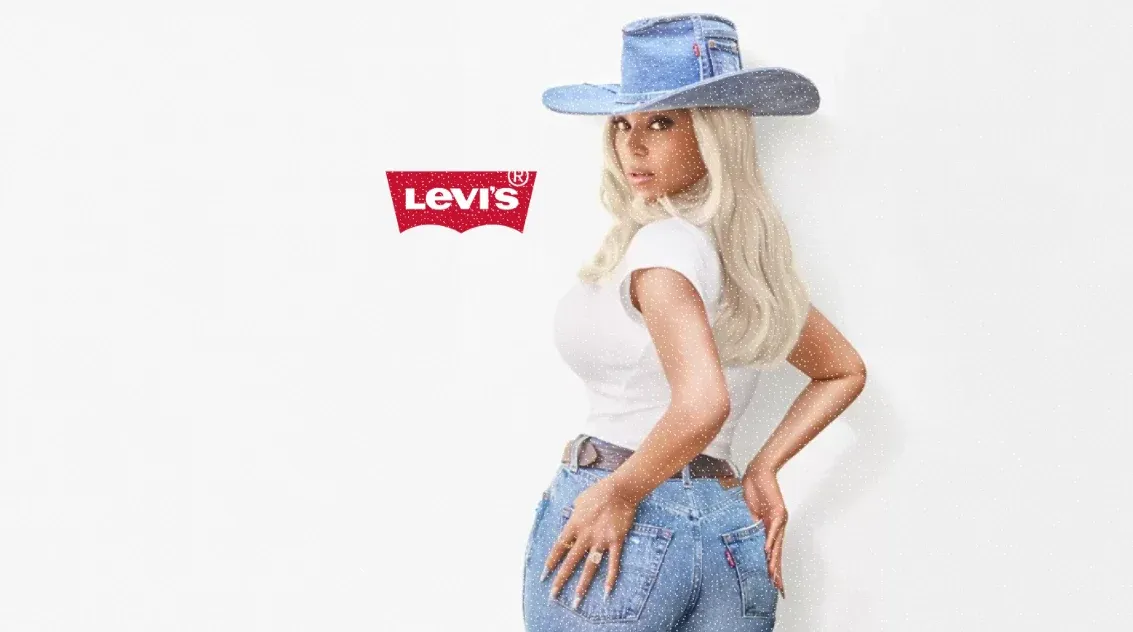
Why it works: Creative freedom leads to stronger cultural impact.
3. Louis Vuitton x BTS
Louis Vuitton bridges luxury fashion with global fandom through BTS.
Why it works: It connects exclusivity with mass appeal.
4. Colgate x IU
Colgate leans into IU’s trust and relatability to soften a functional category.
Patrecia Meliana
Why it works: Credibility beats visibility in everyday product categories.
5. 1664 x Robert Pattinson
A cinematic campaign that positions the brand through lifestyle storytelling.
Patrecia Meliana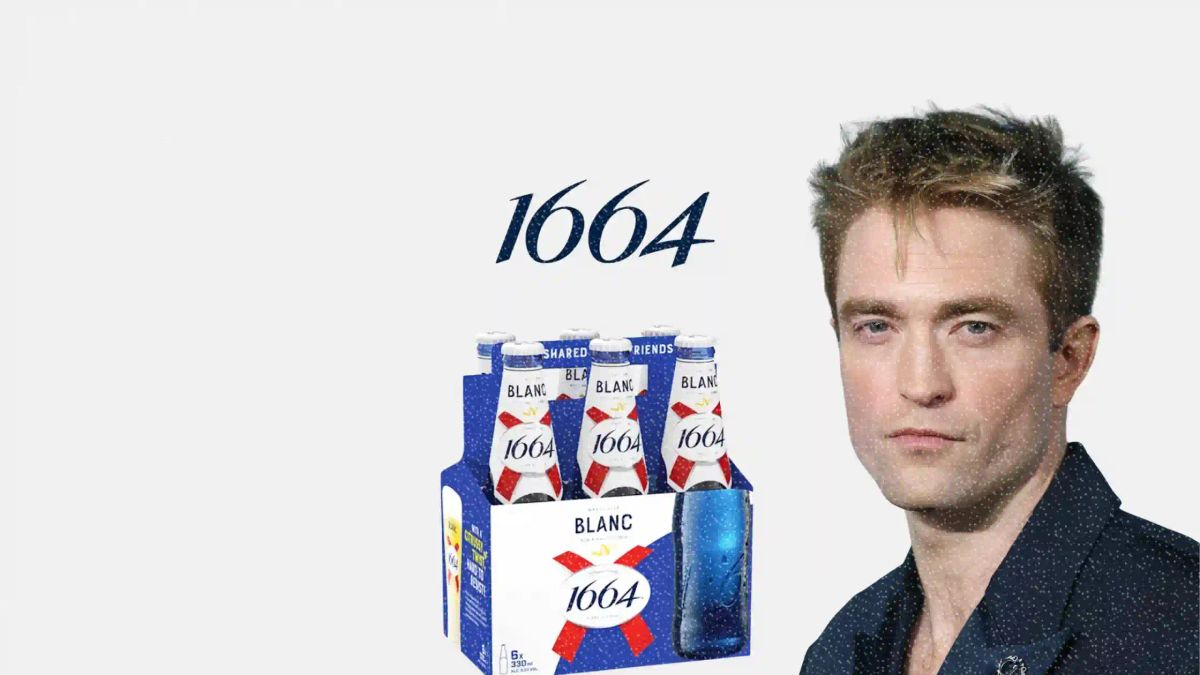
Why it works: Premium brands sell mood, not features.
6. Dior x Jisoo
Jisoo helps Dior connect with younger global audiences.
Why it works: Luxury brands stay relevant through cultural figures.
7. PUBG Mobile x BABYMONSTER
BABYMONSTER is integrated into gameplay, not just marketing.
Patrecia Meliana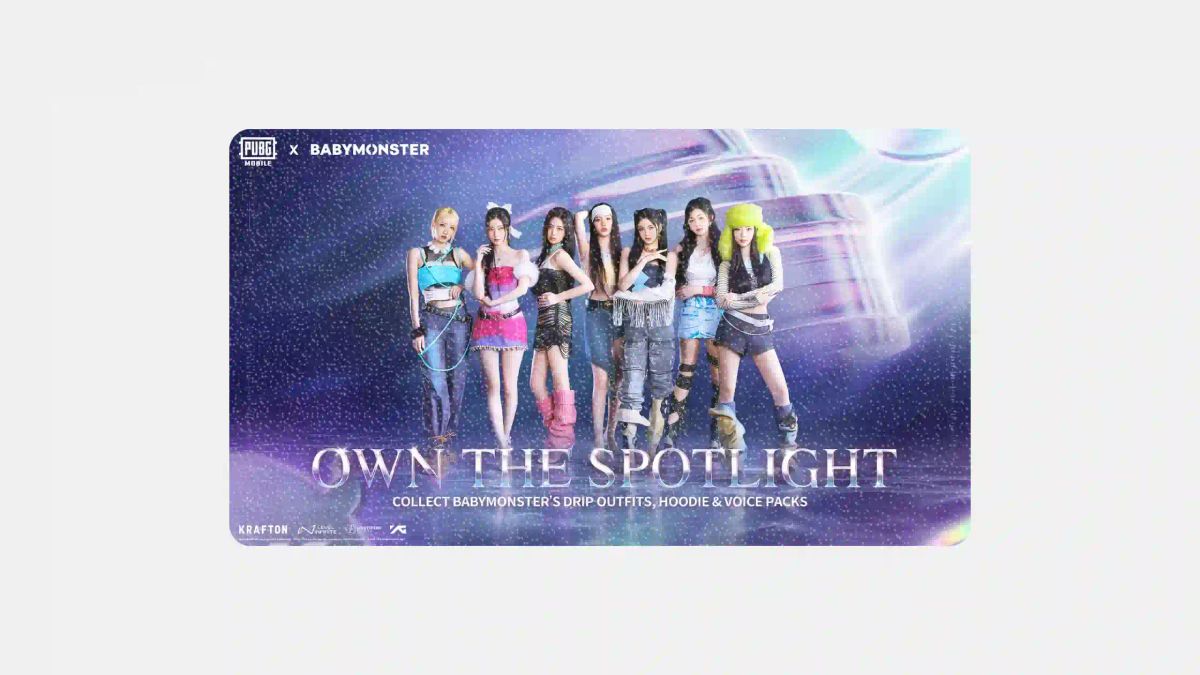
Why it works: The celebrity becomes part of the experience.
8. On x Zendaya
Zendaya’s campaign focuses on storytelling and movement.
Patrecia Meliana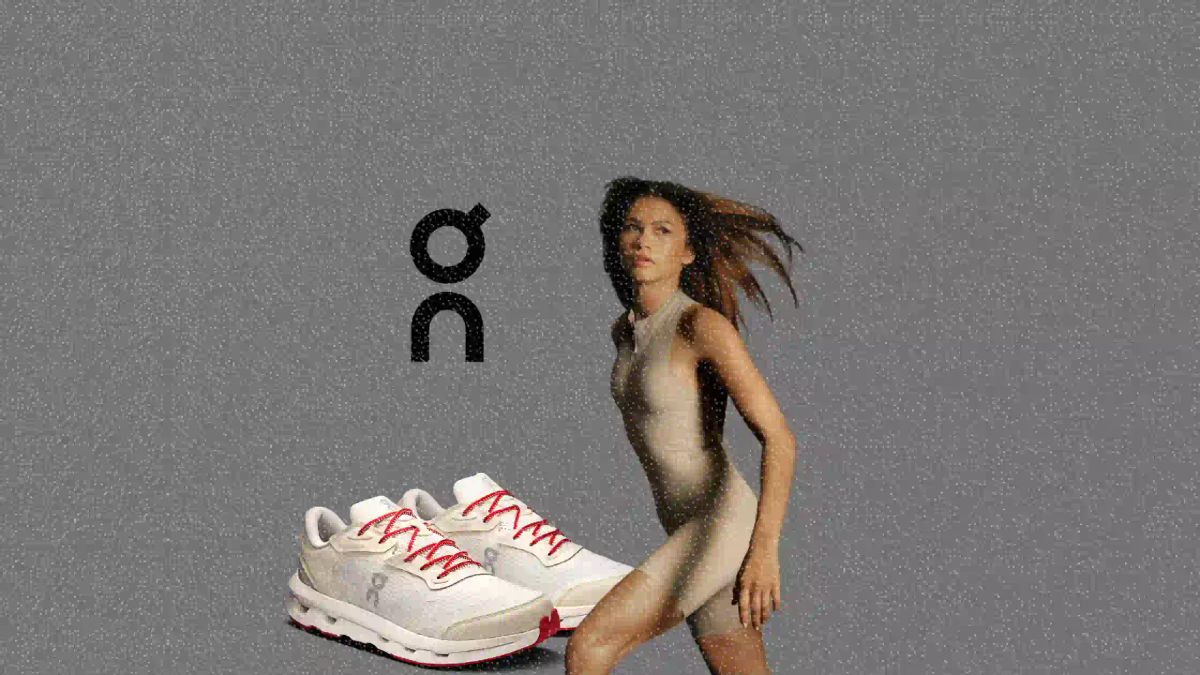
Why it works: Emotion builds connection before conversion.
9. Maybelline x Miley Cyrus
A nostalgic jingle is reintroduced through Miley Cyrus.
Patrecia Meliana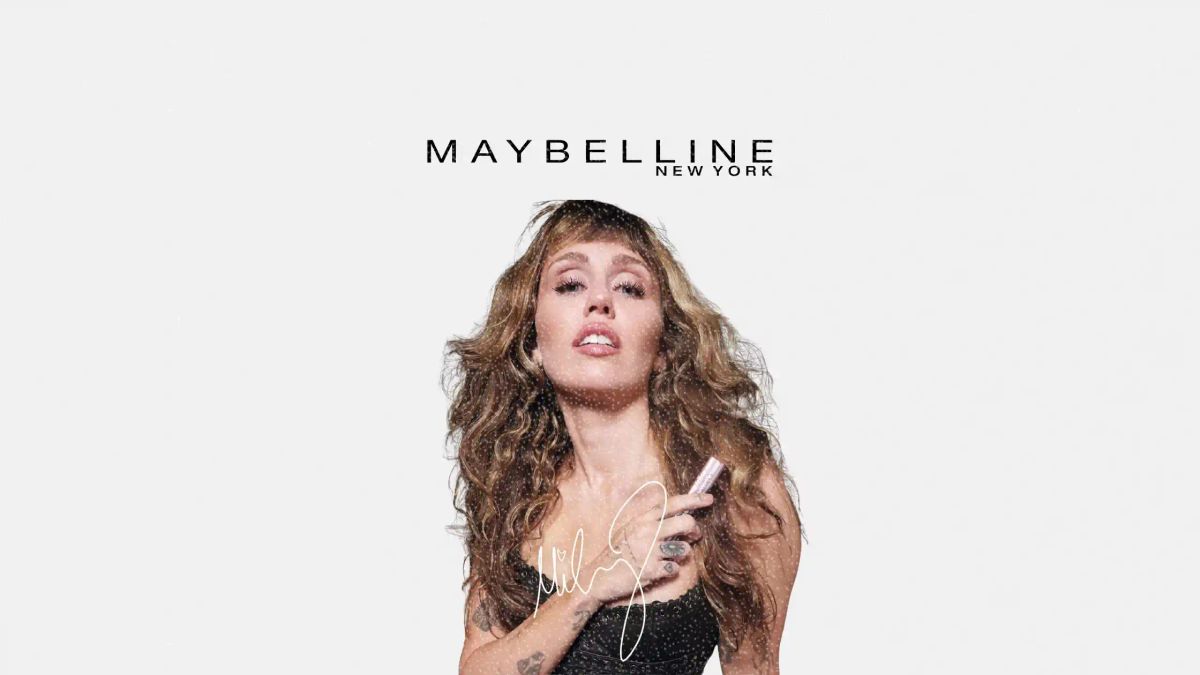
Why it works: Old assets gain new relevance with the right face.
10. Nongshim x aespa
aespa appears across marketing and product packaging globally.
Patrecia Meliana
Why it works: Integration into the product increases impact.
11. Nike x Travis Scott
Nike’s drops with Travis Scott consistently sell out.
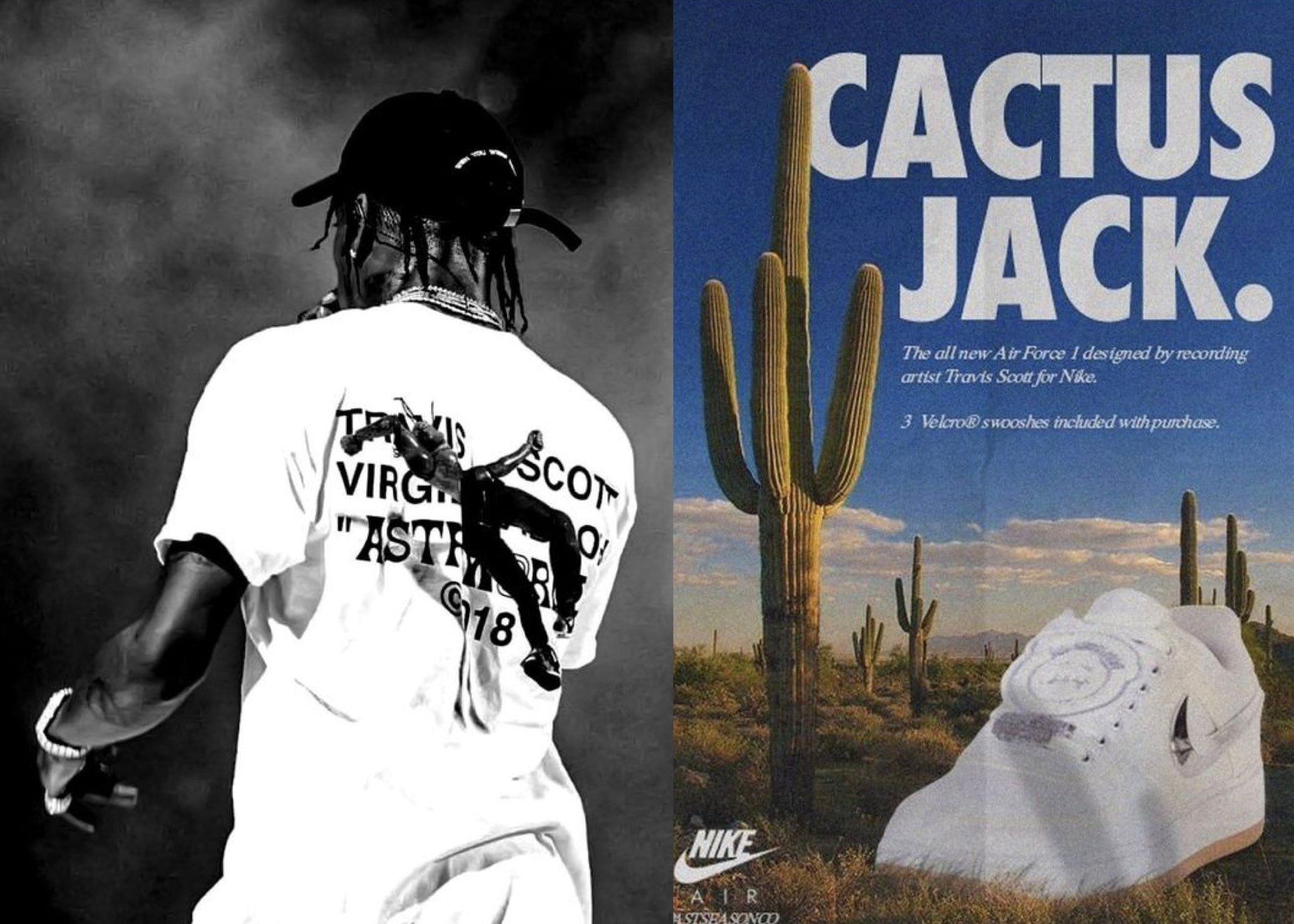
Why it works: Scarcity and cultural relevance drive demand.
12. M&M’s x ILLIT
A TikTok-driven campaign built around participation.
Patrecia Meliana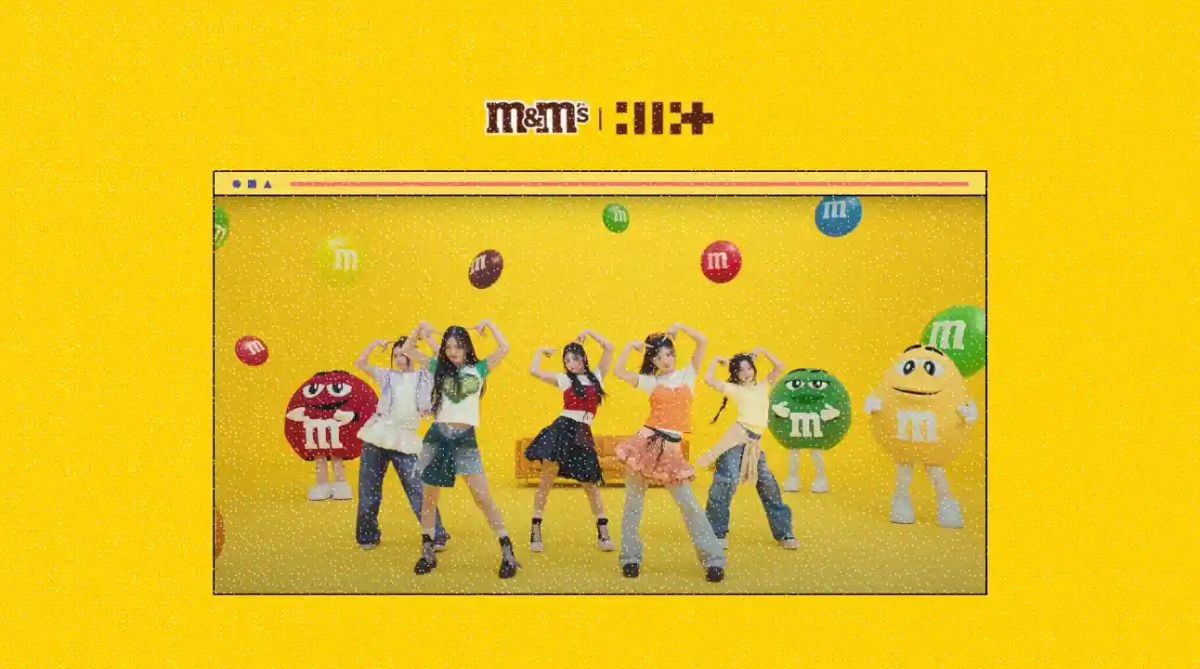
Why it works: Designed for sharing, not just viewing.
13. adidas Originals Superstar campaign
A multi-celebrity campaign featuring Jennie, Kendall Jenner, and others.
Patrecia Meliana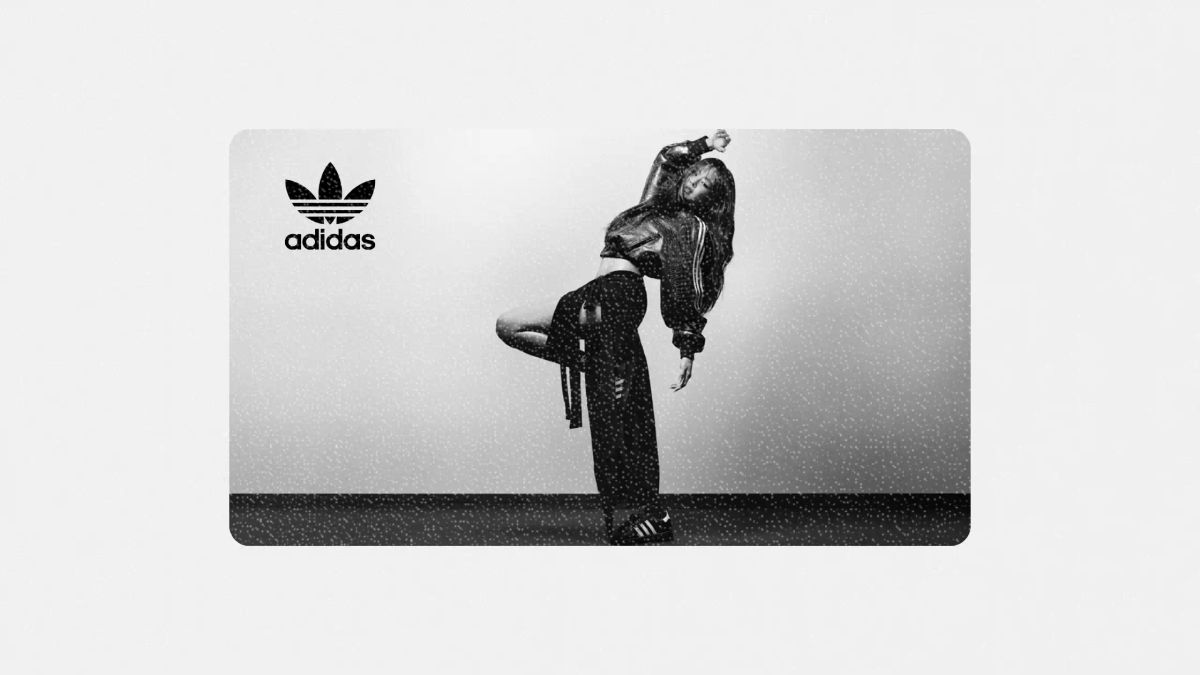
Why it works: Multiple celebrities expand reach across audiences.
14. Messi fragrance campaign
Uses AI and VFX to scale Messi’s presence.
Patrecia Meliana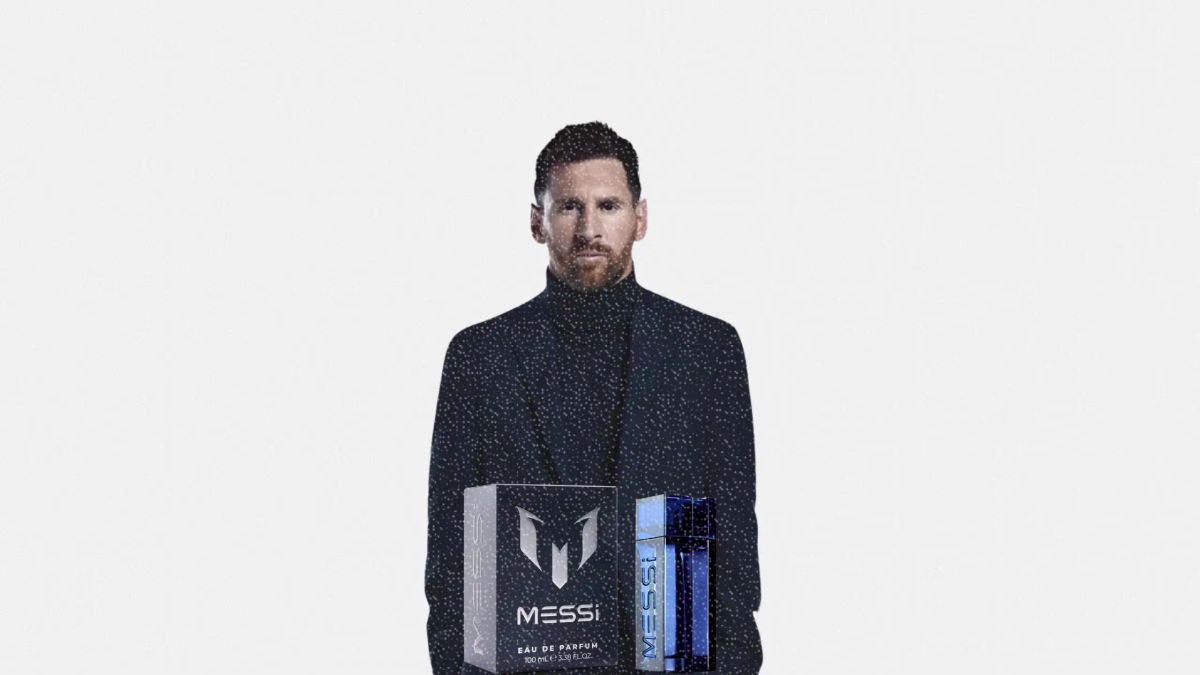
Why it works: Technology extends celebrity storytelling.
15. Cécred x Bretman Rock
Beyoncé’s brand connects with Gen Z through Bretman Rock.
Patrecia Meliana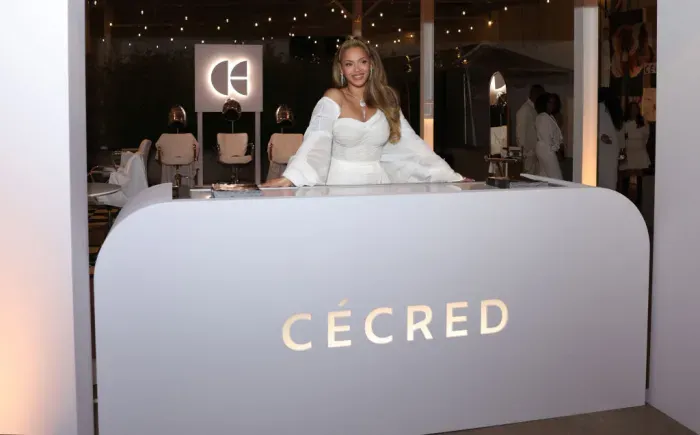
Why it works: Modern influence is network-based, not individual.
16. Pepsi x Blackpink
Pepsi creates a global, social-first campaign with Blackpink.
Why it works: Built for distribution across platforms from the start.
17. American Eagle x Travis Kelce
A campaign driven by cultural timing and momentum.
Patrecia Meliana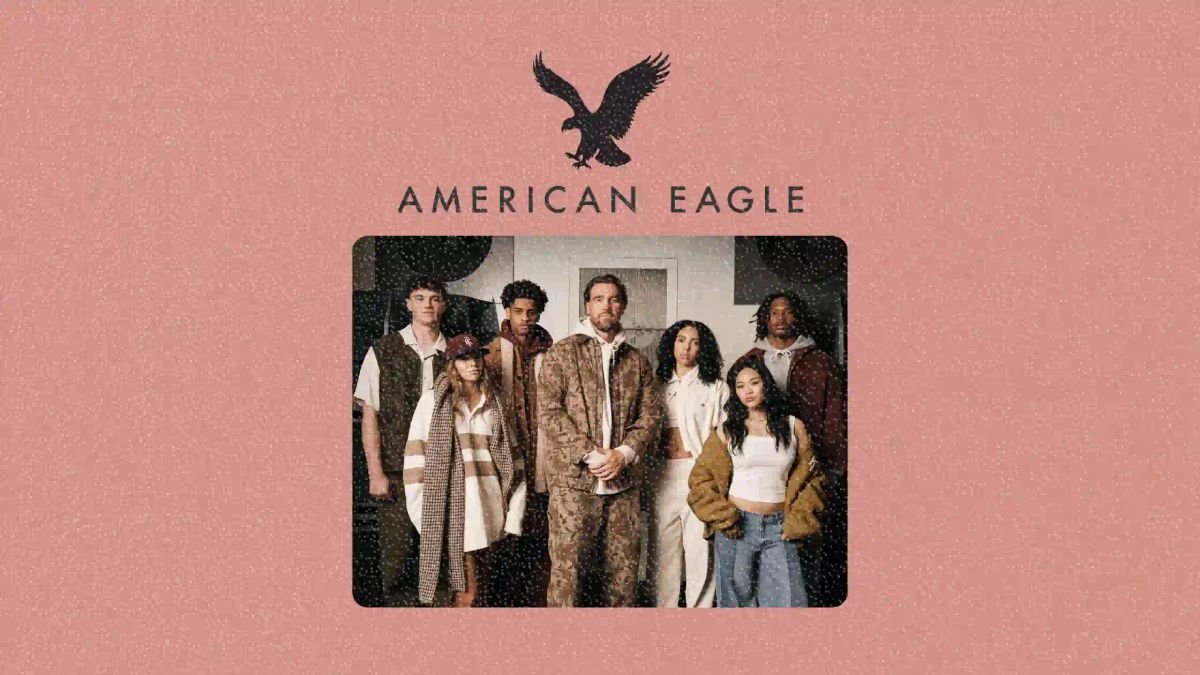
Why it works: Relevance often depends on when, not just who.
Patrecia Meliana
What marketers should know about celebrity marketing today
These campaigns point to a broader shift in how influence works.
1. Fit matters more than fame
The strongest campaigns, like Ray-Ban x Jennie or Colgate x IU, succeed because the celebrity already embodies the brand’s positioning.
2. Control is shifting to the creator
Levi’s x Beyoncé shows that giving creative control can produce more culturally resonant outcomes than tightly scripted campaigns.
3. Experience beats exposure
PUBG Mobile and Nongshim demonstrate that embedding celebrities into the product or experience drives deeper engagement.
4. Distribution is part of the strategy
Pepsi x Blackpink and M&M’s x ILLIT highlight that campaigns are now built for social-first distribution from day one.
Patrecia Meliana
Celebrity marketing is not fading, but it is evolving fast. The campaigns that work today are not about visibility alone. They are about alignment, integration, and cultural timing.
For marketers, the takeaway is clear: the question is no longer “which celebrity should we work with?” but “how does this person fit into our product, story, and audience ecosystem?”
The brands that answer that well are the ones turning celebrity partnerships into real business impact.