
BBC turns 2 shows' credits into Blue Planet III ocean stunts
BBC Creative brings an octopus and dolphin into two shows' credits ahead of Blue Planet III, using familiar TV endings as a marketing device.


The final moments of a familiar TV programme usually signal that it is time to move on. Credits roll, the music changes and viewers know the show has ended. The BBC has been making that predictable moment a little less predictable by sending unexpected wildlife into the picture.
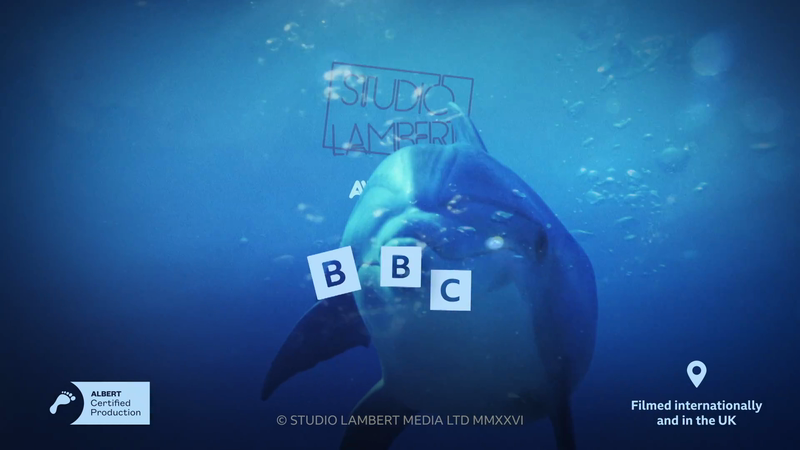
In the days leading up to Blue Planet III, the new ocean documentary narrated by Sir David Attenborough, an octopus appeared in the closing graphics of EastEnders. A dolphin then disrupted the credits of Celebrity Race Across the World. Instead of asking people to watch another nature trailer, the broadcaster let the creatures interrupt programmes they were already watching.
Table of contents
Jump to each section:
- How the sea creatures took over BBC credits
- Why familiar shows make the surprise work
- Blue Planet III arrives amid an authenticity debate
- What this means for entertainment marketers
How the sea creatures took over BBC credits
The first interruption came after Tuesday's EastEnders episode. The soap's recognizable end-card, normally an unmistakable cue that the drama has finished, became the setting for an octopus invasion. The familiar graphics were suddenly part of a different programme's world.
As described in Little Black Book's October 29 coverage, BBC Creative made ordinary end-credit sequences behave as if marine animals had escaped into the broadcast. Underwater sounds interrupt the usual soundtrack. Graphics fly out of place. The joke is built into the format viewers expect to see.

On Wednesday, the credits of Celebrity Race Across the World got their own visitor: a playful dolphin. The use of two different shows matters because the format remains recognizable while the interruption changes. The campaign is not just a repeated trailer pasted onto separate programmes.
The broadcaster also teased another surprise in Saturday's Strictly Come Dancing credits, describing what is coming as potentially more electrifying. That was still a preview at the time of the October 29 report, rather than evidence that a third interruption had already aired.
BBC Creative led the idea, with Pictureshop credited in production. The promotion works inside the BBC's own programming environment and draws attention to its next major natural-history series, which begins on BBC One and iPlayer on Sunday, November 1.

Why familiar shows make the surprise work
An end-card is part of a television show's identity. For someone who watches EastEnders regularly, the closing graphic is an expected ritual; its consistency is precisely what gives an unusual visitor something to interrupt. The sea creature becomes the punchline because it is out of place.
The setup also makes the creative understandable without requiring viewers to have seen any earlier Blue Planet III advertising. An octopus invading a soap's credits is an odd sight on its own. Knowing that a major ocean series is approaching adds the explanation.
There is a difference between promoting a programme during an ad break and changing the frame of another programme to promote it. A conventional trailer announces itself as separate content. Here, the strange part happens at the edge of something familiar, making the campaign feel like a brief extension of that broadcast rather than a separate commercial.
The specific crossover matters, too. EastEnders brings a well-known British drama identity; Celebrity Race Across the World has its own recognizable programme format; Strictly is another major entertainment property. The sea creatures provide the connecting thread across very different shows.
The approach is bounded by the broadcaster's control over its own schedule, graphics and programme marketing. A consumer brand buying commercial airtime does not automatically have the same opportunity to alter the surrounding show. The BBC is using an asset it already has: the audience's familiarity with its programme endings.
Blue Planet III arrives amid an authenticity debate
The credits campaign arrives in the same week as a more serious conversation about the documentary itself. In an October 24 Guardian report, Blue Planet III's producers said they were keeping some less polished underwater footage to emphasize that the extraordinary animal behavior on screen is authentic, rather than created with generative AI.
BBC specialist factual commissioning head Jack Bootle said no generative AI was used to create a frame of the documentary. That statement concerns the natural-history footage, not the promotional sea creatures inserted into existing television end credits, which are an obviously designed visual intervention.
The contrast is useful. The series itself is asking viewers to marvel at real marine-life behavior; the marketing uses playful impossibility to invite them to watch. One belongs to documentary truth. The other belongs to creative storytelling about what the show promises.
The six-part series is produced by BBC Studios' Natural History Unit. An earlier BBC America and BBC Studios announcement described a separate promotional trailer with an original track featuring JADE, Hans Zimmer and Bleeding Fingers Music. That is a more conventional way to turn the documentary's visual scale and soundtrack into an event.
The credits takeover does something different: it borrows a few seconds of attention from programmes audiences already know. It has no need to explain technical filming achievements, and it does not have to tell the whole story of the oceans. It only needs to make marine life feel suddenly present in an unexpected place.
The UK launch is set for November 1 on BBC One and iPlayer. Distribution timing differs elsewhere; regional coverage says BBC Earth broadcasts begin November 2 in Singapore. This particular Deep Credits stunt is UK-specific in the reporting and should not be mistaken for a global television takeover.
What this means for entertainment marketers
A promotional interruption inside a show's credits raises a question for entertainment marketers: can the marketing become a small piece of the experience rather than a message that sits outside it?
- Borrow a moment people already recognize. The EastEnders end-card and familiar credits make the visual change legible immediately. The creative depends on a stable convention being interrupted, not on making viewers learn an entirely new one.
- Keep the crossover connected to the new property. Sea creatures emerging from the graphics fit a documentary about ocean life. A random joke in the same spot would have surprise value but would tell viewers less about what is coming.
- Change the interruption with the host programme. The octopus in EastEnders and dolphin in Celebrity Race Across the World are different gags within one creative idea. That gives the campaign flexibility without losing its recognizable pattern.
- Distinguish attention from measured impact. The October 29 report identifies the creative and the programmes carrying it, but it does not disclose incremental viewing, awareness lift or campaign performance data. Whether the interruption prompted more people to watch Blue Planet III is not established.
The approach has a useful comparison outside broadcast television. A recent Warner Bros. promotion for The Cat in the Hat invited audiences to experience the film's personality through an Amazon mobile game and Alexa interactions. Both take traits of the promoted title and put them into another established environment. The BBC uses an existing on-air habit, while the film campaign uses existing digital behaviors.
That distinction matters because the best crossover fits how people already use a medium. Television viewers recognize credits; phone users can play a short game. The idea is not that every programme should interrupt another programme, or that every film needs a mini-game.
The transferable lesson is to notice where familiarity gives surprise meaning. In this campaign, an octopus, a dolphin and the normally uneventful final seconds of a show are enough to suggest that a different kind of screen adventure is coming.
