Betway set to become Manchester United’s principal partner from 2026/27
Betway becomes Manchester United’s principal partner from 2026/27, moving branding to training kits and matchday placements under new shirt rules.


Football sponsorships are starting to look different in the Premier League, especially with front-of-shirt betting logos being phased out from 2026/27. That rule change does not reduce the commercial appetite, it just shifts where brands show up and how they try to earn attention from fans.
In that context, Betway will become Manchester United’s official principal partner and exclusive global betting partner starting in the 2026/27 season, with its logo appearing prominently on training kits for both the men’s and women’s teams. The company outlined the partnership details in an official announcement.
Table of contents
Jump to each section:
- What the Betway x Manchester United deal includes
- Why the 2026/27 shirt sponsorship ban changes the playbook
- How betting brands are reframing “visibility” as fandom access
- What this means for sports marketers and sponsorship teams
What the Betway x Manchester United deal includes
Betway (a Super Group brand) signed a multi-year sponsorship agreement with Manchester United that begins with the 2026/27 season. The deal makes Betway the club’s official principal partner and exclusive global betting partner.
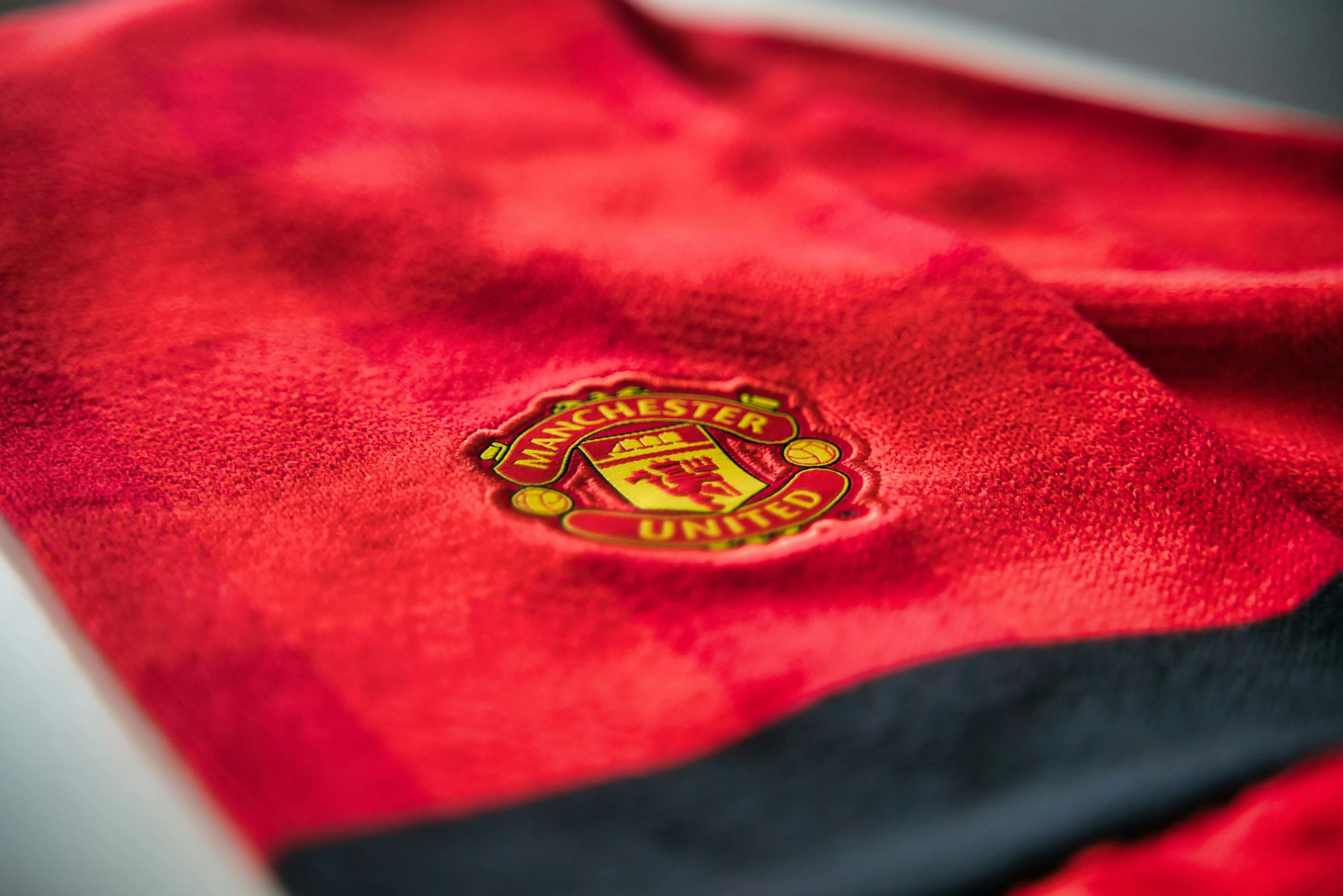
Rather than the front of the match shirt, Betway’s branding will feature on training kits worn by both Manchester United’s men’s and women’s teams. The partnership also includes matchday visibility at Old Trafford and at the club’s training base, named in the source material as the Progress with Unity Stadium.
For supporters, the deal is positioned around “enhanced engagement opportunities,” including exclusive competitions and experiences. Betway also said it will provide safer gambling resources to Manchester United players, staff, and fans, including training and guidance on responsible gambling and betting integrity.
Financial terms were not formally disclosed in the provided materials, but United sources cited by the New York Times estimated the partnership could be worth more than £18 million (about $23 million), framing it as one of the most expensive deals of its kind in football for a single partner.
 ContentGrip
Why the 2026/27 shirt sponsorship ban changes the playbook
The most immediate constraint shaping this partnership is the incoming voluntary ban on front-of-shirt gambling sponsorship in the Premier League starting in 2026/27. For betting brands, that removes the most traditional premium placement, but it does not remove the need for visibility or the business case for sponsoring elite clubs.
Instead, deals are likely to lean harder on:
- training apparel, where logos can be consistently present in content, press photography, and behind-the-scenes footage
- in-stadium and matchday placements, where broadcast and social clips create repeat exposure
- “experience inventory,” where sponsors try to turn access into something fans actively want to win, share, or talk about
In practical terms, the ban nudges sponsorship strategy away from one iconic asset (the shirt front) toward a portfolio of assets that work best when paired with content and fan participation.
How betting brands are reframing “visibility” as fandom access
Manchester United’s commercial pitch is its global fanbase, and Betway leadership explicitly highlighted alignment with key markets, particularly Africa. In sponsorship terms, that is less about being seen by “general audiences” and more about showing up in the places where fans already spend attention.
That is why training-kit branding can matter. Training photos and videos travel widely across club channels, sports media, and fan communities, and they often feel more intimate than matchday shots. For sponsors, that proximity can be the difference between passive logo exposure and being part of the team’s everyday visual identity.
The partnership’s emphasis on exclusive competitions and “once-in-a-lifetime experiences” fits the same logic: brands are trying to buy something fans cannot easily get elsewhere. When access becomes the reward, the sponsor becomes associated with the feeling of closeness to the club, not just with signage.
There is also a risk-management layer here. Betway’s inclusion of safer gambling resources and training suggests betting sponsors are increasingly expected to show responsible gambling posture as part of the relationship, not as a separate add-on.
What this means for sports marketers and sponsorship teams
Sponsorship value in top football is being renegotiated in public, with regulation shaping what inventory is even available. This deal is a clean example of how brands may adapt without relying on the shirt-front shortcut.
- Training kits are becoming a primary brand surface
With match shirts restricted for betting sponsors, training apparel becomes a key place to “live” in club content and day-to-day visuals. - Fan experiences are replacing pure media exposure as the headline benefit
Competitions and unique access are not just perks. They are the mechanism that turns sponsorship into something fans opt into. - Global reach is being sold market-by-market, not just as a single number
Betway’s focus on Africa underscores how sponsors increasingly evaluate clubs through regional strength and distribution, not only overall fandom size. - Women’s team inventory is now standard in major partnerships
The deal explicitly covers both men’s and women’s training kits, which changes the content plan, audience mapping, and brand-safety considerations. - Responsible gambling messaging is moving closer to the core sponsorship package
Including safer gambling resources and training signals a shift toward partnerships that bake in compliance and education as part of the brand presence.
The broader takeaway is that sponsorship is becoming less about a single “most visible” placement and more about designing repeatable moments across channels, training grounds, and fan touchpoints. For marketers, the teams that win will be the ones that treat sponsorship as an always-on content and community system, especially as rule changes reshape what can be shown on the biggest stage.