
Dove returns to the US Open with “Don’t Sweat It. Make A Racket.”
Dove’s US Open campaign mixes OOH, fan interviews, and refresh spaces, linking sweat and “no white marks” to tournament style.

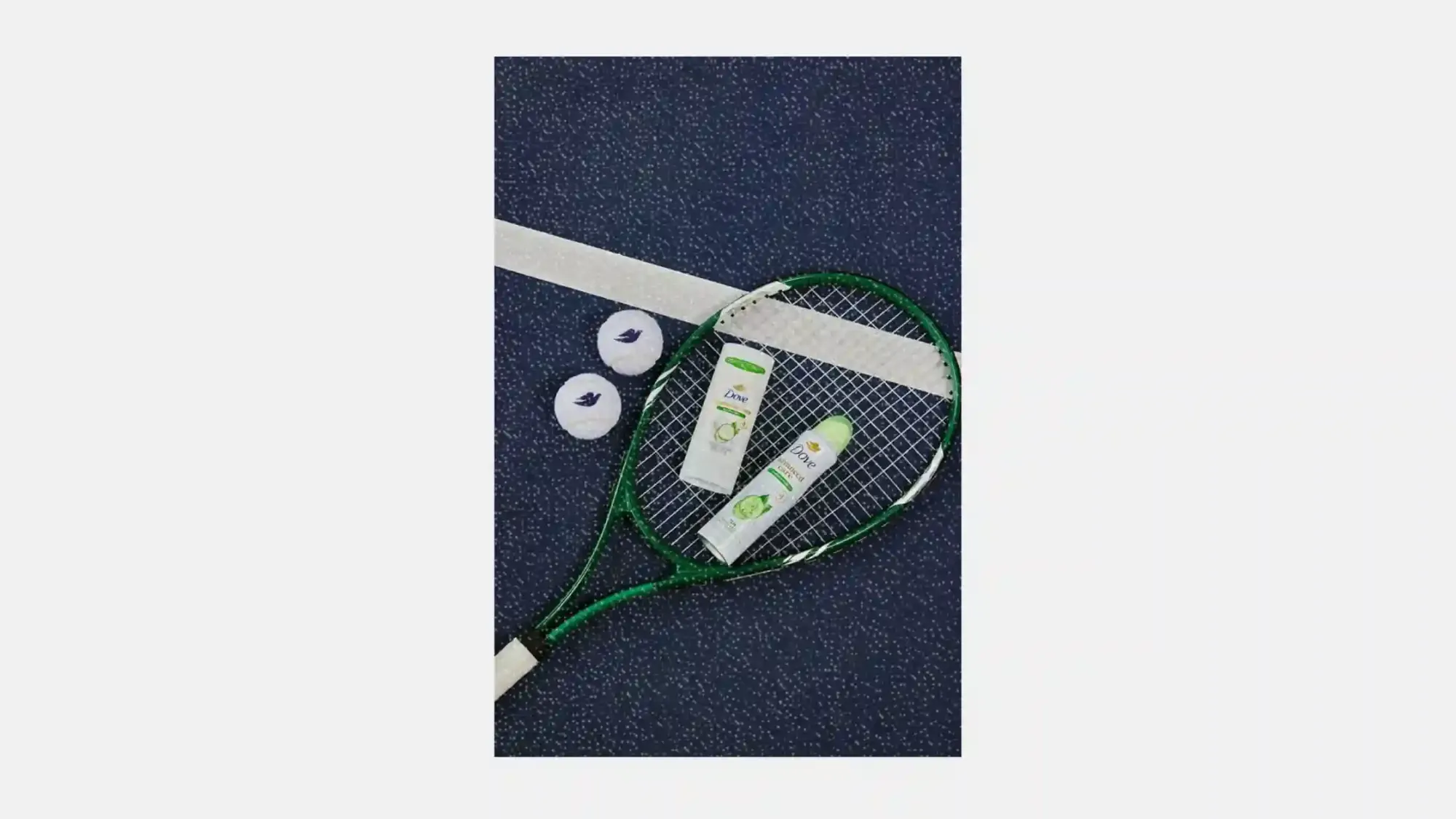
There’s a very specific kind of summer confidence that shows up at the US Open: the outfit is part of the event, the heat is part of the story, and everyone is doing a little mental math about how they will look in photos after hours of sun, crowds, and cheering.
Dove is leaning directly into that reality in its second year as the Official Underarm Sponsor of the US Open, tying product performance to the tournament’s style-and-fan-culture energy through its “Don’t Sweat It. Make A Racket.” platform.
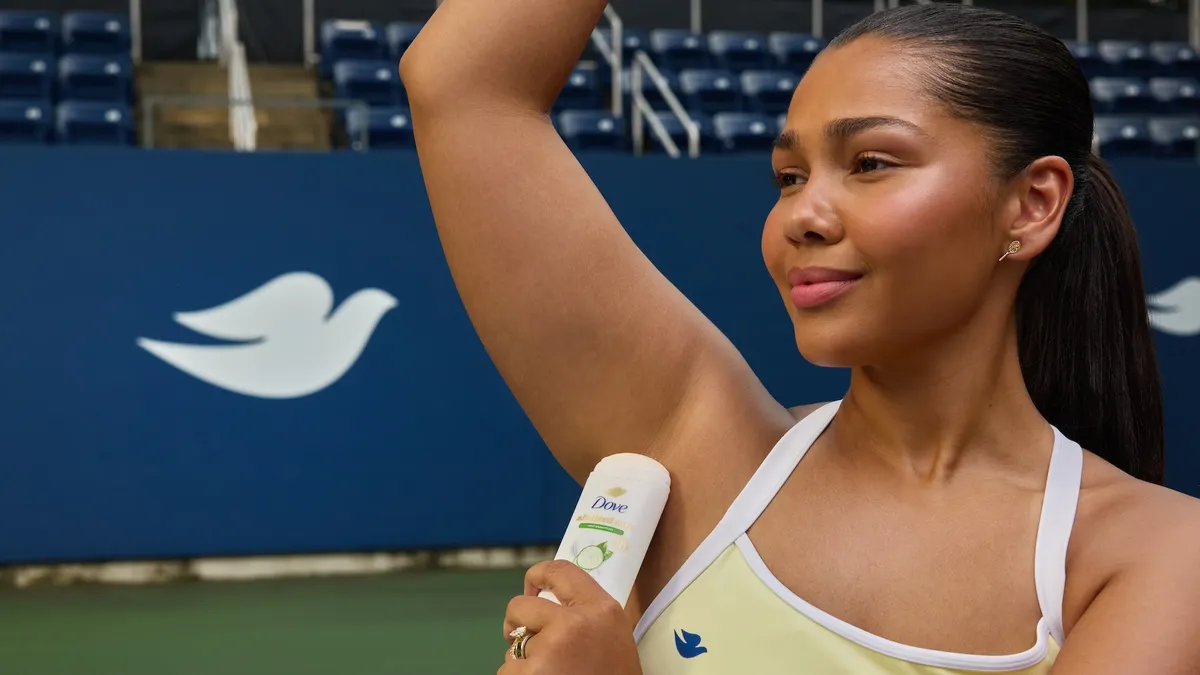
Table of contents
Jump to each section:
- Why the US Open has become a style-and-fan-culture moment
- What Dove’s “Don’t Sweat It. Make A Racket.” includes
- The product story: sweat, white marks, and what people notice
- What this means for marketers
Why the US Open has become a style-and-fan-culture moment
The US Open is one of those sports events where spectators don’t just “attend,” they participate. What you wear, how you handle the late-summer heat, and whether you look put-together in candid photos becomes part of the shared experience, not just background noise.
That makes it a natural setting for a personal care brand to show up in a way that feels less like a generic logo placement and more like a solution to a real, relatable problem: feeling comfortable and confident while you’re sweating through the hottest part of the season.
 ContentGrip
What Dove’s “Don’t Sweat It. Make A Racket.” includes
Dove’s second-year program mixes content, out-of-home ads, and in-person experiences around the tournament, with a clear emphasis on style, self-expression, and fan rituals.
Key elements include:
- Photography partnerships focused on tournament looks: Dove teamed with photographers Tyrell Hampton and Johnny Criollo (of Watching New York) to capture styles and trends around the US Open.
- A fan interview social series: “Racquet Report,” created with the USTA, features comedian Carly Aquilino interviewing fans on the ground about what makes the US Open feel different.
- On-site refresh moments: Dove is setting up a refreshment space at the USTA Billie Jean King National Tennis Center where attendees can touch up and take photos.
- Watch-party energy beyond the stadium: For the Women’s Finals, Dove is opening tabs at 10 women-owned bars around the U.S., covering complimentary food and drinks.
The product story: sweat, white marks, and what people notice
The brand isn’t trying to pretend sweat is avoidable. It’s framing sweat as part of the experience, then positioning antiperspirant as the thing that lets people keep their focus on the match, the outfit, and the photos.
Two product claims sit at the center of the message:
- Underarm protection in peak heat, tied to the timing of the tournament during an unusually hot summer season.
- Confidence around clothing, especially the “no white marks” benefit tied to Dove Invisible, which is positioned as a behind-the-scenes “base layer” for match-day outfits.
This is a subtle but important creative choice: instead of making underarms a “problem” to hide, it treats them as a normal part of being out in the world, and makes the payoff about self-assurance and style.
What this means for marketers
Sports sponsorships work best when they attach to the way people actually experience the event, not just the broadcast.
- The most effective sponsorship angle is often a human inconvenience
Heat, sweat, and outfit anxiety are not lofty brand platforms, but they are real. Dove’s approach shows how a practical product story can feel culturally relevant when it mirrors what fans are already dealing with. - Style content is a participation engine, not a side quest
By documenting looks and trends around the tournament, Dove is tapping into a behavior that already exists at the US Open: people watch the crowd as much as they watch the court. That makes the content feel like part of the event, not an ad break. - On-the-ground “refresh” moments are designed for photos, not foot traffic
A space to touch up and take photos is an experiential idea built around what attendees will actually do. The brand earns visibility when people document themselves, not when they stand in line for a sample. - Local watch-party tie-ins can extend a tentpole without diluting it
Opening tabs at women-owned bars turns the Women’s Finals into a communal moment in more cities, while keeping the campaign aligned with women’s sports momentum and social gathering behavior.
Underneath all the mechanics, the real signal is how brand presence is shifting from “sponsor visibility” to “fan usefulness.” If a campaign can make people feel more comfortable participating in a cultural moment, they’ll remember the brand for the feeling it enabled, not just the signage they walked past. That’s especially true in events like the US Open, where the audience experience is increasingly co-created through outfits, photos, and the social layer around the sport.
When personal care brands show up in sports, the win is not proving they belong in athletics. The win is proving they understand the crowd.