
Brands console England fans after Argentina’s World Cup semi-final win
England lost 2-1 to Argentina, and brands responded with humour, pride, and creator-led coverage. Here’s what landed and why tone mattered.


The morning after a painful knockout loss is its own kind of internet ritual. Fans scroll for coping mechanisms, group chats turn into therapy sessions, and the timeline fills with the specific humour that only shows up when hope has just been cancelled.
In that emotional window, England brands moved quickly, not to force a “silver linings” storyline, but to meet people where they were: a mix of pride, grief, sarcasm, and the need to laugh at something. The brands that landed best were the ones with a tone people already recognise, and a reference people already feel.
England’s exit came after a 2-1 semi-final defeat to Argentina, and the brand responses ranged from sincere encouragement to full chaos mode. The roundup of posts was also shared in an official announcement.
Table of contents
Jump to each section:
- Why “commiseration marketing” works when emotions peak
- How brands used TV, nostalgia, and tone to match fan mood
- Creators and fan zones: JD Sports’ atmosphere-first approach
- What this means for marketers
Why “commiseration marketing” works when emotions peak
There is a narrow moment right after a sporting loss where people are still online, still processing, and still looking for something that feels human. That is why the best brand posts after a defeat do not try to flip the mood. They validate it.
This is also why references matter more than polish. A clip from a sitcom, a familiar character in an England shirt, or a simple “you did us proud” can feel more respectful than a generic “keep going” graphic. Fans are not asking for motivation. They are asking for recognition.
For brands, this is a high-risk, high-reward space. If the tone is off, it reads like opportunism. If it is on, it reads like community participation, because it mirrors how fans already talk to each other.
 ContentGrip
How brands used TV, nostalgia, and tone to match fan mood
Some of the sharpest responses leaned on culture that already carries emotional shorthand.
BBC’s approach was to find a fitting moment from sitcom ‘Amandaland’ that captured the collective feeling of defeat, turning the post into a shared “this is literally me” reaction rather than a corporate message.
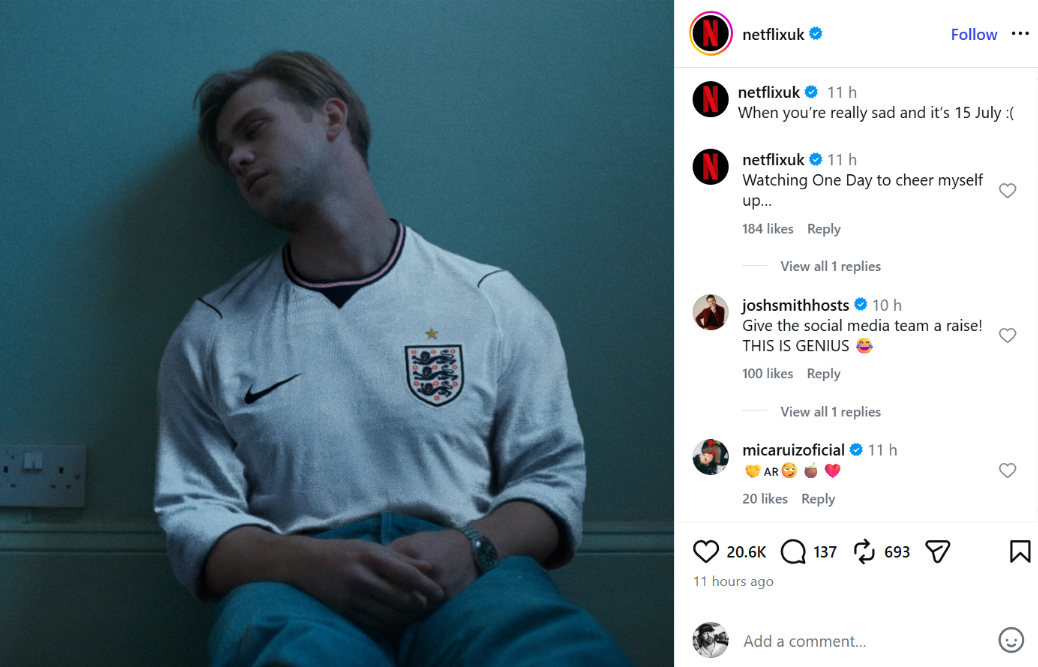
Netflix took a similarly culture-led angle, linking the moment to its 2024 David Nicholls adaptation ‘One Day’ (with each episode set on July 15, St Swithin’s Day). It is a very “online editor brain” connection, but that is why it works: it feels discovered, not manufactured.
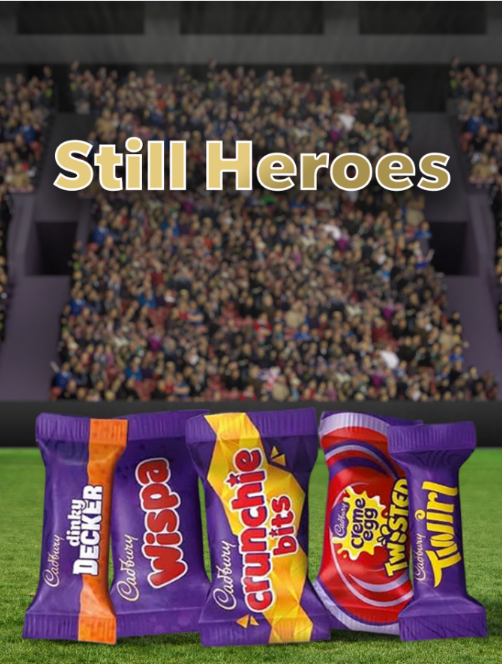
Cadbury and Co-op leaned into the softer side of fandom behaviour: letting supporters feel proud without pretending it did not hurt. That “the boys done good” tone can be risky if it feels forced, but it tends to land when it matches how fans want to speak about their team in public.
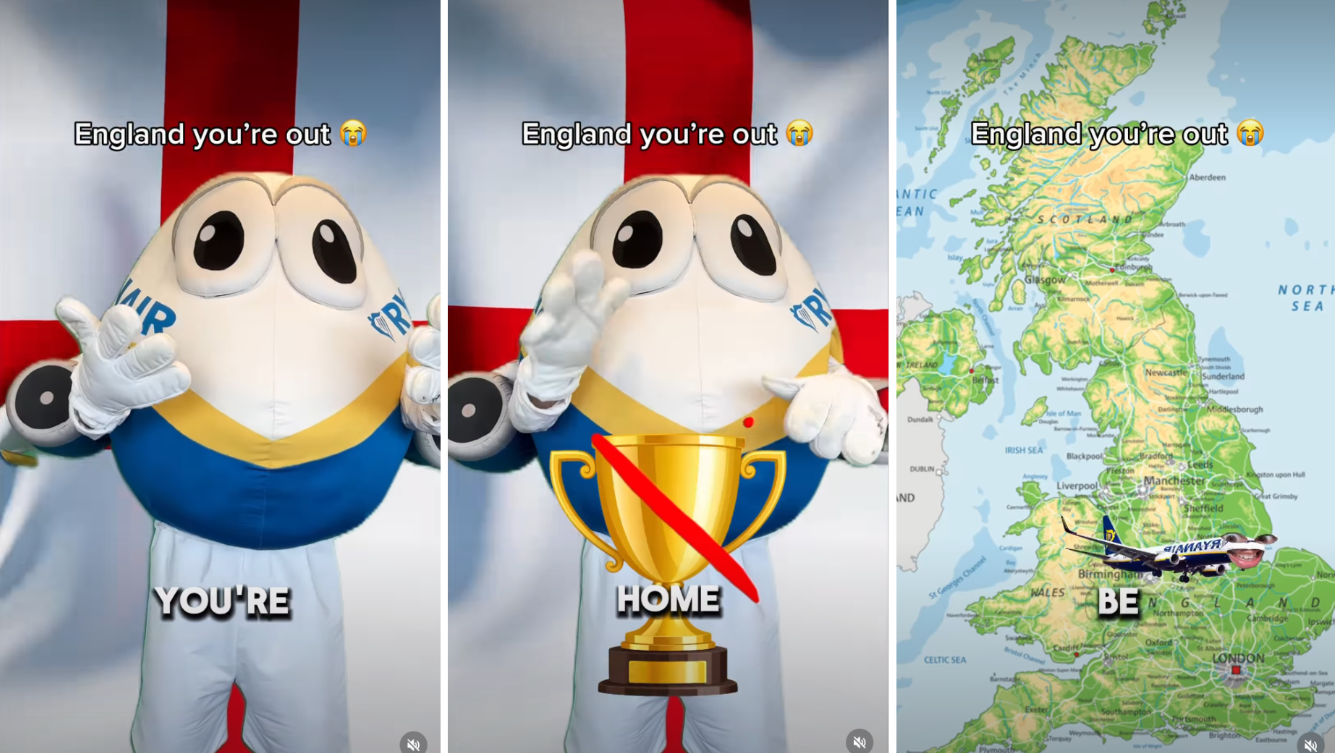
Other brands showed how much tone-of-voice equity matters. Yorkshire Tea’s style is built for humour in lowlights, while Ryanair’s mascot-style abrasiveness is designed to polarise and get quoted. Even when the message is a little rude, it can still be “on brand” enough that people treat it like entertainment, not intrusion.
Creators and fan zones: JD Sports’ atmosphere-first approach
While many responses were single posts, JD Sports’ approach across the tournament was more like ongoing fan documentation. It focused on access to stadium atmosphere through creator @Jensennotbutton (Jensen Adeyanju), and on the night of the loss also highlighted a Manchester fan zone via @Pempshizzlekay.
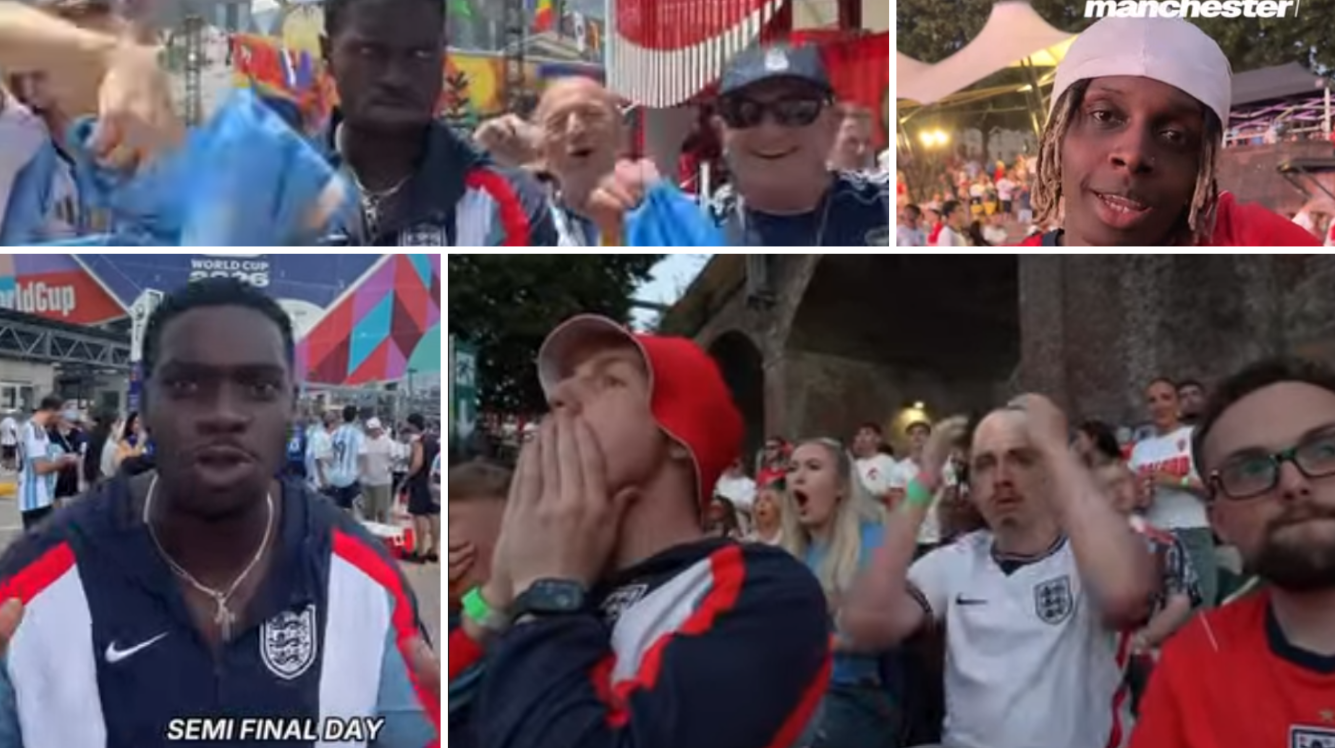
That style of coverage matters because it treats fandom as lived experience, not just a punchline after the result. When the highs are high and the lows are crushing, the content still feels consistent because it is anchored in the same thing fans care about: being there, or feeling like you are there.
It is a useful reminder that creator-led sports content is not only for celebration. If a brand’s relationship with the audience is built on presence and perspective, it can hold up even when the story ends badly.
What this means for marketers
There is a reason post-loss brand content can travel faster than victory content. It is not about “winning the moment.” It is about earning a place in how people process the moment.
- Match the emotion before you add a message
The strongest posts did not try to change the mood. They reflected it. That is what makes a brand feel like part of the crowd, not above it. - Cultural references are shortcuts to shared understanding
A sitcom clip or a character visual can communicate “we get it” instantly. But only when the reference is widely legible and the brand is not forcing the joke. - Tone-of-voice equity is your real permission slip
Yorkshire Tea can be funny in defeat because people expect it. Ryanair can be cheeky-bordering-on-rude because the mascot persona sets that expectation. Without that history, the same lines would read as disrespect. - Supportive posts work when they give fans something to do
Congratulatory messaging from brands like Co-op gives supporters a socially acceptable way to switch from despair to pride, and to do it together. - Creator coverage should not disappear when the ending hurts
If a brand’s sports presence is built around fan experience, it can carry through a loss by staying focused on atmosphere and community, not forced optimism.
The bigger cultural signal here is that fandom is not just attention, it is identity work in public. When a team loses, fans still need to perform belonging: through humour, references, rituals, and small acts of solidarity.
For marketing teams, that means “real-time” is not the goal. Emotional accuracy is. If a brand understands how its audience grieves, jokes, or regroups, it can show up in a way that feels like participation, not promotion. And in sports culture, that difference is everything.