
BTS’s Google Gemini advert draws backlash from some fans online
Some fans criticised the BTS x Google Gemini advert online, framing the partnership as an AI values issue and amplifying the debate through X posts.


When a fandom feels like it has moral stakes, ads stop being just ads. They become a referendum on values, and the comment section turns into the battleground. That’s the energy around the BTS x Google Gemini advert, where some fans have been openly critical of the partnership and what it represents.
GOOGLE GEMINI X BTS pic.twitter.com/A0X2dFPNfR
— hope⁷ (@winnttaebear) August 10, 2026
BTS is at the centre of the conversation because the advert promotes Google Gemini, and the backlash described in online posts focuses on opposition to AI. The advert itself was shared online by fans via an X post.
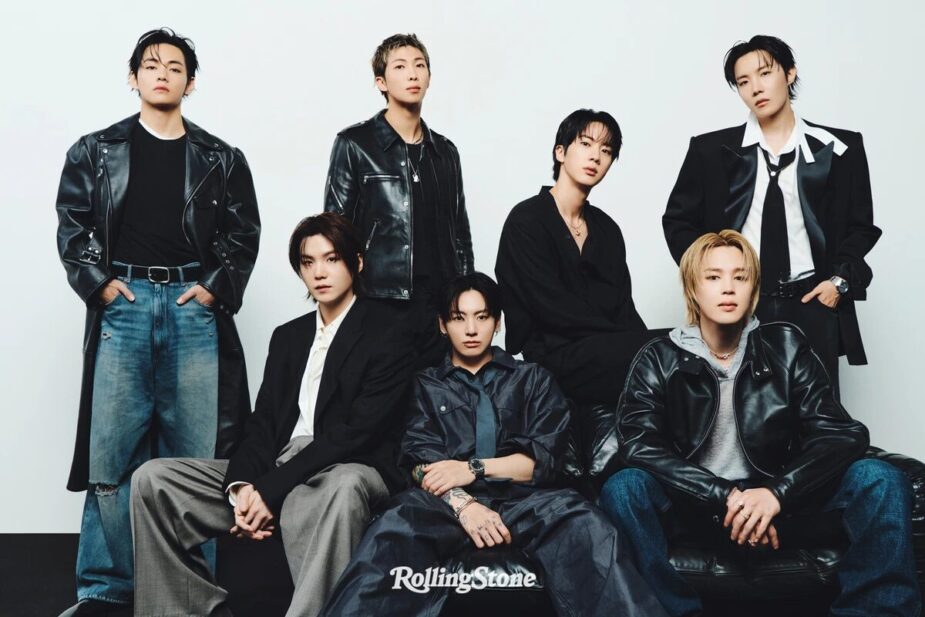
Table of contents
Jump to each section:
- Why the backlash matters in fandom culture
- What’s actually driving the criticism
- How brand partnerships become identity tests
- What this means for marketers
 Patrecia Meliana
Why the backlash matters in fandom culture
Fandoms don’t just follow artists, they build communities with shared norms. That’s why partnerships can land differently here than in traditional celebrity ads. If fans feel a collaboration conflicts with the community’s values, the reaction can be immediate and public, because fandom spaces are already organised for fast discussion and amplification.
In this case, the criticism shows up as direct anti-AI sentiment tied to the collaboration. The tone in the shared posts is not “this is cringe,” it’s “this is harmful,” which is a much harder perception for any brand to manage once it sets in.
if a cool ad is enough to get you guys to overlook that the product they are advertising is on track to destroy the planet, then i don't even know what to tell you. no, it is not useful. no, google gemini can't and won't be used for good. i hate this. #ARMYAgainstAI https://t.co/nLECMlbew3
— carol⁷⊙⊝⊜💜 (@S0PE_mp3) August 11, 2026
What’s actually driving the criticism
The criticism described in the extracted material focuses on opposition to AI, with commenters framing the product itself as the problem rather than the ad’s creative quality. Multiple posts express anger at the partnership and push the hashtag #ARMYAgainstAI.
fuck this shit #ArmysAgainstAi https://t.co/JwxfyhwJMN
— ari⁷ (@k_rkkvon) August 11, 2026
The advert was circulated by fans through an X post, functioning like a distribution channel outside of official brand media. Placing the ad into fandom timelines means it gets judged by fandom context first, not by marketing intent.
 ContentGrip
How brand partnerships become identity tests
In online communities, especially large fandoms, participating in discourse is part of identity. Sharing, liking, or defending a partnership can read like taking a side. That dynamic can escalate quickly when the topic is something polarising, because people are not just reacting to the brand, they’re reacting to each other.
A useful way to interpret this is: the partnership isn’t only a message from Google and BTS to fans. It’s also raw material for fans to signal what kind of community they want to be, and what they want their artists to represent.
What this means for marketers
When the audience is a community, perception spreads through social norms, not just reach. If a partnership touches a controversial topic, the campaign conversation can become value-driven and fast-moving.
- Assume fan redistribution changes the context
Ads shared by fans land in timelines alongside personal opinions, not alongside brand framing. That can amplify both excitement and criticism. - Creative quality can’t offset product-level objections
The posts here argue against AI itself. If the objection is foundational, better storytelling does not automatically solve it. - Community norms shape “brand safety” in real time
In fandom spaces, what’s acceptable is negotiated publicly. Marketers should treat that negotiation as part of the campaign environment, not as noise after the fact. - Partnerships can create internal audience conflict
When fans disagree, the discourse becomes interpersonal. That can keep the story alive longer than a typical ad cycle, because people are responding to each other.
The wider cultural signal is that celebrity partnerships increasingly operate inside participatory communities that see themselves as stakeholders. For marketing teams, that means planning not only for attention, but for interpretation. When the topic is contested, the “campaign” can quickly become a community debate about values, identity, and what support is supposed to mean.