Fandom now punishes brands that only buy placement
Fandom marketing is shifting from rented visibility to earned participation. Brands need roles, rights, and measurement models that prove value beyond placement.

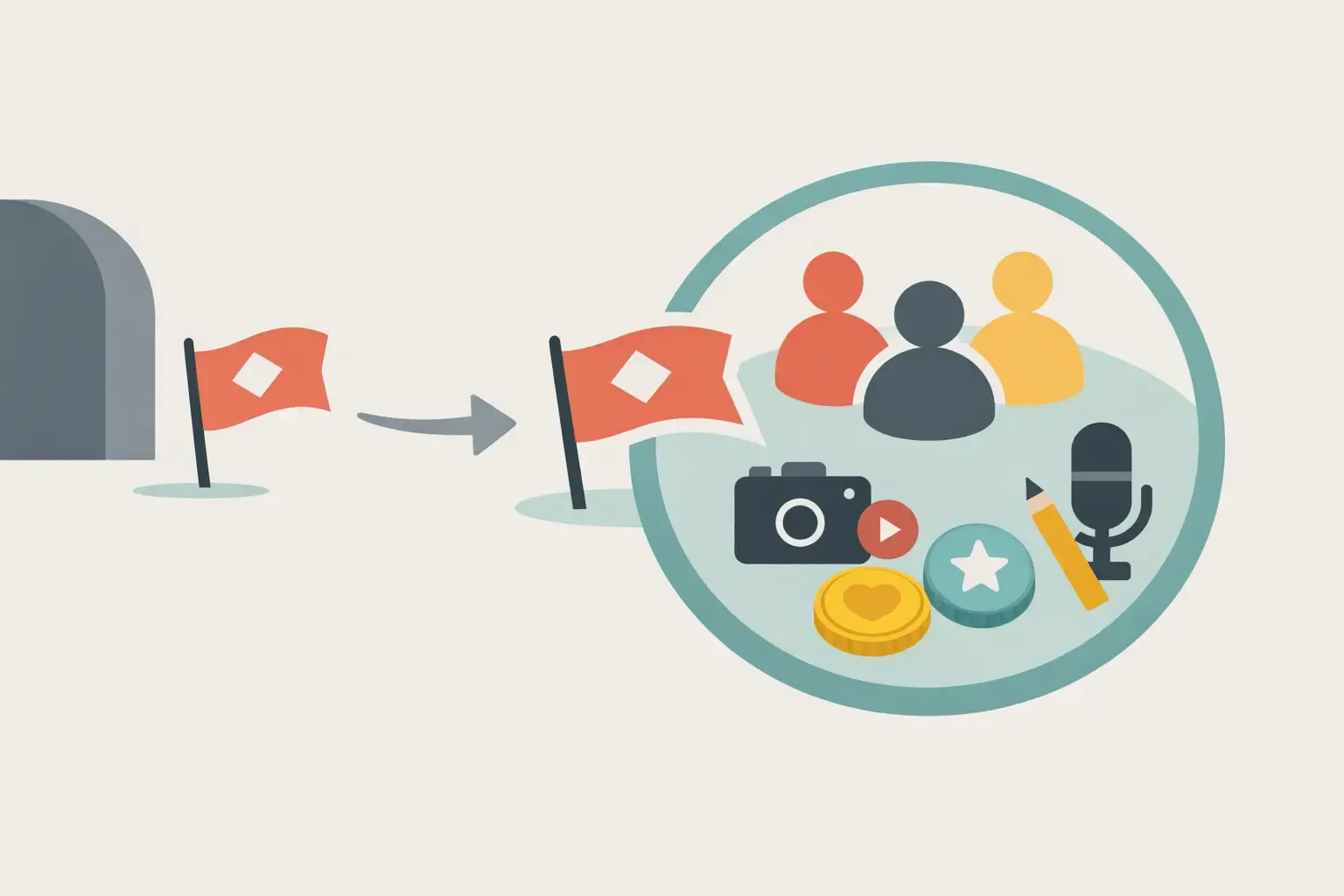
Fandom has become a participation economy, not a media adjacency. That distinction matters because many brands are still treating sports, gaming, entertainment IP, and creator communities as places to place campaigns, when the commercial value increasingly comes from earning a useful role inside fan behavior.
The old model was simple: buy the rights, secure the logo, borrow the attention, and measure reach. The newer model is less forgiving. Fans are not only watching the main event. They are commenting on it, remixing it, buying around it, joining side communities, and deciding whether a brand made the experience better or merely interrupted it.
That is why recent brand activity around gameplay, World Cup campaigns, entertainment collaborations, and creator ecosystems should not be read as a creative trend alone. It is an operating shift. Marketing teams now need participation rights, community fluency, creator alignment, and measurement logic that can prove value beyond borrowed visibility.
Table of contents
Jump to section:
- Why placement is losing power
- The new job is to earn a role
- Participation creates new measurement pressure
- Where brands should say no
- How to build a fandom operating model
Why placement is losing power
The media logic around fandom is fragmenting. A fan may discover a show through a creator clip, follow reaction content for weeks, buy merchandise through a social feed, join a Discord thread, watch the official release later, and then spend more time with fan commentary than with the original asset. The marketer who only measures the official media buy sees a partial map.
Deloitte's 2026 Digital Media Trends makes this visible. It found that 73% of Gen Z fans discover new entertainment content primarily through social media, while 44% of fans discover on social and then go elsewhere to watch, listen, or buy the full version. That path is valuable, but it is also hard to attribute if the brand only tracks owned impressions or last-click commerce.
The same report found that roughly half of fans use social media as their primary way to engage with fandom year-round between releases or seasons. That changes the job of marketing. The campaign is no longer only the launch window. The value sits in the connective tissue between the tentpole, the creator layer, the community conversation, and the transaction.
This is why EA Advertising's push into gameplay-native brand experiences is more than an ad product story. EA is selling access to environments where fans already play, compete, customize, and identify. The brand opportunity is not simply that a logo can appear inside a game. It is that a brand can become part of the activity if the integration respects the player experience.
Placement still has value. Stadium signage, broadcast overlays, sponsor boards, and creator ads can all work. The problem is treating placement as the strategy when fans increasingly evaluate whether the brand contributed to the ritual, the identity, or the shared language of the community.
The new job is to earn a role
The strongest fandom campaigns start with a role, not a media unit. A role answers a simple question: what does the brand help fans do that they already want to do?
That role can be expressive. It can help fans show identity through products, outfits, collectibles, skins, edits, rituals, or shared symbols. Live Nation's 2025 global fandom report, based on insights from 40,000 people across 15 markets, found that 77% of fans say the crowd makes them feel part of something bigger, while 79% say what they wear is part of that identity. For marketers, the point is not that every brand needs a concert strategy. It is that fandom often works through visible belonging.
The role can also be participatory. A brand can give fans tools, challenges, prompts, creator formats, limited products, or experiences that extend the world they already care about. That is the logic behind Anua's KPop Demon Hunters collaboration, where the product launch is built around a fandom world rather than a standalone beauty claim.
Sports sponsors face a similar test. CLEAR Men's World Cup campaign is notable because it centers fans and rituals instead of making players carry the whole story. That matters because football culture is not only match footage. It is late-night viewing, lucky habits, group chats, kits, chants, local pride, and emotional stamina.
The commercial implication is sharper than the creative one. When a brand has a clear role, teams can decide what to build, what to measure, and what rights to negotiate. Without a role, marketers tend to buy assets that look impressive in a sponsorship deck but do not create behavior a team can sustain.
Participation creates new measurement pressure
Participation sounds softer than performance marketing, but it requires more discipline. If a brand is trying to become part of fan behavior, it needs a measurement model that captures more than paid reach.
At the top of the funnel, teams need to separate passive exposure from active participation. A view is not the same as a remix, a challenge completion, a creator response, a fan-made post, a saved product, or a community share. EA's launch materials show why this distinction matters: EA says its games and services reached more than 120 million monthly players during fiscal 2026, but the more useful advertiser question is what those players actually did when a brand entered the environment.
At the mid-funnel, teams need to measure whether fandom activity creates sharper consideration. Deloitte Digital's 2025 State of Social research found that 83% of consumers see influencers or creators they follow as trusted sources of information. The same research found that social-first brands report higher returns when they prioritize micro and mid-tier creators rather than treating creator strategy as a celebrity procurement exercise.
At the commerce layer, teams need to connect participation to product movement without flattening the community into a discount funnel. Deloitte's digital media research found that 30% of fans purchased merchandise related to their fandom in the previous six months. That is a meaningful signal, but it should not push every fan program toward short-term conversion. Some fandom value shows up as preference, repeat engagement, earned content, lower creative fatigue, or stronger launch readiness.
The measurement mistake is to use one KPI for all of this. Fandom programs need a portfolio of signals: participation quality, creator lift, community sentiment, product attach rate, first-party data growth, repeat engagement, and incremental revenue where test design allows it. If the measurement system cannot tell the difference between a bought impression and a fan action, the team will overfund visible inventory and underfund the behaviors that compound.
Where brands should say no
The participation economy does not mean every brand should chase every fandom. In fact, the risk of shallow participation is higher than the risk of sitting out.
The first reason to say no is lack of permission. If the brand has no credible connection to the behavior, object, language, or need-state inside the community, participation will feel like costume. Fans are usually tolerant of commercial presence when the brand adds utility or delight. They are less tolerant when the brand treats fandom as aesthetic borrowed from the outside.
The second reason is lack of operational patience. Fandom marketing is difficult to run as a one-and-done launch because the community conversation often peaks, mutates, and reappears outside the original calendar. A team that cannot moderate, respond, refresh assets, coordinate creators, or adapt product availability may be better served by a tighter sponsorship or media buy.
The third reason is rights mismatch. A brand may have paid for visibility but not the rights needed for participation, such as creator usage, interactive formats, co-created assets, product extensions, community events, or commerce integrations. This is where many programs break. The idea requires participation, but the contract only allows placement.
The fourth reason is weak measurement. If leadership expects a direct-response payback from a culture-led program, the campaign may be set up to fail before launch. That does not mean participation cannot drive revenue. It means the measurement design needs to match the role the brand is trying to play.
How to build a fandom operating model
Senior marketers should treat fandom as an operating model, not a creative wrapper. The work starts before the campaign brief.
Define the fan behavior first. Do not start with the asset you can buy. Start with the behavior the brand can support: watching, playing, dressing up, collecting, remixing, debating, sharing, traveling, learning, competing, or buying. The narrower the behavior, the easier it becomes to design a useful role.
Map the participation rights. Teams should separate visibility rights from participation rights during planning. Visibility rights answer where the brand can appear. Participation rights answer what the brand, creators, partners, and fans are allowed to make, alter, distribute, collect, unlock, or sell.
Build with community interpreters. Creators, fan admins, community managers, local market teams, and cultural strategists should not be decoration at the end of the process. They are risk sensors. They can tell a brand which jokes are tired, which rituals matter, which formats feel native, and where commercial behavior will be rejected.
Measure behaviors in layers. A useful fandom dashboard should not collapse everything into impressions. It should show attention, participation, advocacy, data capture, commerce, and retention separately. This helps leaders decide whether a program is building durable fan equity or just buying a temporary spike.
Keep an exit rule. Fandom can turn quickly. Brands need a clear rule for when to pause, apologize, modify, or leave a conversation. That is not pessimism. It is basic stewardship when a brand enters a community it does not own.
The practical lesson is not that every brand must become a fandom brand. It is that more growth moments now behave like fandoms: sports tournaments, creator-led product discovery, entertainment IP, gaming worlds, live events, and even B2B practitioner communities. In those environments, attention is not enough. The brand has to know what role it has earned.
Buying placement is still easy to understand. Participation is harder to procure, harder to govern, and harder to measure. That is exactly why it is becoming the more defensible advantage.

