OpenAI drops “Your Year with ChatGPT”
OpenAI just launched a year-in-review feature for ChatGPT. Here’s why it matters for AI adoption and brand engagement.

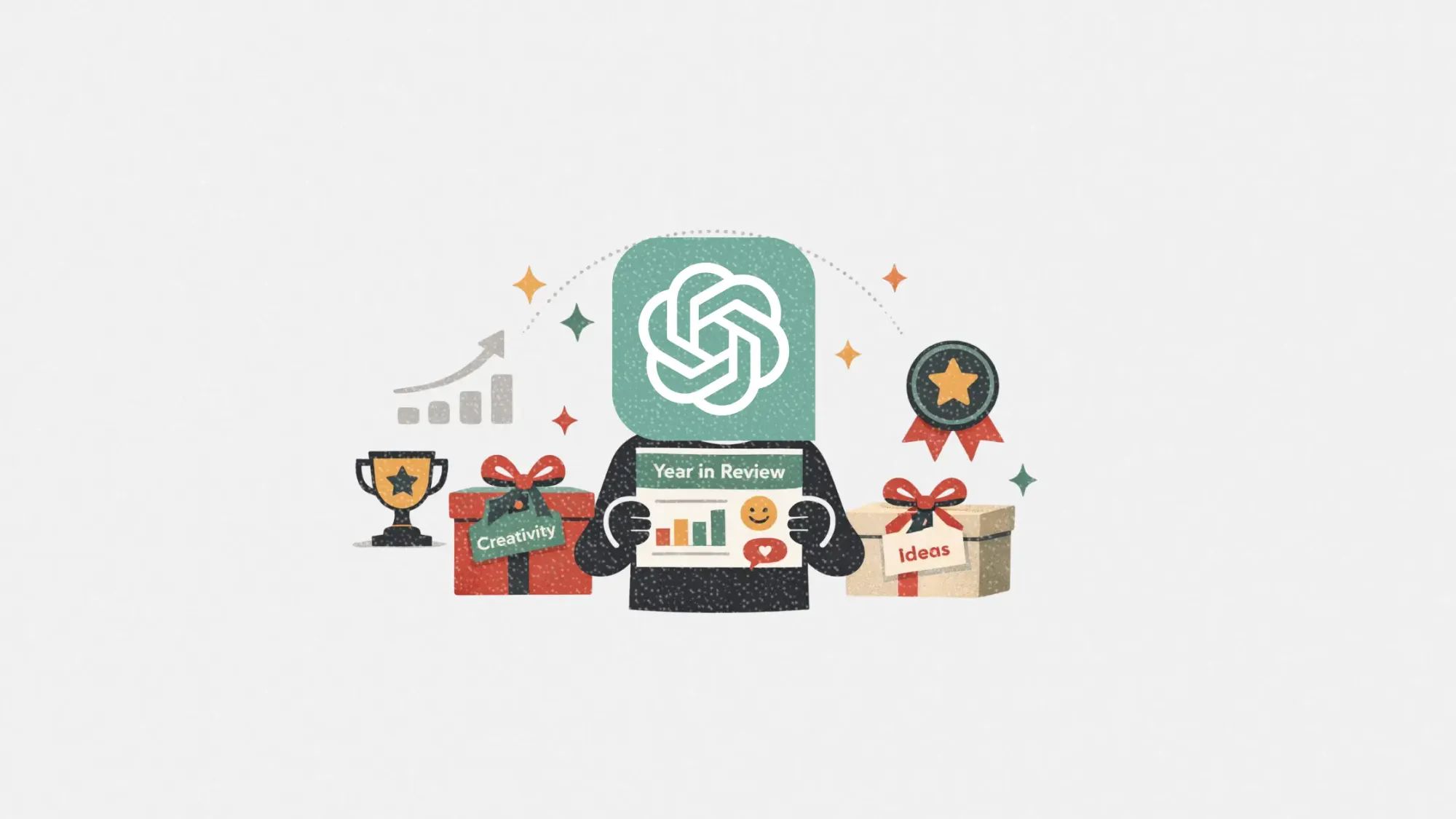
OpenAI is closing out the year with a familiar trick from the consumer tech playbook: the year-in-review. Tapping into a format made famous by Spotify Wrapped, OpenAI has introduced “Your Year with ChatGPT”, a personalized recap experience now rolling out across select English-speaking markets.
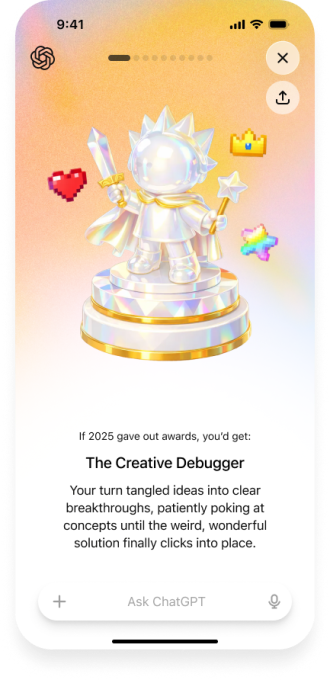
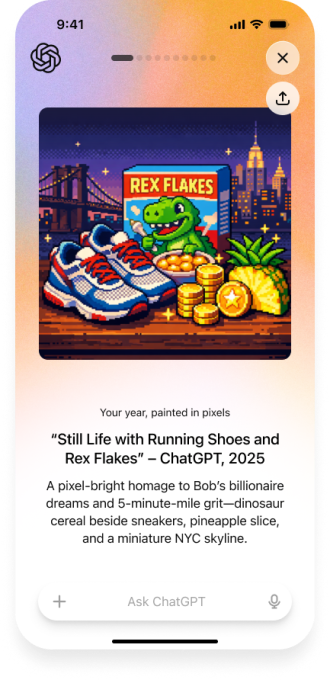
Available to free, Plus, and Pro plan users who’ve enabled chat history and saved memories—and hit a certain usage threshold—the feature offers a look back at how individuals interacted with ChatGPT throughout the year. That includes custom awards like “Creative Debugger” and even a generated poem and image reflecting a user’s unique interests.
This article explores what this playful, privacy-forward feature means for brands, user perception of AI tools, and where the opportunity lies for marketers looking to build trust and engagement through transparency.
Short on time?
Here is a table of content for quick access:
 Patrecia Meliana
What is "Your Year with ChatGPT"?
OpenAI’s new year-end feature mimics the structure and tone of other consumer-facing recap tools like Spotify Wrapped or YouTube Recap. It is currently available in the United States, Canada, the U.K., Australia, and New Zealand.
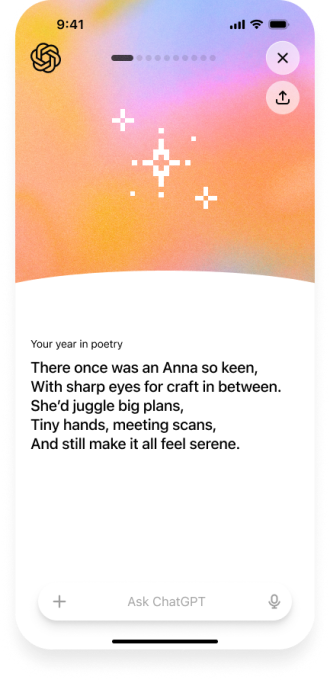
The experience uses visual storytelling to reflect each user’s activity with ChatGPT such as creative tasks, problem-solving sessions, or idea generation. Users receive personalized awards, a custom AI-generated poem, and a stylized image based on their usage patterns. It is optional, discreetly promoted on the app’s home screen, and accessible via both the web and mobile apps.
Importantly, the rollout excludes Enterprise, Team, and Education plans. This signals that the feature is firmly positioned as a consumer engagement experience rather than a productivity tool.
Why this move matters now
ChatGPT’s year-end recap may seem like a light feature, but it signals deeper strategic intent. Here’s why it deserves marketers’ attention:
- It positions ChatGPT as a lifestyle utility, not just a productivity tool. By adopting a cultural trend usually dominated by entertainment apps, OpenAI is placing ChatGPT in the everyday behavior set of digital users.
- It helps humanize and normalize AI usage. For many users, especially those on free or lower-tier plans, this kind of playful personalization may boost comfort and familiarity with generative AI. That can lower the psychological barrier to continued use.
- It frames AI in a privacy-first way. OpenAI emphasizes that the experience is lightweight and user-controlled, aligning with growing expectations around data transparency and control.
For marketers, this sets a clear precedent. If AI tools want consumer trust, they need to deliver clear, opt-in experiences that explain—not just extract—value from user data.
What marketers should know
OpenAI’s recap feature might look like a simple engagement play, but there are deeper marketing cues baked in. From product positioning to data storytelling and UX design, Your Year with ChatGPT offers takeaways for brands experimenting with personalization, AI, and loyalty-building.
Here are three key lessons worth noting:
1. Year-end content works outside entertainment
Spotify didn’t invent the annual recap, but it made it go viral. Now OpenAI is proving that even utility-focused platforms can use user data to create emotionally engaging narratives. If your brand collects first-party data, consider how to turn it into moments of delight or reflection that deepen loyalty.
2. This is brand positioning in action
Your Year with ChatGPT is more than a novelty. It reframes ChatGPT as a daily creative partner, not just a tool for specific tasks. This opens the door to broader consumer use. For B2B brands, it is a reminder that marketing utility should be wrapped in relatable, emotional framing when possible.
3. Opt-in, visually engaging, and transparent is the new bar
OpenAI made this feature opt-in, visually rewarding, and clear about data usage. This reflects an emerging user expectation for AI-driven personalization. If you’re launching any customer-facing AI tools, this is the experience to beat in terms of trust, clarity, and appeal.
OpenAI’s decision to close out the year with a personalized ChatGPT recap might look like a fun add-on, but it is really a strategic move to build emotional trust with users and reposition AI as a friendly, creative tool. It offers a playbook for how to introduce data-driven features without compromising transparency or user control.
Marketers should pay attention. These are the kinds of touchpoints that shift user perception and adoption. Whether you’re launching AI features or rethinking your year-end brand campaigns, the lesson here is clear: data storytelling works best when it feels personal, optional, and genuinely useful.