Dentsu revamps dentsu.connect for agentic AI marketing workflows
Dentsu bets on agentic AI to unify data, workflows, and decision-making

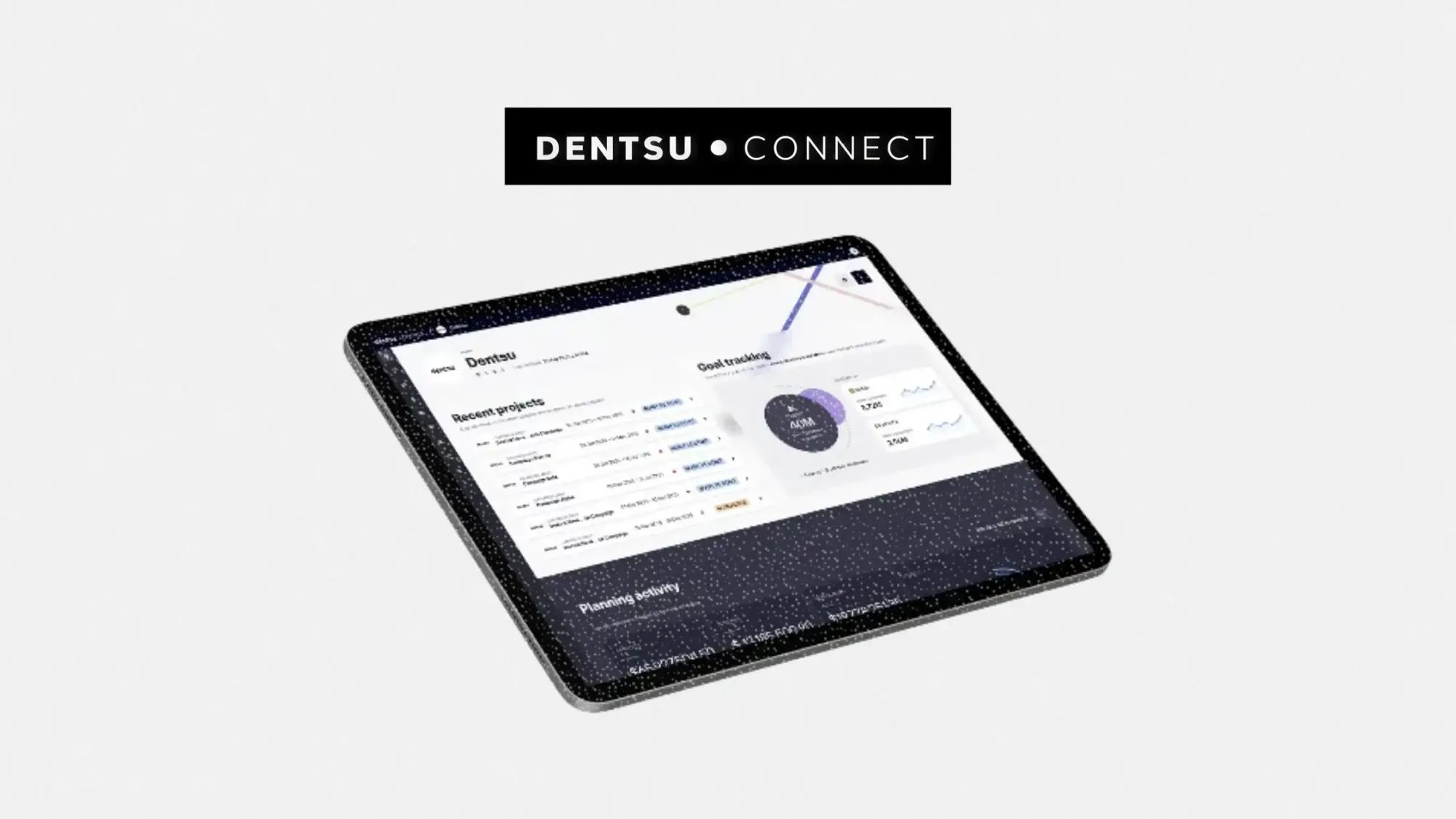
Dentsu is making a clear bet on where marketing operations are heading next. With the latest evolution of dentsu.Connect, the company is positioning itself for a future where AI agents do more than assist, they actively orchestrate workflows across the entire marketing lifecycle.
This article explores what dentsu’s updated platform actually does, how its agentic AI approach works in practice, and what it signals for marketers navigating increasingly automated, data-driven environments.
Table of contents
Jump to each section:
- What dentsu changed in dentsu.Connect and why it matters
- How agentic AI powers dentsu’s new marketing operating system
- What marketers should know about agentic workflows
 Patrecia Meliana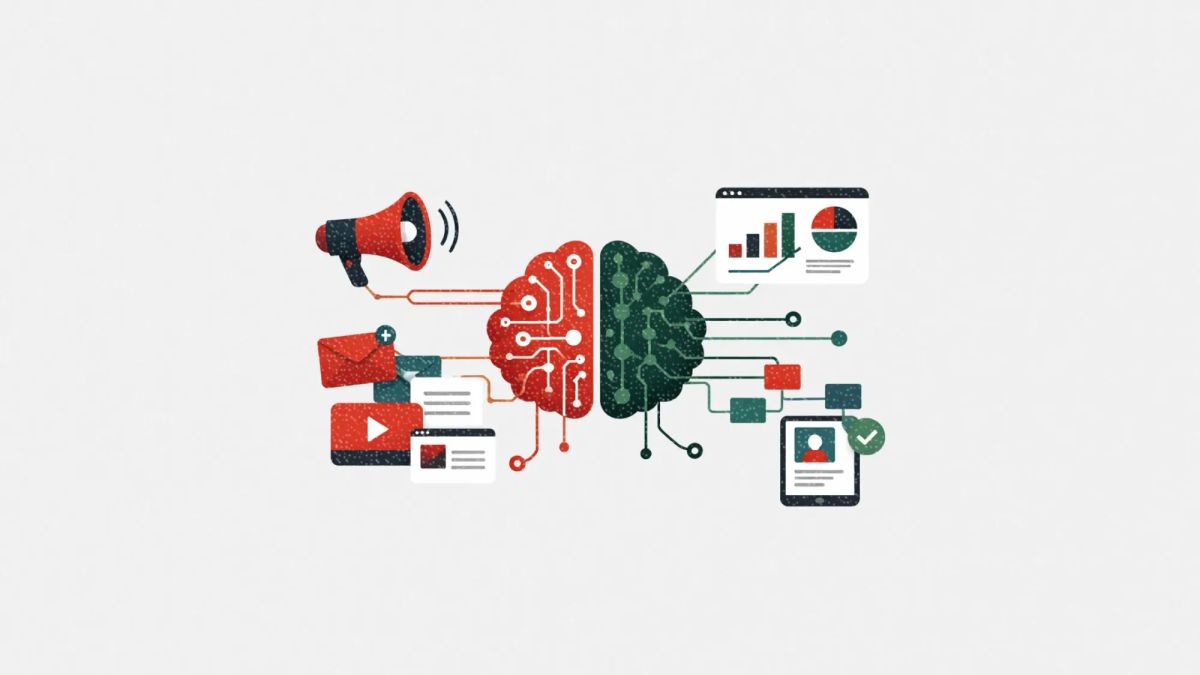
What dentsu changed in dentsu.Connect and why it matters
Dentsu has overhauled dentsu.Connect into what it calls an AI-powered operating system that unifies the entire marketing lifecycle, spanning creative, production, media, and experience.
This is not just a feature update. The platform now shifts away from linear workflows toward a system designed for predictive, outcome-driven decision-making. It automates routine tasks, synthesizes data in real time, and enables continuous decisioning, all within a single environment.
The foundation comes from dentsu’s earlier move to unify its data and technology groups into one shared layer. The latest version builds on that by connecting previously siloed workflows like media planning, strategy, and audience building so they can communicate and learn from each other.
Technically, the platform combines custom small language models with larger frontier models such as Google’s Gemini and Meta’s Llama. The result is a hybrid system designed to balance specialization with scale.
How agentic AI powers dentsu's new marketing operating system
At the core of this update is agentic AI, meaning autonomous software agents that can execute tasks, coordinate workflows, and surface insights with minimal human intervention.
Dentsu.Connect introduces several layers of agent-driven capability:
- Agent-assisted workflows: AI supports specific tasks like planning or analysis
- Cross-workflow orchestration: Agents coordinate across functions instead of operating in silos
- External connectivity: The system integrates with client tech stacks and external platforms
These agents operate on a shared contextual intelligence layer, which means insights generated in one part of the workflow can inform decisions elsewhere.
The platform is also built around three structural principles:
- Composability: Clients can activate only the modules they need
- Interoperability: Integration with existing systems without forced replacement
- Proprietary models and agents: Built on dentsu’s internal expertise and data
Importantly, dentsu frames these agents as coworkers rather than replacements. The idea is to reinvest efficiency gains into higher-value work like strategy, creativity, and decision-making.
What marketers should know about agentic workflows
For marketers, dentsu’s move is less about one platform and more about a broader shift in how marketing gets done.
Here are the practical takeaways:
1. Workflows are becoming systems, not stacks
Instead of stitching together multiple tools, platforms like dentsu.Connect aim to centralize execution and intelligence. This reduces fragmentation but increases dependence on integrated ecosystems.
2. AI agents are moving from assistants to operators
The shift from “AI helps you do tasks” to “AI executes tasks for you” changes how teams are structured. Marketers will need to manage systems and outputs rather than individual actions.
Patrecia Meliana
3. Real-time decisioning becomes the default
With always-on data synthesis and automated optimization, campaigns are no longer static. This raises expectations for speed, responsiveness, and performance accountability.
4. Interoperability will be a competitive factor
Dentsu emphasizes open integration rather than closed ecosystems. For brands, this signals the importance of choosing platforms that fit into existing infrastructure rather than replacing it entirely.
5. Human judgment becomes more strategic
As automation increases, the value of human input shifts toward oversight, creative direction, and ethical decision-making. The platform explicitly keeps humans in control, but the nature of that control changes.
Patrecia Meliana
Dentsu’s updated dentsu.Connect platform reflects a clear direction for the industry: marketing operations are evolving into interconnected, AI-driven systems where agents handle execution and humans focus on strategy.
For B2B marketers and PR professionals, the takeaway is not just about adopting new tools. It is about preparing for a shift in how work flows, how decisions are made, and how value is created in an increasingly automated environment.
Those who adapt early to agentic workflows will likely gain an edge, not just in efficiency, but in how effectively they turn data and automation into real business outcomes.