Creators are skipping the algorithm according to Patreon report
As algorithmic platforms plateau, more creators are turning to paid communities and subscriptions. Here’s what that means for brand partnerships.

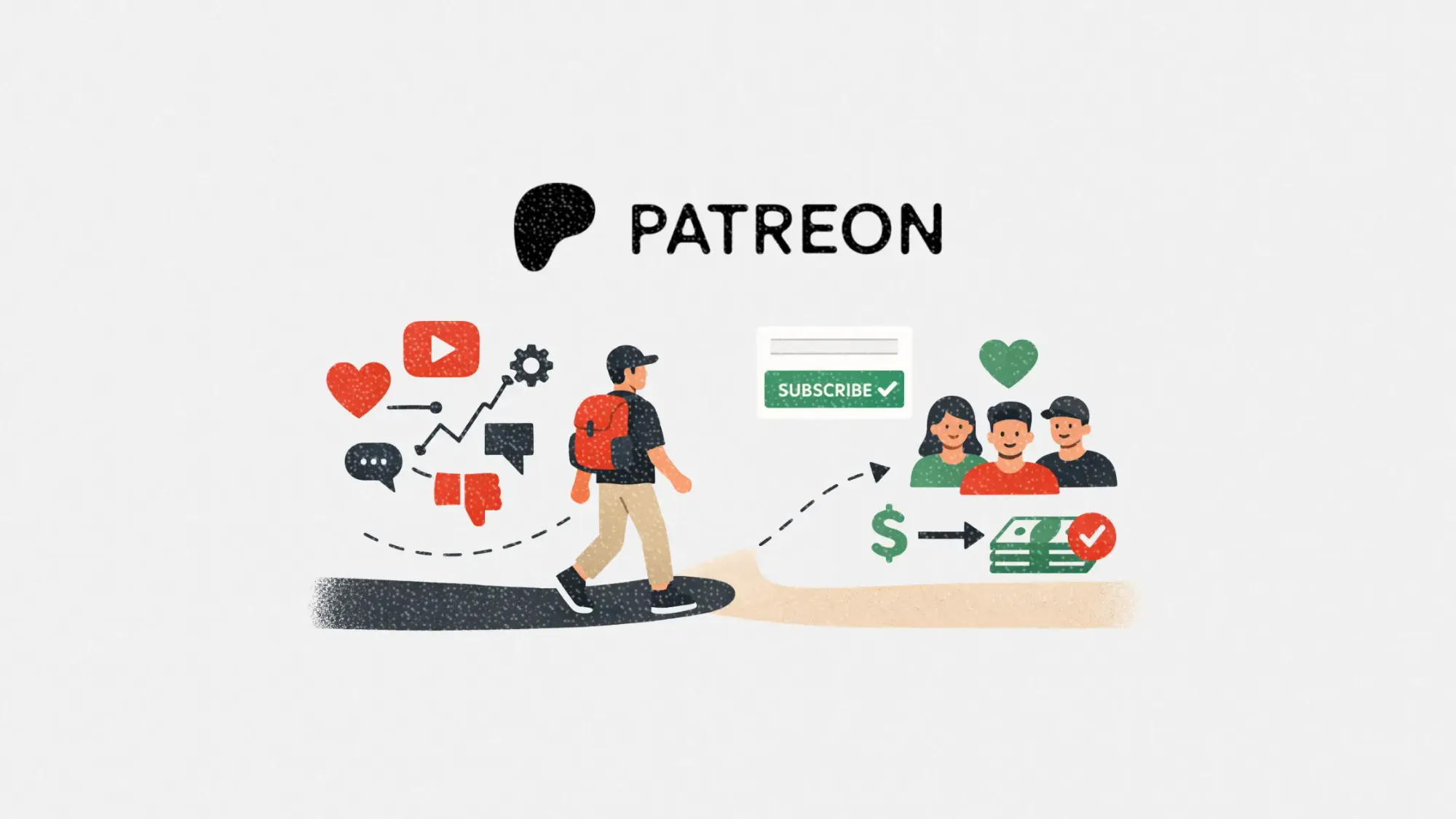
The creator economy is undergoing a quiet transformation. As traditional social platforms become more volatile, creators are shifting their attention to direct-to-fan models—subscription platforms, gated communities, and digital storefronts that let them monetize more predictably.
According to Patreon’s State of Create 2025, over half of the US$290 billion creator economy now comes from direct-to-fan value like memberships, livestreams, and ticketed content. That’s a strategic shift marketers can’t afford to ignore.
This article explores what’s driving this change, what marketers should take away from the data, and how to work with creators who are moving beyond the algorithm.
Short on time?
Here’s a table of contents for quick access:
- Why creators are ditching algorithmic platforms
- The rise of superfans and monetized communities
- What marketers should know: direct-to-fan playbook
 Patrecia Meliana
Why creators are ditching algorithmic platforms
Creators aren’t just chasing new tools—they’re chasing stability. The report shows a majority of creators struggle with income volatility on major platforms.
Between shifting algorithms, policy changes, and monetization unpredictability, creators are turning to platforms that give them control over their audience and earnings.
Subscription platforms like Patreon, Substack, Kajabi, and Gumroad now serve as homes for creators tired of chasing engagement spikes. The direct-to-fan model replaces fleeting reach with consistent revenue.
The rise of superfans and monetized communities
The real engine behind this shift? Core fans. These are the 1–10% of a creator’s audience who pay, share, cheer, and evangelize. According to the report, core fans are significantly more likely to buy merch, join communities, and pay for content.
Fan behavior is evolving too. Instead of passive consumption in algorithm-fed feeds, superfans want direct access, deeper experiences, and a sense of community. For marketers, this opens up more targeted and trusted channels to reach engaged audiences.
Notably, creators report earning 40x more per fan on Patreon than on TikTok, underscoring the revenue potential of deeper relationships.
What marketers should know
The good news? This model doesn’t just benefit creators—it benefits brands too. Marketers who tap into these direct-to-fan ecosystems can reach buyers who already trust and value the creator.
- Work with community-first creators
Prioritize creators who run newsletters, Discord groups, or Patreon memberships. These creators tend to have higher fan loyalty and more influence over purchase decisions.
- Create value-based collabs
Instead of traditional posts, think about co-branded perks, exclusive offers, or digital experiences tailored to fan communities. This approach matches the depth and intimacy of these ecosystems.
- Measure beyond impressions
In a direct-to-fan context, conversion and engagement metrics matter more than views. Focus on loyalty, repeat purchase behavior, or referrals driven through the creator’s owned channels.
The creator economy is evolving from audience aggregation to audience ownership. For marketers, this is a chance to stop chasing scale—and start building resonance. The brands that win will be those who show up where trust lives.