Duolingo turns fashion pronunciation anxiety into an NYFW stunt
Duolingo turns fashion pronunciation anxiety into a wearable NYFW idea built around learning habits and streak culture.


For Duolingo, New York Fashion Week creates a very specific kind of social pressure. You can know a label on sight, understand what it signals, and still hesitate when someone expects you to say the name out loud.
That gap between visual fluency and verbal confidence is what makes the Phonetic Collection feel less like a random fashion crossover and more like a product-native joke. The language-learning brand is not trying to become a fashion authority. It is showing up around a familiar learning moment: the second before someone risks saying a word they are not sure they can pronounce.
The collection turns designer-name pronunciation into wearable cues, while a temporary New York pop-up extends the idea into the physical world. Visitors can bid their Duolingo streaks rather than money for a chance to take pieces home, giving one of the app's most recognizable habits value outside the screen.
Table of contents
Jump to each section:
- What Duolingo is making wearable
- Why fashion pronunciation is fertile territory
- How streaks become social currency
- What marketers should learn from product-native stunts
What Duolingo is making wearable
The Phonetic Collection takes the small mental exercise of sounding out a difficult name and makes it visible. The pieces turn pronunciation into the creative material itself, with fashion functioning as the format rather than the subject Duolingo is suddenly claiming expertise in.

Adweek's reporting identifies designer Megan O'Cain, who appeared on Netflix's Next in Fashion, as the designer behind the pieces. The collection includes familiar silhouettes carrying phonetic spellings of fashion names, while outdoor placements bring the same visual device into New York City.
Manu Orssaud, Duolingo's chief marketing officer, described fashion week as “a creative opening hiding in plain sight.” The line captures why the campaign holds together: pronunciation is not being added to fashion after the fact. It is the reason the brand has a role there at all.
The official Duolingo post makes the same idea legible without requiring a long explanation. Its caption introduces “Duolingo SS27: The Phonetic Collection” and frames the drop as learning to “speak fashion,” putting the language lesson and the fashion object in the same sentence.
That coherence matters because branded fashion can easily become merchandise with little connection to the product behind it. Here, the clothes only make sense because a language-learning company is behind them. The garment is the format, but the behavior is still practice.
Why fashion pronunciation is fertile territory
Luxury fashion has an unusual relationship with language. A person can recognize the logo, know the product, follow the designer, and still avoid saying the brand name because getting it wrong can feel like revealing that they are not fully inside the culture.
That makes pronunciation a small but useful social tension. Fashion is built on codes, references, names, and signals of familiarity. Duolingo does not have to manufacture the discomfort. It can simply make the uncertainty visible and give people permission to learn in public.
Fashion has already shown that mispronunciation can become campaign material. Loewe's 2024 Decades of Confusion campaign played with the many ways consumers say the house's name. The difference is the direction of travel: Loewe could laugh at confusion around its own brand, while Duolingo can make the act of figuring out unfamiliar names the reason it enters the category.
That is a useful distinction for marketers. Cultural relevance does not always require adopting the aesthetics or language of the category wholesale. Sometimes a brand earns its place by bringing one capability people already associate with it into a setting where that capability suddenly becomes useful.
How streaks become social currency
The strongest part of the pop-up may be the rule for getting the clothes. Visitors can bid their Duolingo streaks for a chance to take pieces home, turning a private record of daily practice into something that matters in a physical event.
A streak normally has value because the user has decided it matters. It signals consistency and the effort of returning each day. By letting that history count inside the pop-up, Duolingo gives existing users a form of status that cannot be created at the door.
That makes the experience feel connected to the product rather than built as a separate promotional universe. The brand is not inventing a new points system for NYFW. It is recognizing behavior users already invested in before the campaign appeared.
The same mechanism also makes Duolingo easier to understand for people who are less familiar with the app. You do not need a detailed explanation of retention mechanics to grasp that a longer streak signals commitment. A digital habit becomes something people can compare, talk about, and exchange for access to a scarce physical object.
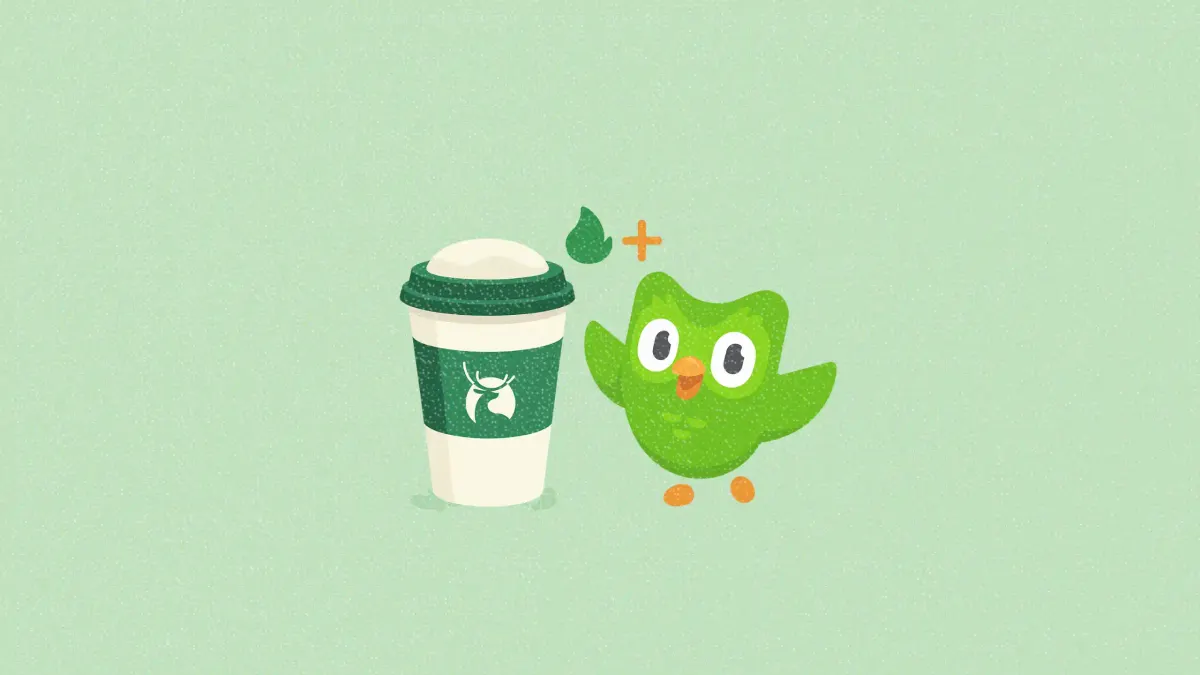
Duolingo has used this kind of physical-digital crossover before, including a Singapore collaboration with Luckin Coffee that linked streak culture with an everyday coffee ritual. The NYFW idea goes further by making the streak itself part of the value exchange.
What marketers should learn from product-native stunts
The useful lesson is not that software brands should start making clothes. It is that cultural relevance is easier to believe when the brand carries a real user behavior with it.
- Enter culture with something the audience already associates with you.
Duolingo arrives at fashion week through pronunciation, not through a sudden claim to fashion expertise. The setting changes, but the brand's role remains recognizable. - Turn existing product behavior into part of the experience.
The streak mechanic works because it rewards behavior that predates the pop-up. That makes participation feel connected to the product rather than bolted onto a temporary stunt. - Use a real social tension when the brand can genuinely help.
Mispronouncing a fashion name is minor, but relatable. The campaign can use that insecurity because helping people practice language is already within Duolingo's reason for existing. - Let the format surprise people while the logic stays familiar.
A language-learning app making fashion is unexpected. A language-learning app helping people pronounce fashion names is not. That difference is what keeps the idea from feeling arbitrary.
The broader opportunity for digital brands is to look beyond product features and identify the rituals, habits, status signals, and inside jokes their users already carry with them. Those behaviors can become more powerful creative material than a generic cultural sponsorship.
For Duolingo, fashion week provides the setting, pronunciation provides the tension, and streaks provide the bridge back to the app. The clothes are what people see first, but the campaign works because the logic was already part of the product before anyone put it on a rack.