
CLEAR Men turns FIFA World Cup 2026 fans into the stars of its latest global campaign
Learn how CLEAR Men is using fan culture, sponsorship marketing, and FIFA World Cup 2026 to strengthen brand engagement.

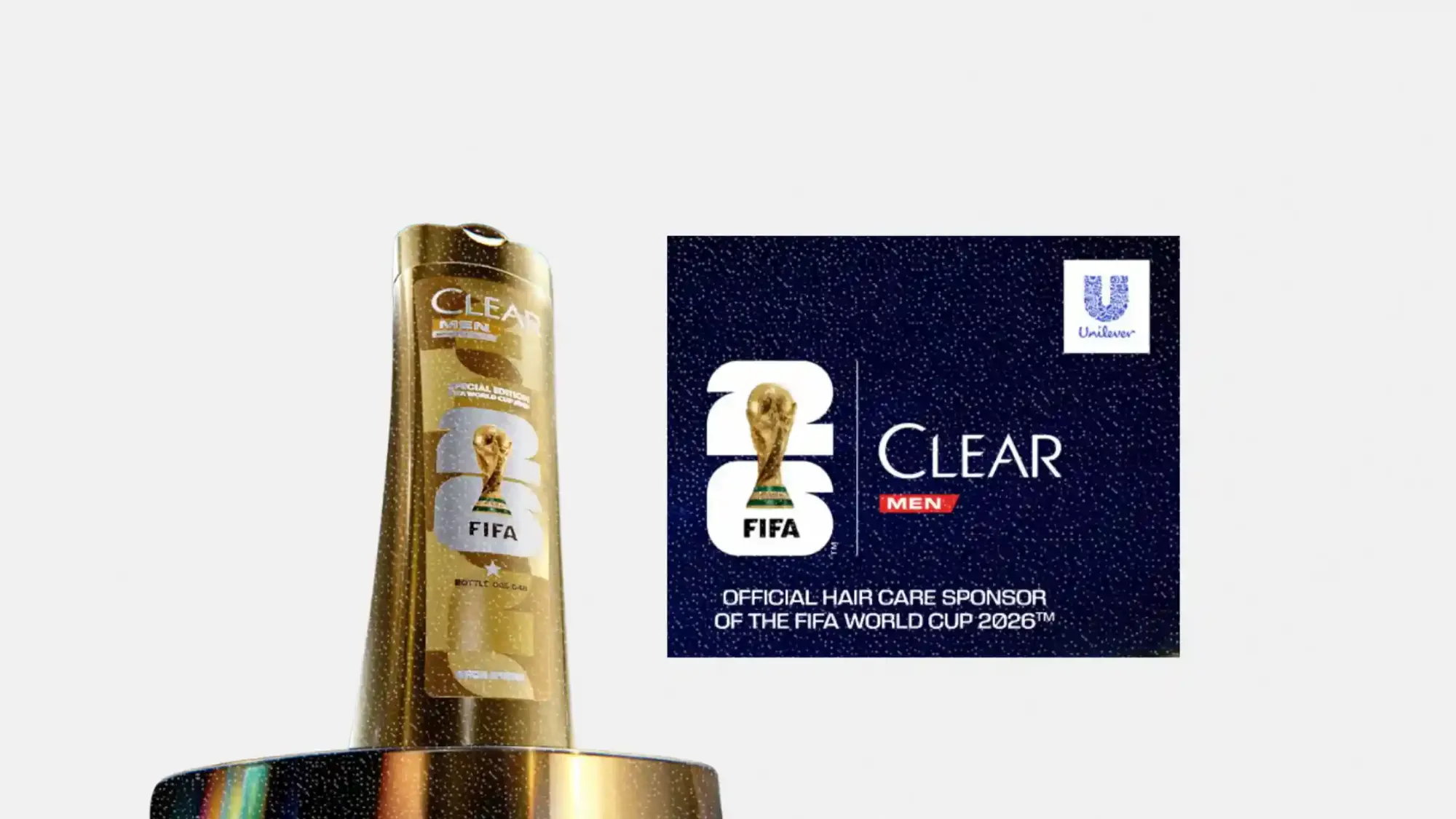
The race to win attention around the FIFA World Cup 2026 is already underway, and personal care brand CLEAR Men is taking a different approach. Rather than centering its campaign on athletes or match highlights, the Unilever-owned brand is spotlighting the fans whose rituals, emotions, and superstitions define football culture.
At the same time, CLEAR Men is using the tournament to support a broader product transformation. The brand recently unveiled CLEAR MEN ULTRA, a new scalp-care range positioned around performance, active lifestyles, and its status as an Official Hair Care Sponsor of the FIFA World Cup 2026.
Table of contents
Jump to each section:
- How CLEAR Men is using FIFA World Cup 2026 to launch CLEAR MEN ULTRA
- Why the brand is shifting attention from players to fans
- What marketers should know about fan-first sports marketing
- What this means for World Cup sponsors and challenger brands
- The bigger lesson from CLEAR Men’s World Cup strategy
 Patrecia Meliana
How CLEAR Men is using FIFA World Cup 2026 to launch CLEAR MEN ULTRA
CLEAR Men recently announced its evolution into CLEAR MEN ULTRA, introducing a portfolio built around what it calls 3X Scalp Barrier Defense and 3X Ultra Protection. The launch includes its refreshed Menthol Fresh Active variant alongside new Oil Control and Anti Hair Fall products.
The brand is positioning football as the ultimate symbol of performance under pressure. As part of that strategy, it has partnered with former Indonesia national football coach Shin Tae-yong as its "Icon of Performance" while promoting its sponsorship connection to FIFA World Cup 2026.
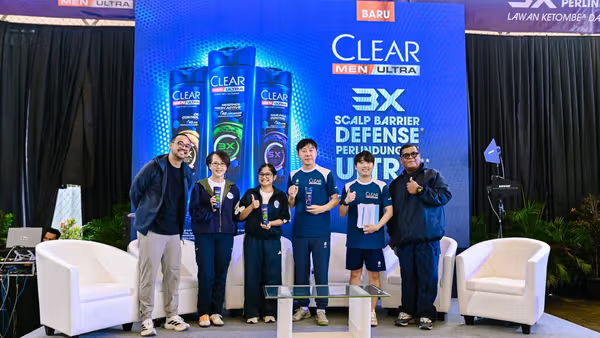
CLEAR Men is also teasing the creation of an "Ultra Squad" and youth-focused training initiatives tied to the campaign, connecting product innovation with personal development, discipline, and competitive performance.
For marketers, this is a classic example of using a global sponsorship platform to support both brand positioning and product innovation simultaneously.
 Patrecia Meliana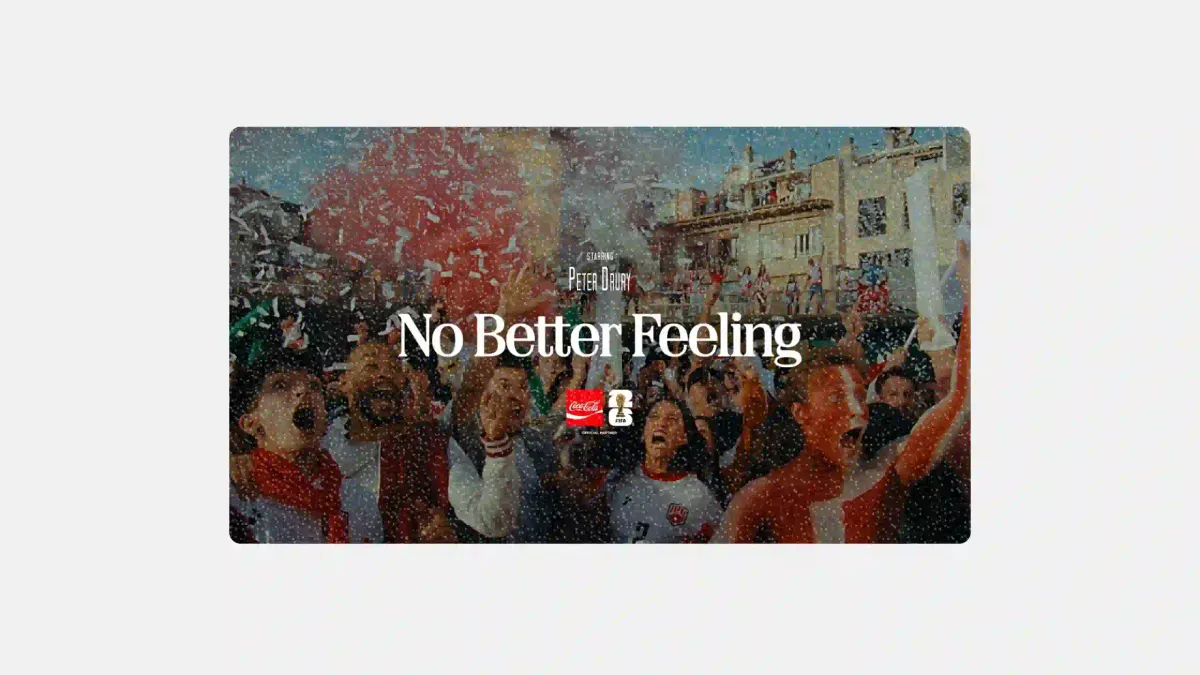
Why the brand is shifting attention from players to fans
Created by Ogilvy Singapore, CLEAR Men’s global campaign, “Make your World Cup legendary,” focuses on football supporters rather than athletes. The campaign highlights the rituals fans perform before and during matches, from lucky traditions and face painting to late-night viewing habits and emotional celebrations.
According to the campaign narrative, most World Cup conversations focus on goals, teams, and players. CLEAR Men sees an opportunity in the stories happening outside the stadium.
This approach aligns naturally with the brand's long-running "Keep a clear head" platform. By connecting scalp care with the physical and emotional intensity experienced by fans, CLEAR Men transforms a functional product category into part of the match-day ritual.
The campaign is rolling out across more than 40 markets and includes limited-edition packs featuring football stars Cristiano Ronaldo, Vinicius Júnior, and Kenan Yıldız, alongside promotional "Golden Bottles" linked to FIFA World Cup 2026 experiences.
 Patrecia Meliana
What marketers should know about fan-first sports marketing
Sports sponsorships often fall into a predictable pattern: sign athletes, run ads, and hope brand awareness increases. CLEAR Men's strategy offers a few more interesting lessons.
1. Own the emotional layer, not the sporting outcome
Brands rarely control what happens on the pitch. They can, however, own the emotional experiences around the event. Fan rituals, anticipation, anxiety, and celebration are often more relatable than elite athletic performance.
2. Turn product usage into part of the event
CLEAR Men is positioning scalp care as part of match preparation. Whether consumers agree or not, the strategy creates a behavioral link between the product and the sporting occasion.
3. Build campaigns around communities
Fans are communities, not audiences. Campaigns that celebrate shared behaviors often generate stronger engagement than campaigns focused solely on celebrity endorsements.
4. Extend sponsorship value beyond media exposure
The brand is combining sponsorship rights, product launches, influencer partnerships, limited editions, and experiential programs into one connected ecosystem. That approach typically creates more long-term value than logo visibility alone.
 Patrecia Meliana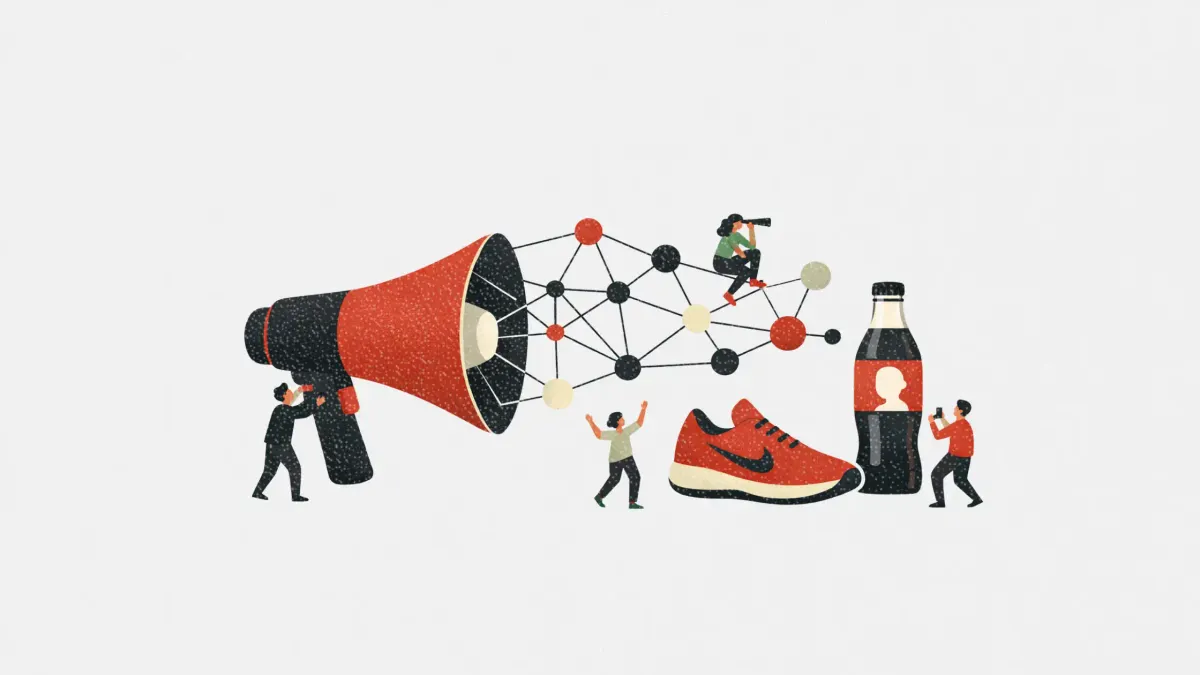
What this means for World Cup sponsors and challenger brands
As FIFA World Cup 2026 approaches, marketers should expect more brands to compete around fan culture rather than football performance itself.
Key implications include:
- Emotional storytelling may outperform athlete-centric campaigns in crowded sponsorship environments.
- Community participation is becoming as important as celebrity endorsement.
- Product categories outside traditional sports sectors can still find relevant entry points through fan behavior.
- Experiential rewards and collectible products remain powerful tools for increasing engagement around global events.
The broader trend is clear: brands increasingly want to participate in cultural moments rather than simply sponsor them.
The bigger lesson from CLEAR Men’s World Cup strategy
CLEAR Men’s FIFA World Cup 2026 campaign reflects a wider shift in sports marketing. The most valuable audience is not always the athlete on screen. It is often the millions of fans creating traditions, conversations, and emotional moments around the event.
By combining its CLEAR MEN ULTRA launch with a fan-focused global campaign, the brand is attempting to transform a functional scalp-care product into part of football culture itself. Whether that positioning resonates at scale remains to be seen, but the strategy highlights an important reality for marketers: cultural participation often creates stronger brand relevance than sponsorship visibility alone.