
Foot Locker leans into sneaker nostalgia with “It Always Will Be Foot Locker”
Foot Locker debuts a new brand platform anchored by a hero film and a fall “Sole Stories” series, aiming to rebuild emotional meaning in sneaker culture.

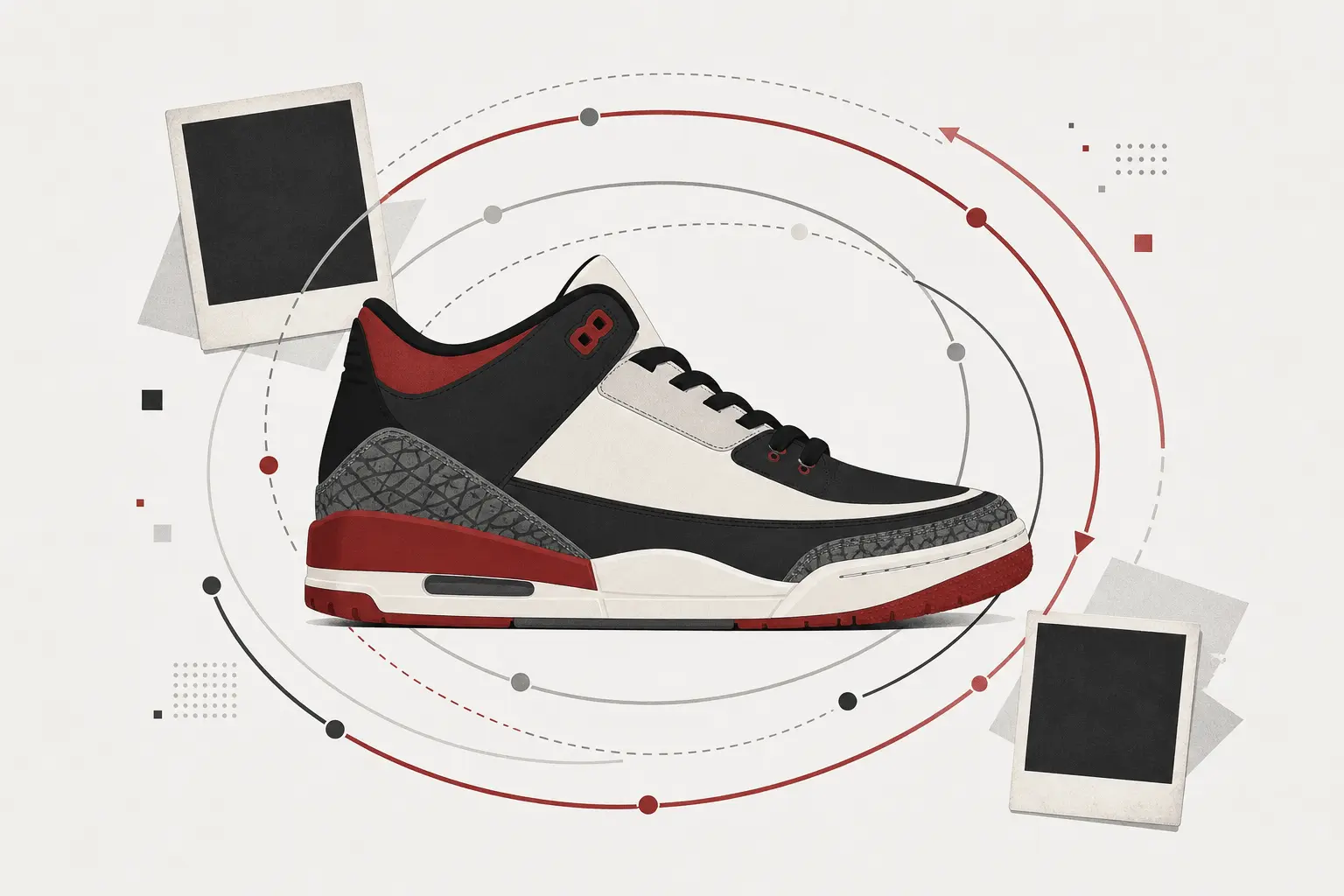
Sneaker culture doesn’t move in straight lines. It loops through eras, references, and re-releases, and fans love the feeling of spotting an old silhouette, a familiar ad, or a music moment that instantly places you in a specific year.
Foot Locker is leaning into that time-capsule energy with a new brand platform, “It Always Will Be Foot Locker,” positioning itself as a long-running “home” for sneaker culture across fashion, music, sport, and pop culture.
Table of contents
Jump to each section:
- Why sneaker culture storytelling still works in 2026
- What Foot Locker’s hero film is doing creatively
- How “Sole Stories” extends the platform beyond one campaign
- What this means for marketers building emotional connection
Why sneaker culture storytelling still works in 2026
Sneakers are one of the few consumer categories where product, identity, and memory blur together. People remember their “first pair,” the ones they begged for, the pair tied to a team, an artist, or a phase of life, and the ones they missed and still think about.
That’s the emotional terrain Foot Locker is trying to reclaim. The retailer’s marketing team has been clear that awareness is not the issue. The harder question is meaning: what Foot Locker represents to people now, especially at a time when it’s working to rebuild an emotional bond with consumers.
 ContentGrip
What Foot Locker’s hero film is doing creatively
In the brand’s new platform, a two-minute hero film anchors an integrated campaign running across broadcast, social, digital, out-of-home, and in-store. The creative uses a microdocumentary style, mixing archival footage and past commercials with new material to trace how sneakers became a pop culture language.
The film moves through recognizable touchpoints: early sneaker styles (like Adidas Stan Smiths and Nike’s first Air Jordans), challenger brands (New Balance, Reebok), music moments (Run-D.M.C., Nelly), TV and film references (“Family Matters,” “The Wizard of Oz”), and basketball stars (Allen Iverson, Vince Carter, LeBron James). Foot Locker’s “Striper” employees show up as a throughline, making the brand feel present across eras instead of just commenting on them.
Method Man narrates the spot, reinforcing the idea that regardless of trend or moment, “it always was and always will be Foot Locker.” The campaign was created with Someplace, the agency that also worked on Foot Locker’s basketball platform “Hoops Lives Here,” which debuted in May.
How “Sole Stories” extends the platform beyond one campaign
Foot Locker is also extending the platform with “Sole Stories,” a short-form documentary series made in partnership with Hartbeat, Kevin Hart’s entertainment company. The series is planned as 36 episodes rolling out throughout the fall across social, digital, influencer, and in-store channels.
Strategically, the move shifts the platform from “brand tells story” to “people tell their story,” using the most durable currency in sneaker culture: personal meaning. Instead of treating sneakers as product drops, the series is built around emotion and memory, like what someone remembers about their first sneaker, their favorite pair, or “the ones that got away.”
That approach is also a practical way to generate repeatable content without forcing the brand to constantly manufacture new cultural moments. In sneaker culture, the community already has the archive, the opinions, and the rituals. A series format gives Foot Locker a reason to keep showing up.
What this means for marketers building emotional connection
If the last decade trained marketers to chase the next trend, this platform is a reminder that sometimes the strongest move is continuity: being a brand people feel has been with them the whole time.
- Use nostalgia as proof of presence, not a costume
The film works because it treats sneaker history as something Foot Locker has physically been around for, not something it’s borrowing aesthetics from. The difference matters to audiences who can spot forced “throwback” branding immediately. - Show culture as lived experience, not just sponsorship
Including music, TV, film, and athletes isn’t just name-dropping. It reflects how sneaker culture actually travels: through scenes, subcultures, and everyday identity, not just performance marketing. - Build a platform that can hold multiple sub-stories
“Hoops Lives Here” narrowed in on basketball. “It Always Will Be Foot Locker” widens the lens. Marketers can read this as smart architecture: one parent idea, multiple chapters, and room to rotate focus without reintroducing the brand every time. - Turn customers into the documentary
“Sole Stories” is a format bet that audience memory is content. When people can narrate what a product meant to them, you get authenticity that brand copy cannot manufacture. - Treat “meaning” as the KPI when awareness is saturated
Foot Locker is explicitly chasing what the brand means, not whether people recognize the logo. For mature brands, the competitive edge often comes from emotional clarity, not incremental reach.
Bigger picture, this platform reflects a shift in how legacy retailers try to stay culturally relevant: not by acting like a new streetwear label, but by acting like the archive room people actually want access to.
Sneaker culture thrives on storytelling, and the brands that win long-term are the ones that understand why fans collect, remember, and debate in the first place. Foot Locker is betting that its role is less “trendsetter” and more “keeper of the room,” the place where the culture has been visible for decades.