
Gartner survey: CMOs shift more media spend to conversion and awareness
Gartner’s 2026 CMO Spend Survey shows 62.6% of media spend going to awareness and conversion, while loyalty spend falls below 15%.

Gartner says 62.6% of media spend in 2026 is going to conversion and awareness, up 10% from 2024. The details were outlined in the company’s newsroom post, based on its 2026 CMO Spend Survey.
The same data set points to a tension many marketing leaders are now living with: budgets are moving toward channels and funnel stages that are easier to measure and optimize with AI, while capability constraints (people, process maturity, and infrastructure) remain a blocker for scaling AI in practice.
Table of contents
Jump to each section:
- What the Gartner CMO Spend Survey data says
- Why the shift toward digital and acquisition can distort strategy
- The readiness gap: AI priorities versus operating maturity
- What this means for marketers
What the Gartner CMO Spend Survey data says
Gartner’s 2026 CMO Spend Survey found that awareness and conversion account for 62.6% of total media spend in 2026, reflecting a stated pivot toward acquisition and growth outcomes.
The survey also showed that loyalty and retention represent less than 15% of overall media spend, a 29% decline over the same period. Taken together, the signal is not just “more performance marketing,” but a broad reallocation toward the parts of the journey that are typically easier to attribute.
Another notable data point is labor: Gartner found labor accounted for 24.5% of marketing budgets in 2026, up from 21.9% in 2025. That is moving in the opposite direction of the common expectation that AI adoption should quickly reduce headcount-related costs.
 ContentGrip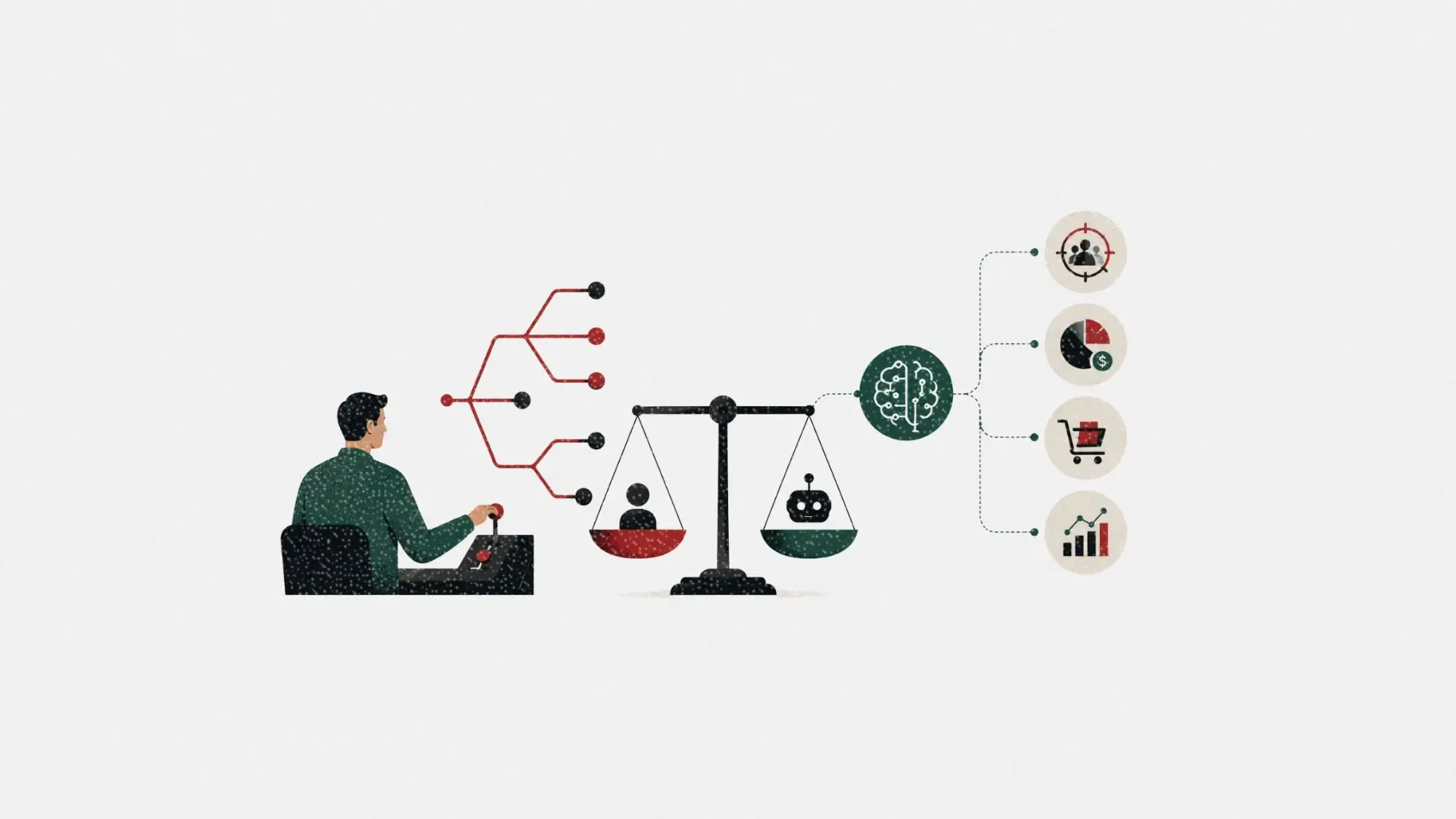
Why the shift toward digital and acquisition can distort strategy
Gartner says digital media now represents more than two-thirds of total media investments in 2026, up 18% since 2024. The survey frames AI as a driver of this shift, with CMOs prioritizing channels where personalization, optimization, and automation are more feasible.
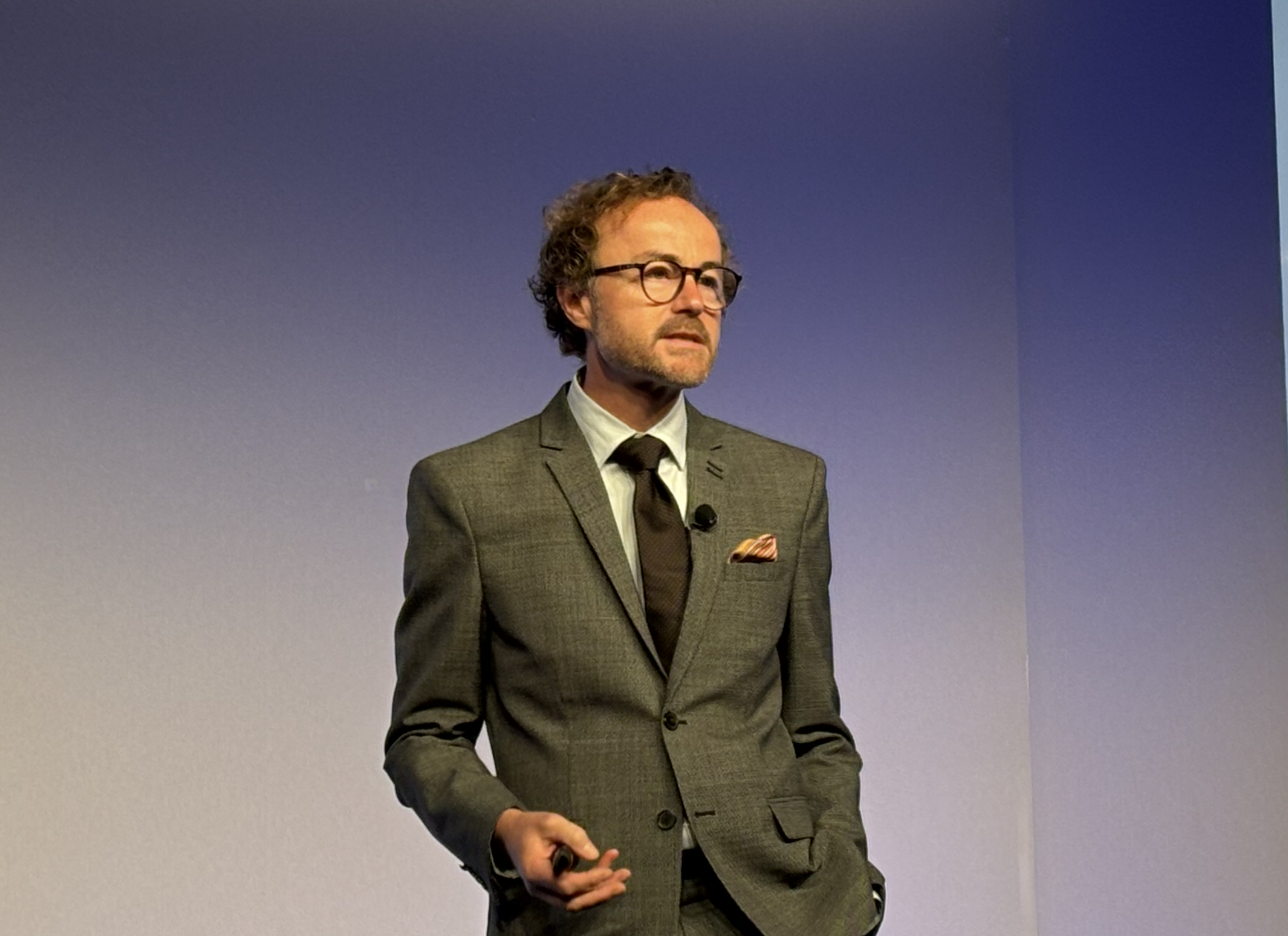
The risk is not that conversion and awareness spending is inherently wrong. It is that measurement convenience can become an unspoken strategy. Ewan McIntyre, VP Analyst and Chief of Research in Gartner’s marketing practice, argued that “AI can help marketers optimize faster, but optimization is not the same as strategy,” adding that CMOs should avoid letting AI steer too much budget toward the easiest-to-tune touchpoints.

One implication of the survey’s framing is that funnel-stage allocation can become a proxy for operating model maturity. If teams are underinvesting in loyalty and retention, they may be reducing the data, feedback loops, and long-run customer insights that help AI systems and marketers make better decisions beyond short-term response.
The readiness gap: AI priorities versus operating maturity
The survey highlights that AI ambition is outpacing internal readiness. Gartner says 70% of CMOs report their internal marketing processes are not mature enough to effectively implement and scale AI, and only 30% report mature or fully developed AI readiness capabilities.
Gartner also points to capability constraints that are more organizational than technological: 38% cite lack of internal AI expertise as the top barrier to achieving AI-driven efficiency. Separately, Gartner data cited in the same context notes only 32% of marketers feel they need to personally update their AI-related skills, which suggests a potential mismatch between the scale of change expected and the upskilling urgency felt inside teams.
This is where the labor share becomes telling. If labor’s budget share is rising, CMOs may be finding that the “AI dividend” depends on roles such as analytics, marketing ops, data governance, experimentation design, and cross-functional execution, not just new software subscriptions.
What this means for marketers
The survey’s numbers are less about a single channel trend and more about how marketing leaders are choosing certainty in measurement while AI adoption remains uneven.
- Treat budget allocation as a strategy signal, not a reporting artifact
If conversion and awareness dominate the mix, ensure leadership can articulate what is being deprioritized (for example, loyalty programs, retention journeys, or customer experience work) and what risk that creates. - Separate “AI-optimizable” from “business-critical” touchpoints
Channels that are easiest to automate can become overfunded simply because they produce clean dashboards. The survey’s warning is that this can pull spend away from touchpoints that build long-term customer value. - Build AI readiness through operating maturity, not tooling volume
Gartner’s readiness findings (70% citing immature processes; 30% reporting mature readiness) suggest that governance, workflow design, and cross-team coordination are prerequisites for AI to improve outcomes consistently. - Plan for higher, not lower, talent investment in the near term
With labor at 24.5% of marketing budgets (up from 21.9%), teams should expect that training, hiring, and capability building may be a material part of AI programs, especially where data and process gaps exist.
Marketing leaders are being pushed toward measurable growth, and AI is often positioned as the accelerant. The survey’s underlying message is that measurable does not always mean durable.
If loyalty and retention spending continues to compress, many teams may find they have improved short-term optimization while weakening the systems that compound value over time.
In that environment, “AI strategy” becomes less about picking tools and more about deciding which parts of the customer journey deserve investment even when they are harder to measure.

