
Gen Z marketing campaigns: 20+ brand examples marketers should study
A breakdown of global and Asian Gen Z marketing campaigns across TikTok, K-pop, and culture-led strategies


Gen Z marketing campaigns are no longer defined by channel alone. They are shaped by culture, community behavior, and how content travels across platforms like TikTok, Instagram, and regional ecosystems in Asia.
From K-pop collaborations in South Korea to TikTok-led virality in the US and Southeast Asia, brands are adapting their strategies to match how Gen Z discovers, shares, and trusts content.
This article explores a curated list of Gen Z marketing campaigns across global and regional markets, with a breakdown of what each campaign did and what makes it resonate with Gen Z audiences.
Table of contents
Jump to each section:
- K-pop and pop culture collaborations
- TikTok and social-first campaigns
- Purpose-driven and identity-led campaigns
- Anti-marketing and unconventional branding
- Platform and product repositioning for Gen Z
- Community-first and exclusive campaigns
- The 5 principles behind high-performing Gen Z campaigns
- Emerging Gen Z campaign trends marketers should watch
- What marketers should take from these campaigns
 Patrecia Meliana
K-pop and pop culture collaborations
1. Ray-Ban – K-pop-infused campaign
Ray-Ban incorporated K-pop styling, visuals, and talent to position its eyewear within youth fashion culture. The campaign leaned on music, choreography, and idol aesthetics rather than traditional product shots.
What makes it Gen Z: It taps into fandom culture, where audiences actively follow, share, and replicate content tied to idols.
 Patrecia Meliana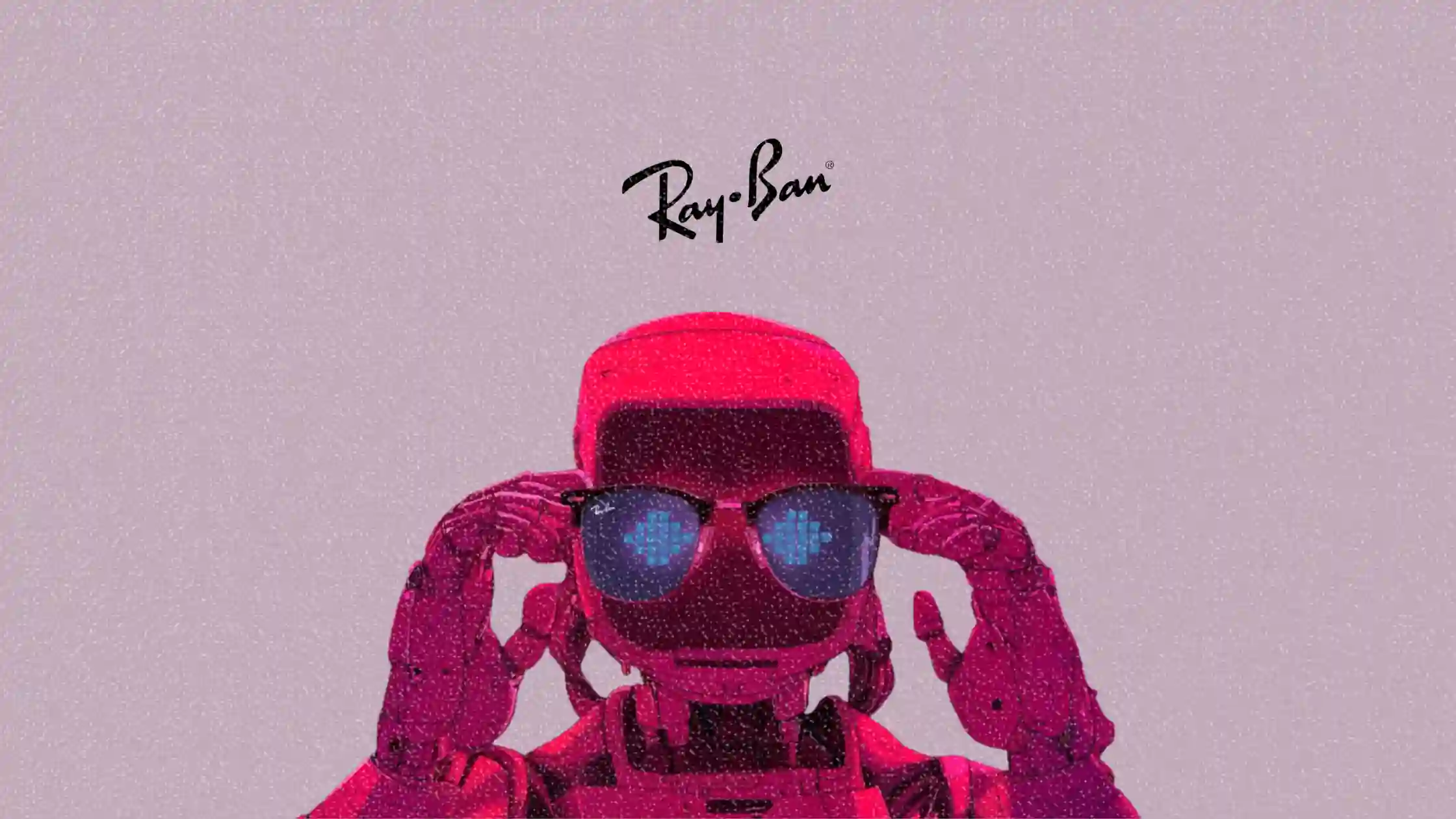
2. Colgate x IU – K-pop campaign
Colgate partnered with IU to make oral care feel aspirational and lifestyle-driven, using storytelling and visuals common in K-pop branding.
What makes it Gen Z: It transforms a low-interest category into culturally relevant content through celebrity credibility.
 Patrecia Meliana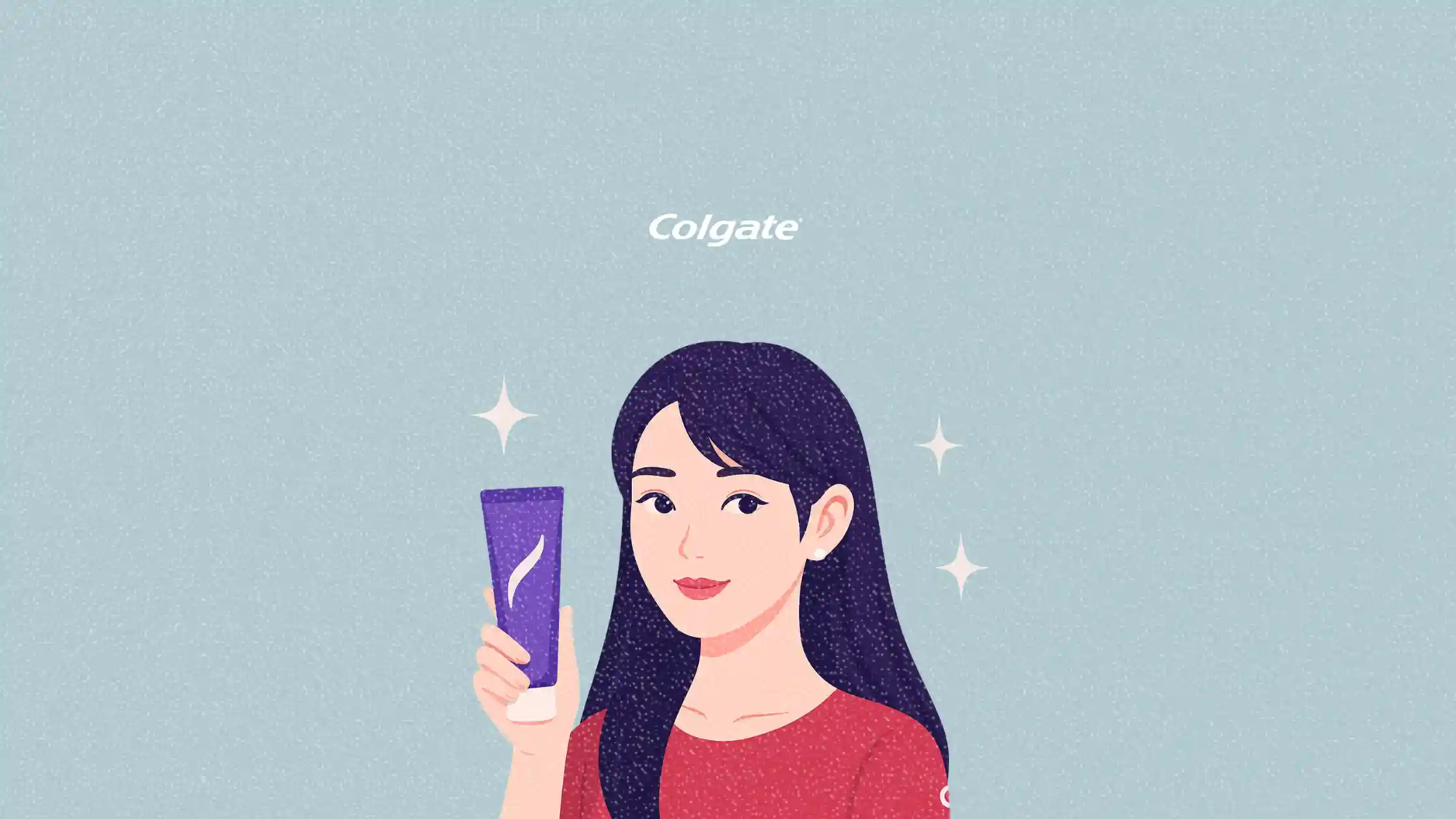
3. Indomie x NewJeans collaboration
Indomie collaborated with NewJeans, a group with strong Gen Z appeal, to modernize its brand perception across Southeast Asia.
What makes it Gen Z: It bridges local brand familiarity with global youth culture, making it highly shareable across markets.
 Patrecia Meliana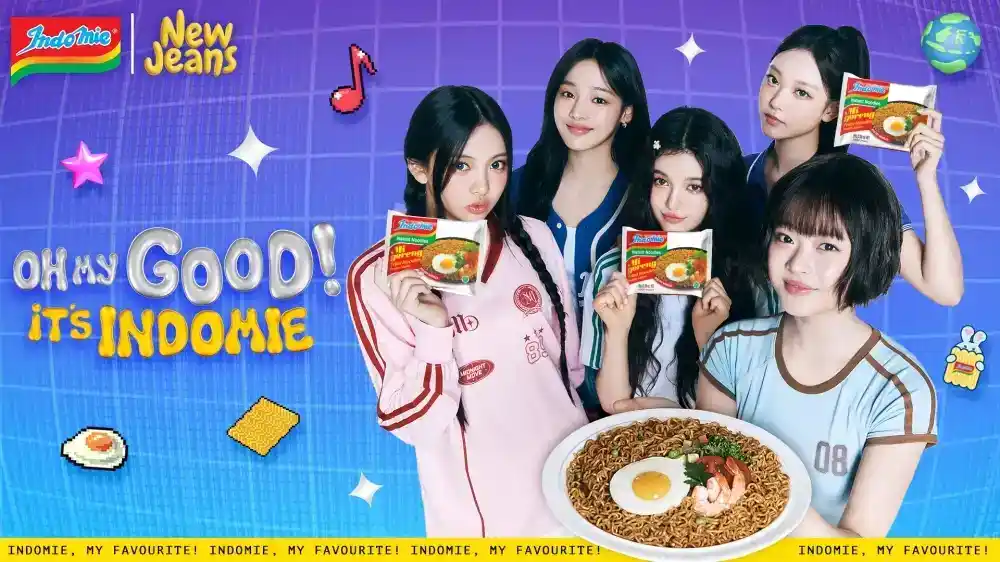
4. GAP x KATSEYE collaboration
GAP partnered with emerging group KATSEYE to reconnect with younger audiences through fashion and music.
What makes it Gen Z: It prioritizes rising talent and community discovery over legacy celebrity endorsements.
 Patrecia Meliana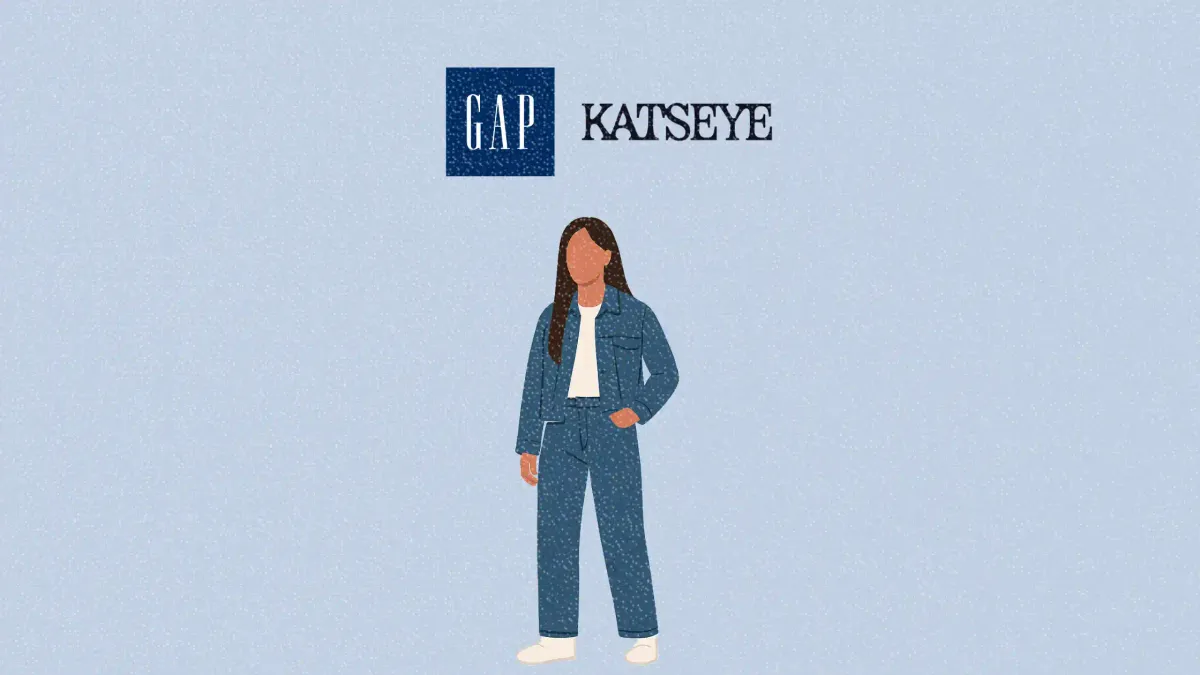
5. Hada Labo x ANNA
Hada Labo used minimalist visuals and idol-driven storytelling to appeal to Gen Z in APAC.
What makes it Gen Z: It focuses on visual identity and rising talent, aligning with how younger audiences discover and engage with new creators.
 Patrecia Meliana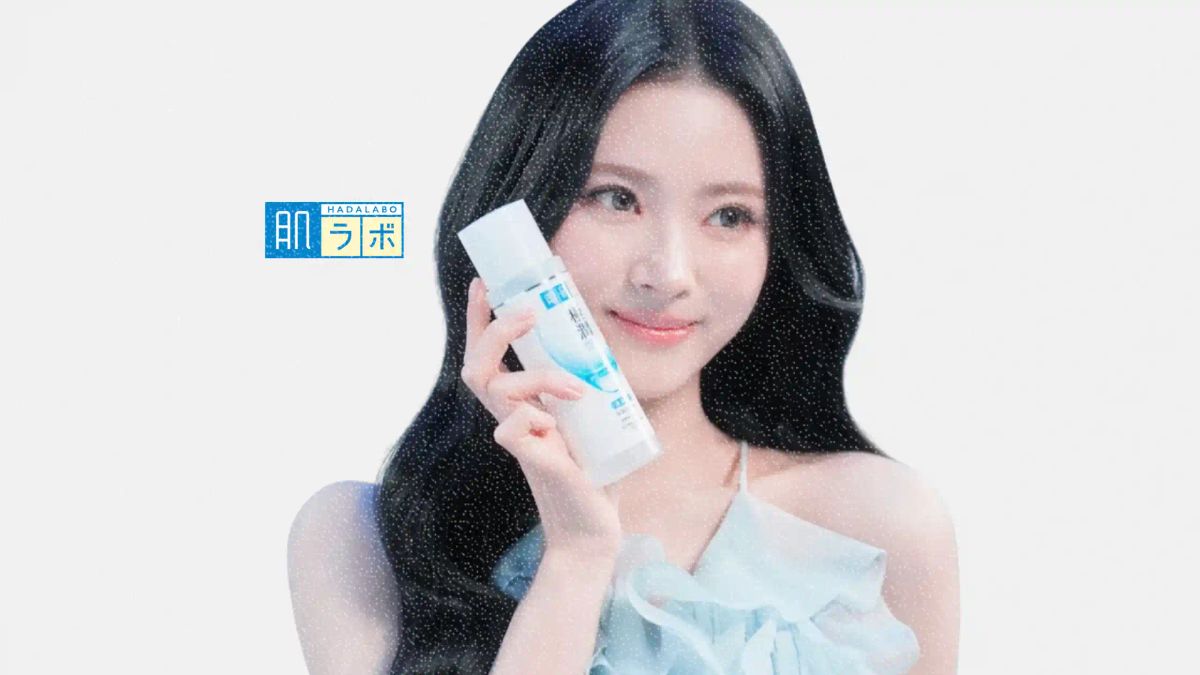
TikTok and social-first campaigns
6. e.l.f. Cosmetics – #EyesLipsFace TikTok campaign
e.l.f. launched a TikTok challenge with a custom sound, encouraging users to create their own content. It quickly became one of the platform’s most viral brand campaigns.
What makes it Gen Z: The campaign is built for participation, not consumption, aligning with TikTok’s creator-first behavior.
@elfyeah How do you express your e.l.f. 💃🕺#expressyourelf #eyeslipsface #elfcosmeticsuk 🇬🇧
♬ original sound - e.l.f. Cosmetics
7. Stanley – viral TikTok tumbler campaign
Stanley’s tumbler gained traction through organic creator videos, including storytelling around durability and lifestyle use.
What makes it Gen Z: The campaign evolved from community-driven content rather than brand-controlled messaging.
@stanley1913 #stitch with @Danielle Stanley has your back ❤️
♬ original sound - Stanley 1913
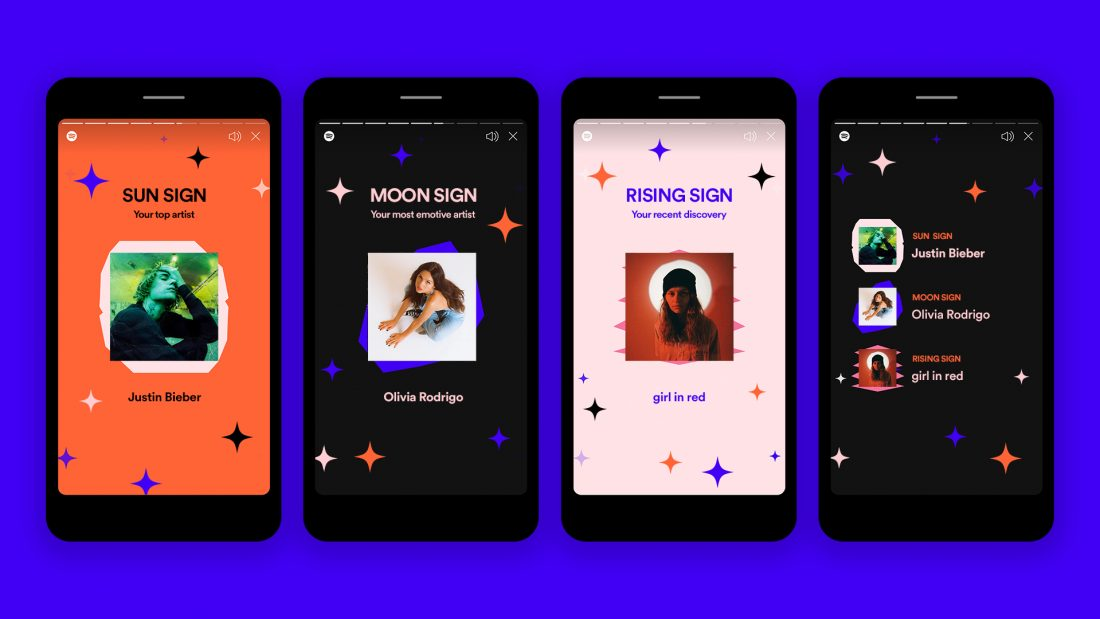
8. Spotify – “Only You” campaign
Spotify used listener data to generate personalized insights that users could share on social media.
What makes it Gen Z: It turns personal identity into content, making users the main character of the campaign.
9. Netflix – “Wednesday” TikTok dance campaign
Netflix turned a scene from Wednesday into a viral TikTok trend, with Jenna Ortega’s dance being recreated by creators, influencers, and brands worldwide. The campaign was not pushed as a traditional ad but amplified through user-generated content and trending sounds.
What makes it Gen Z: It transforms entertainment into participatory culture, where audiences actively recreate and spread content instead of just watching it.
@netflix THE DANCING SCENE FROM WEDNESDAY!! The iconic Raven's dance to the Goo Goo Muck song. #WednesdayNetflix
♬ original sound - Netflix - Netflix
 Patrecia Meliana
Purpose-driven and identity-led campaigns
10. Nike – “Why Do It” campaign
Nike’s “Why Do It” campaign shifts the focus from performance to personal motivation, exploring the emotional and psychological reasons behind why people move, train, and push themselves. The campaign leans into storytelling that feels more introspective and less heroic, aligning with how younger audiences define success and progress.
What makes it Gen Z: It reframes ambition in a more personal, self-aware way, moving away from traditional “just win” narratives toward purpose, identity, and individual meaning.
 Patrecia Meliana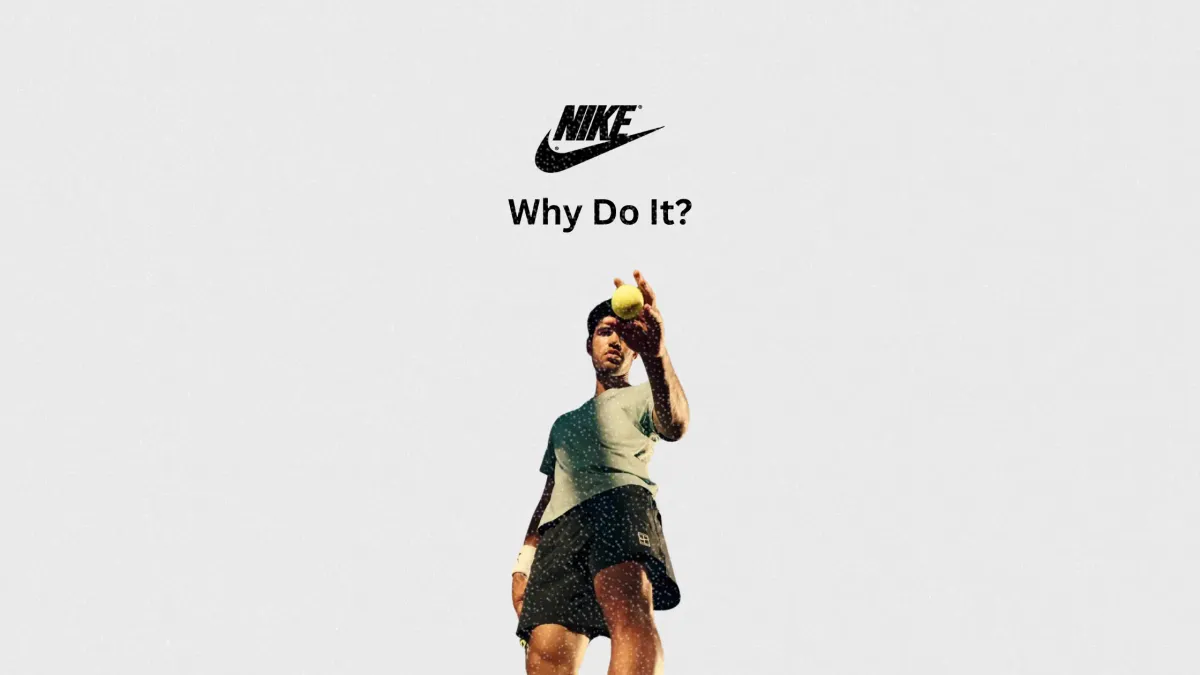
11. Levi’s – “Buy Better, Wear Longer” campaign
Levi’s emphasized sustainability and responsible consumption through storytelling and education.
What makes it Gen Z: It reflects Gen Z’s growing focus on environmental impact and conscious buying.
12. Rare Beauty – “Stay Vulnerable” campaign
Rare Beauty built its messaging around mental health and emotional openness.
What makes it Gen Z: It prioritizes authenticity and emotional connection over aspirational perfection.
13. adidas – Superstar as a symbol of rebellion
adidas repositioned its classic sneaker as a symbol of individuality and self-expression.
What makes it Gen Z: It connects products to identity, not just utility.
 Patrecia Meliana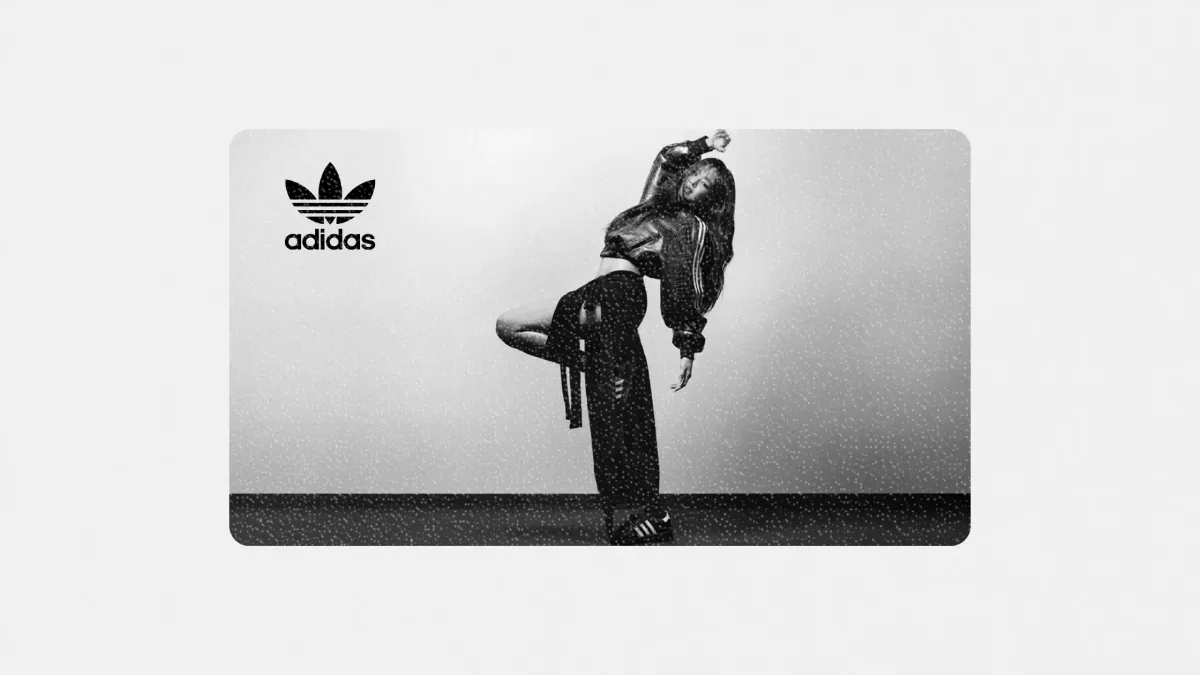
14. Crocs – “Come As You Are” revival
Crocs leaned into its polarizing image and embraced individuality and customization. The campaign was led by brand ambassadors Drew Barrymore, John Cena, YOONA and Henry Lau.
What makes it Gen Z: It celebrates self-expression and community creativity.
Anti-marketing and unconventional branding
15. Liquid Death – anti-marketing campaigns
Liquid Death uses edgy humor, bold visuals, and unconventional messaging to market water like a lifestyle brand.
What makes it Gen Z: It rejects traditional advertising and mirrors internet humor and irony.
16. Chagee – “Bes-tea” campaign
Chagee used wordplay and relatable social content to engage younger audiences.
What makes it Gen Z: It uses simple, shareable language that fits everyday digital conversations.
 Patrecia Meliana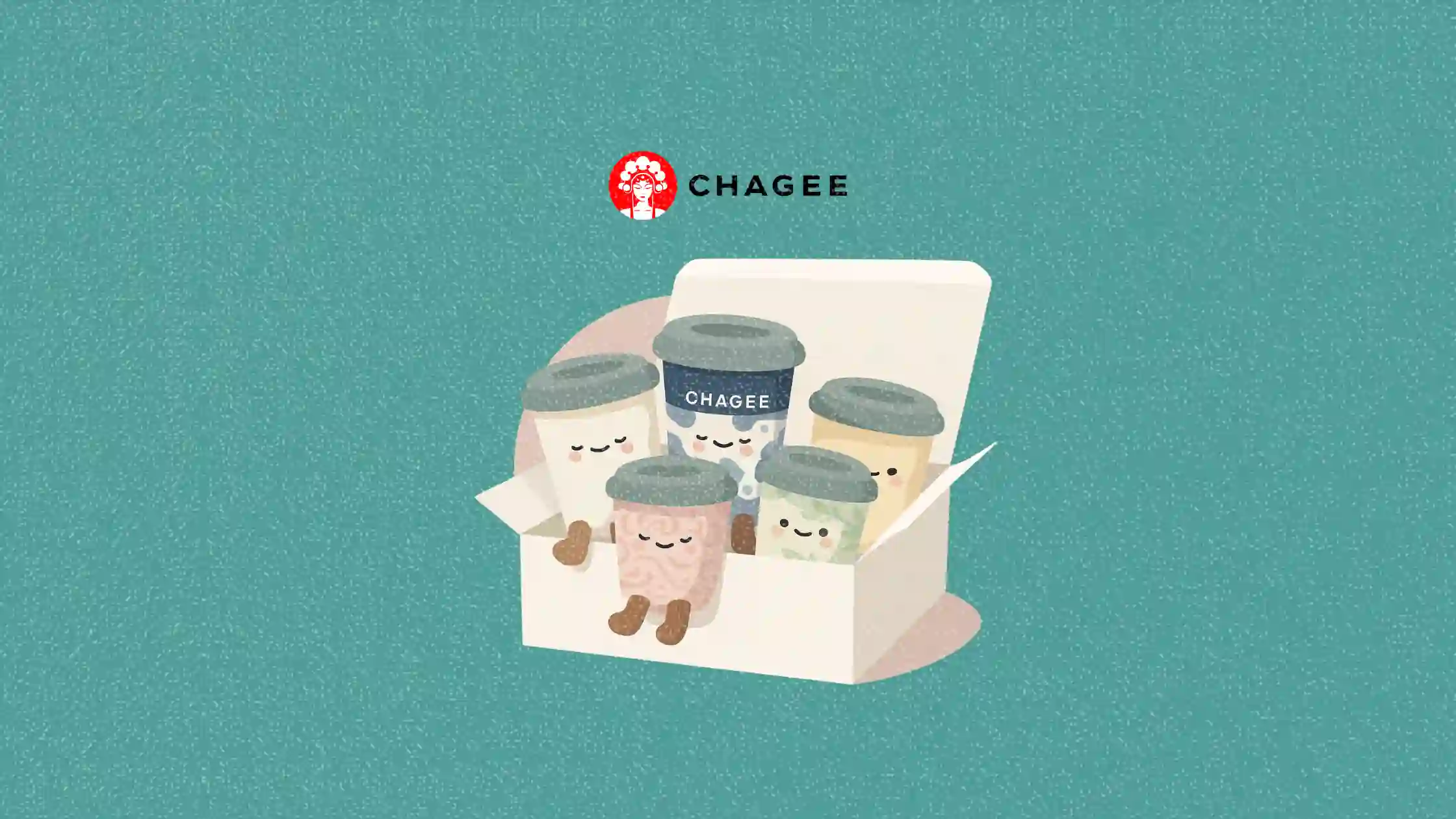
Platform and product repositioning for Gen Z
17. Dove – “Turn Your Back” TikTok campaign
Dove launched the “Turn Your Back” campaign on TikTok to challenge harmful beauty filters. Creators were encouraged to physically turn their backs on the camera when a filter was applied, rejecting unrealistic beauty standards and calling out the impact on self-esteem.
What makes it Gen Z: It is platform-native, participatory, and values-driven. The campaign directly engages Gen Z concerns around authenticity, mental health, and digital identity while inviting creators to take a visible stance.
18. Tinder – “Crush feelings” campaign
Tinder reframed dating as emotional and intentional rather than purely casual.
What makes it Gen Z: It aligns with evolving attitudes toward relationships and self-awareness.
 Patrecia Meliana
19. Huawei – “Now is yours” campaign
Huawei positioned its products around empowerment and ambition among younger consumers.
What makes it Gen Z: It ties technology to personal identity and future aspirations.
 Patrecia Meliana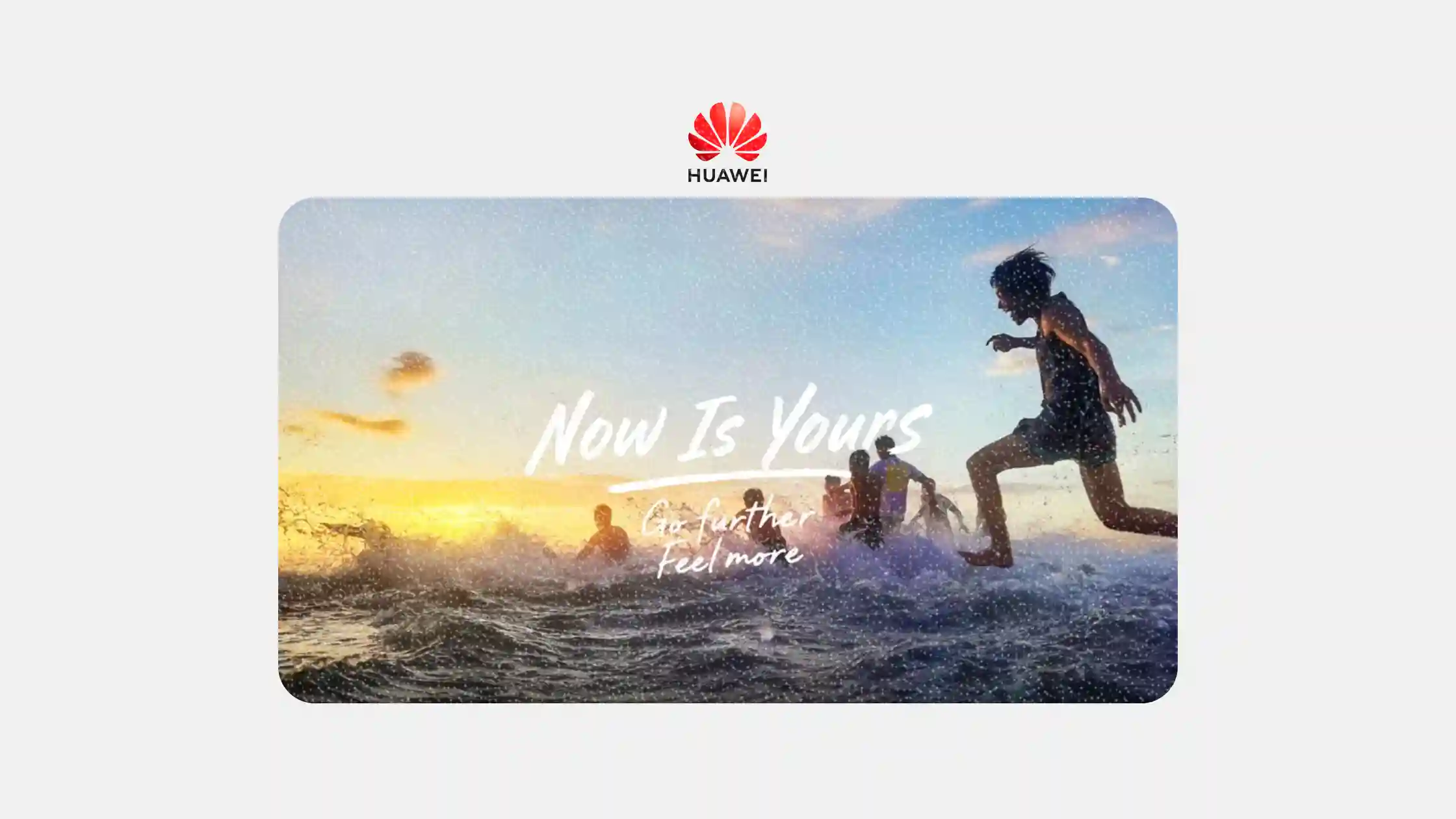
20. McDonald’s – Monopoly Gen Z revival campaign
McDonald’s refreshed its Monopoly campaign with digital engagement and social relevance.
What makes it Gen Z: It combines nostalgia with modern interaction formats.
 Patrecia Meliana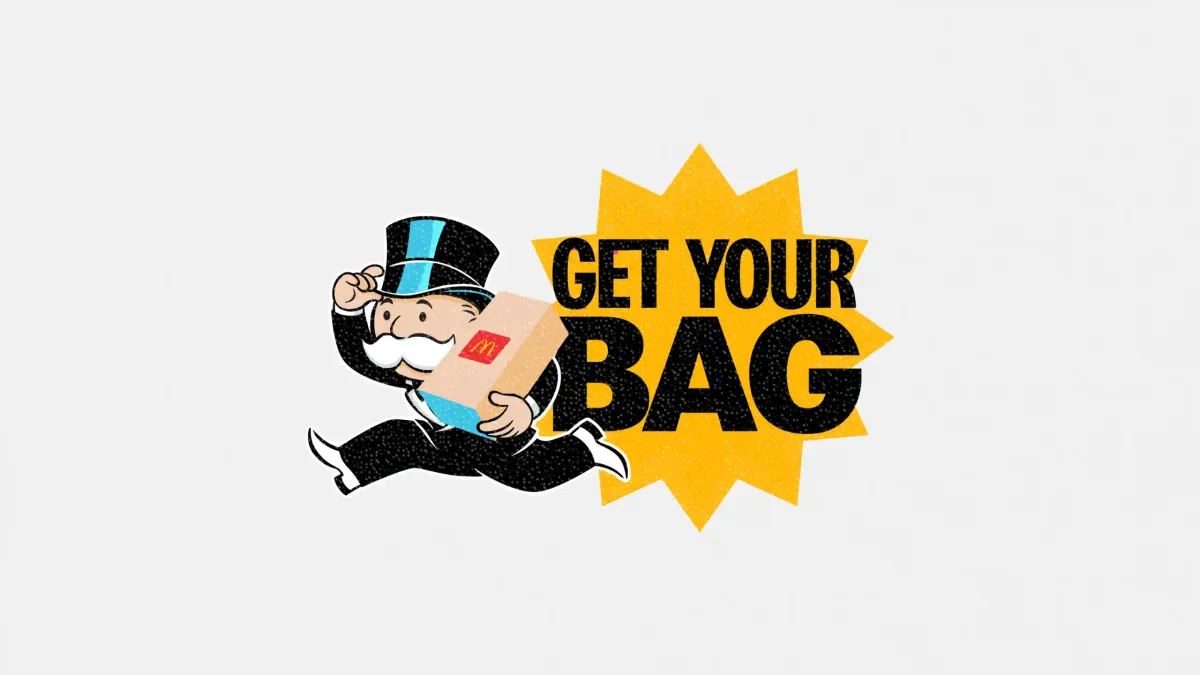
21. Charm – Kartini Day campaign
Charm tapped into Kartini Day to connect with Indonesian Gen Z through cultural storytelling.
What makes it Gen Z: It blends local identity with social awareness, making it highly relatable in-market.
 Patrecia Meliana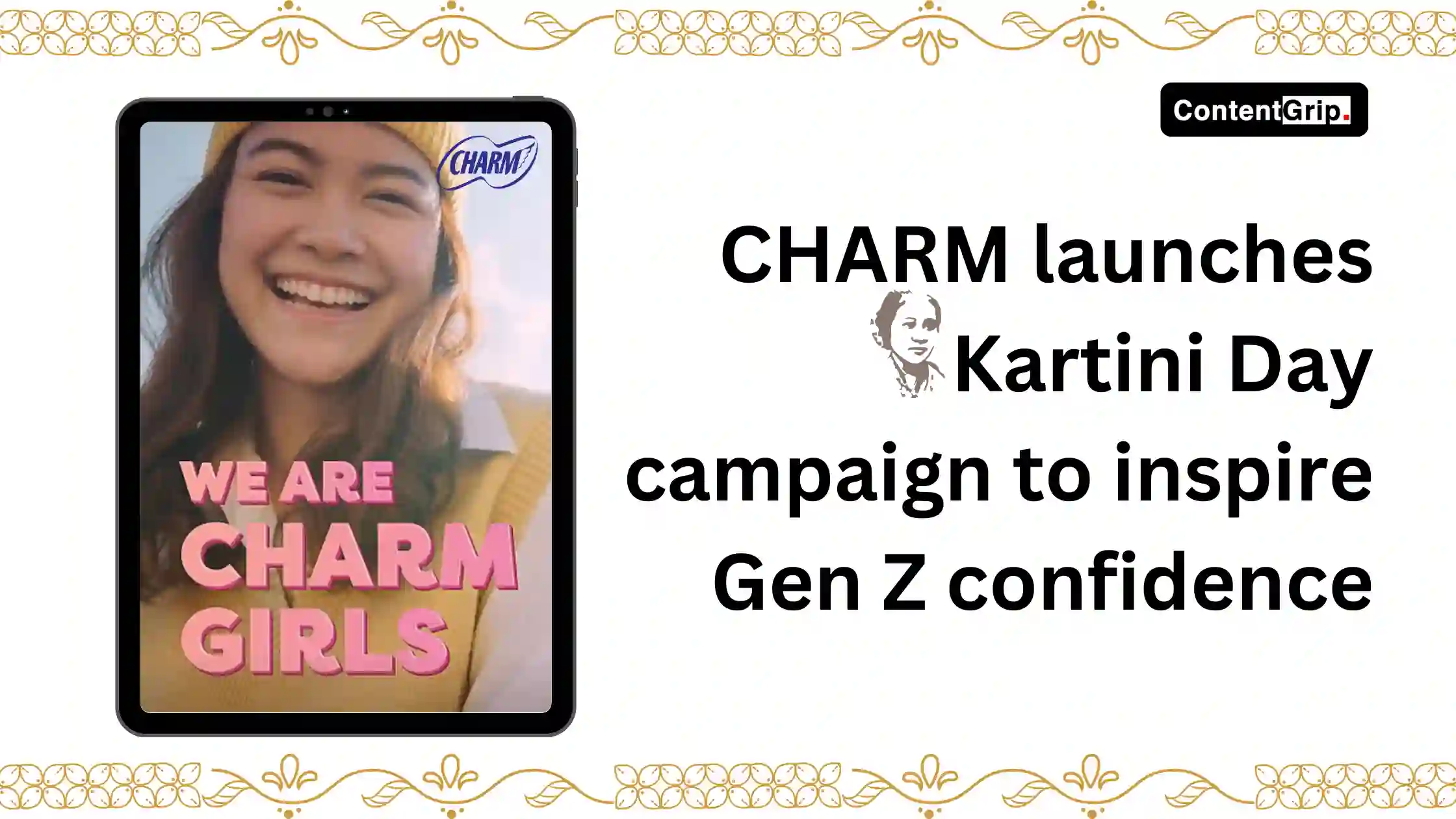
22. Sprite – “It’s That Fresh”
Sprite repositioned itself as part of everyday Gen Z moments, shifting away from product-centric messaging toward culture and lifestyle integration.
What makes it Gen Z: It embeds the brand into real-life behaviors instead of pushing product features, making it feel more natural and relatable.
Patrecia Meliana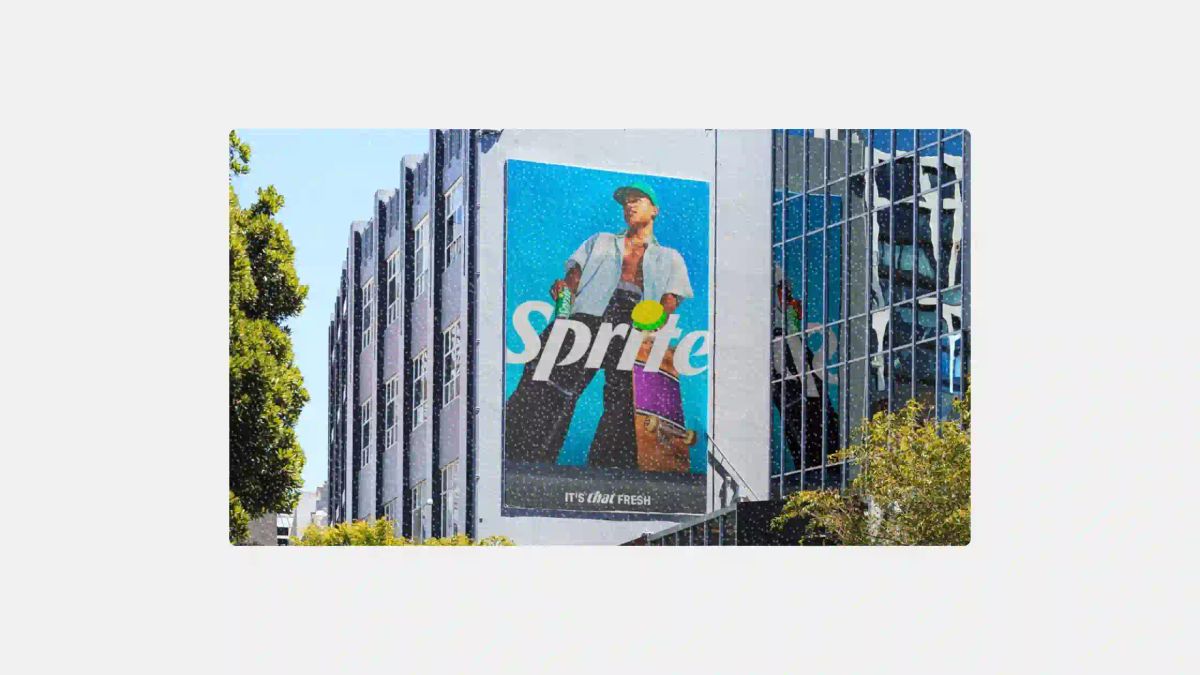
Community-first and exclusive campaigns
23. Depop – community-led campaigns
Depop built its campaigns around user participation, encouraging its community to showcase personal style and identity through peer-driven content.
What makes it Gen Z: It centers on community influence rather than brand messaging, reflecting how Gen Z trusts people over brands.
@depop Selling made simple. List your clothes on Depop with no selling fees. Terms apply.
♬ original sound - Depop - Depop
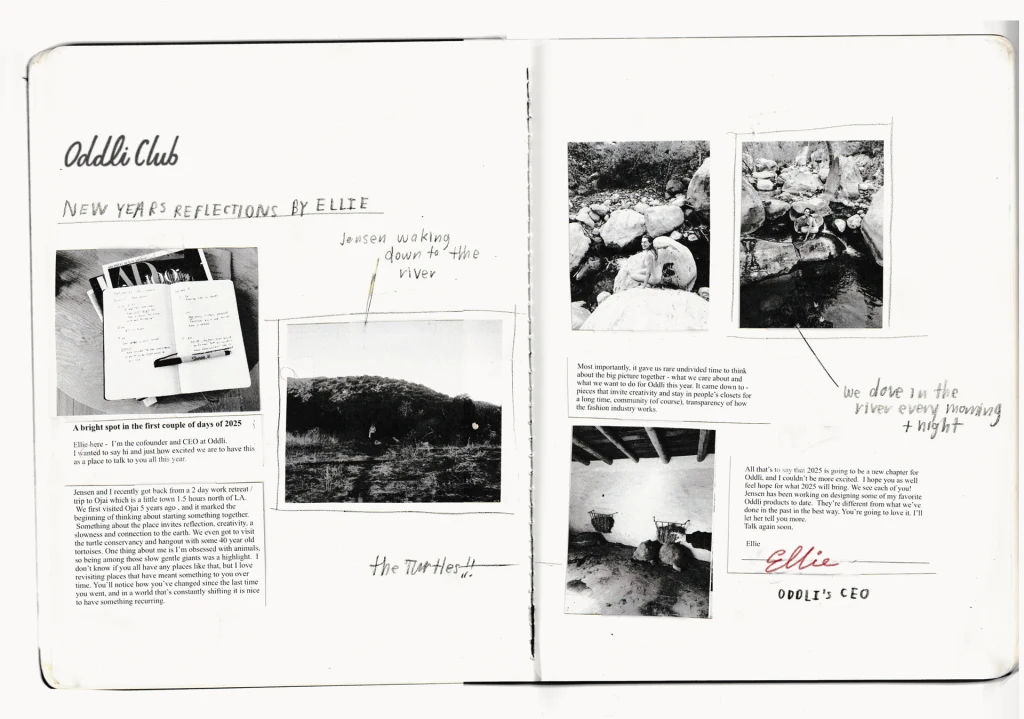
24. Oddli – “Close Friends” strategy
Oddli used Instagram’s Close Friends feature to share exclusive content and product drops with a smaller, more engaged audience.
What makes it Gen Z: It creates a sense of exclusivity and belonging, tapping into Gen Z’s preference for private and intimate digital spaces.
The 5 principles behind high-performing Gen Z campaigns
High-performing Gen Z campaigns are not defined by platform or format. They succeed when they align with how Gen Z already behaves online.
Across the campaigns above, several consistent patterns stand out:
- Culture-first, not product-first
- Participation over polish
- Identity-driven storytelling
- Creator-led distribution
- Community amplification
These principles show up across nearly every successful campaign, regardless of industry or region. In practice, this means Gen Z campaigns work best when:
- Content is shareable and easy to recreate
- Messaging feels authentic rather than overly produced
- Campaigns are built with creators, not just for them
- The brand fits naturally into culture instead of interrupting it
Emerging Gen Z campaign trends marketers should watch
Gen Z marketing continues to evolve as platforms, behaviors, and cultural signals shift. While the core principles remain the same, new patterns are emerging in how campaigns are discovered, shared, and remembered.
Here are the key trends shaping the next wave of Gen Z campaigns:
1. Nostalgia as emotional connection
Campaigns like Mentos x Fortnite blend past and present culture to create familiarity while staying relevant. For Gen Z, nostalgia is less about lived experience and more about aesthetic and emotional storytelling that feels comforting and shareable.
2. TikTok as a search engine
Gen Z is increasingly using TikTok to discover brands, products, and trends instead of relying on traditional search engines. This means campaigns need to be optimized for discovery through short-form video, keywords, and creator content, not just Google rankings.
3. Creator-led distribution
Creators are no longer just amplifiers, they shape how campaigns are interpreted and spread. Brands that collaborate early with creators tend to see more authentic engagement and stronger reach.
4. Live and experiential marketing
Live events, fandom communities, and shared digital experiences are becoming more important in building connection. These moments give Gen Z something to participate in, not just watch, making campaigns more memorable.
5. Identity-driven content
Gen Z engages most with content that reflects who they are or who they aspire to be. Campaigns that tap into self-expression, values, and personal identity tend to drive deeper engagement and sharing.
What marketers should take from these campaigns
Across global and Asian markets, several patterns stand out:
- Start with culture, not channels
- Design for participation, not impressions
- Collaborate with creators early
- Localize campaigns for regional relevance
- Build community, not just reach
Gen Z marketing campaigns are not defined by a single playbook. They vary across regions, platforms, and industries, but they share a common foundation in culture, identity, and community behavior.
For marketers, the opportunity lies in understanding what makes a campaign feel native to Gen Z, whether that is through K-pop collaborations, meme culture, or purpose-driven storytelling, and applying those principles in a way that fits their brand.