
Gundam turns its anime archive into a free movie marketing funnel
Gundam SEED FREEDOM ZERO uses free anime streaming, returning musicians and familiar voices to build anticipation for its 2027 movie.


For fans of Bandai Namco Filmworks' Gundam franchise, a new movie can be an invitation to revisit characters, opening songs and storylines they grew up with. But when the next chapter belongs to a timeline that began more than 20 years ago, remembering where everyone left off is part of the experience.
On November 28, the studio revealed the main trailer and key visual for Mobile Suit Gundam SEED FREEDOM ZERO, alongside a free streaming schedule, returning musicians and messages from the English-language cast. Its strategy is not just to show fans something new. It is also giving them a way to watch the stories that came before it.
Feature visual: ©SUNRISE.
Table of contents
Jump to each section:
- Why the Gundam archive matters to fans
- How free streaming prepares audiences for the movie
- Why familiar songs and voices do more than sell nostalgia
- What entertainment marketers can learn from Gundam
Why the Gundam archive matters to fans
For someone who watched Gundam SEED when it first aired in 2002, the new film is another visit to a world they have known for more than two decades. For someone discovering the franchise today, however, the amount of television to catch up on can make the same release feel intimidating.
Gundam SEED takes place in the franchise's Cosmic Era timeline, a setting separate from some of its other long-running stories. Its 2024 movie, Mobile Suit Gundam SEED FREEDOM, continued the television narrative. FREEDOM ZERO fits between SEED DESTINY and that movie, giving audiences another piece of the timeline rather than simply restarting the story.
The previous film demonstrated the size of the audience that can still be reached. Bandai Namco Filmworks says it grossed more than 5.8 billion yen and attracted over three million moviegoers, making it the franchise's highest-grossing theatrical release. Those are results for the earlier film, not a forecast for FREEDOM ZERO.
The challenge now is to make a new chapter feel accessible without stripping away the history that makes it meaningful. The release calendar gives fans time to revisit the story before they buy a ticket, instead of asking a trailer to do all the work.
How free streaming prepares audiences for the movie
The studio is using GUNDAM CHANNEL INTERNATIONAL as the home for a free viewing program. The English-dubbed original SEED is already available in full, while episodes of SEED DESTINY have been arriving daily. Special editions of the television stories are scheduled for January 11, and the previous movie, SEED FREEDOM, joins the lineup on January 29.
The company says the free streaming program will run through the end of March 2027. The latest announcement also points viewers to roughly 30-minute digest videos for the two television series, offering an alternative to watching dozens of episodes. Availability may vary by market.
That timing matters. FREEDOM ZERO is due in Japanese theaters on January 15 and in North American theaters in February. For the North American audience, the January 29 movie addition creates a relatively short window to revisit the previous film just ahead of the new release.
There is a difference between a recap that gives viewers enough information to follow a plot and an archive that lets them spend time with the characters again. Gundam is offering both. A viewer short on time can choose a digest, while a returning fan can follow a daily episode schedule.
It also gives the studio more than one reason to speak to its audience between the trailer reveal and the premiere. Each addition has its own value as entertainment, regardless of whether viewers immediately commit to seeing the new film.
Why familiar songs and voices do more than sell nostalgia
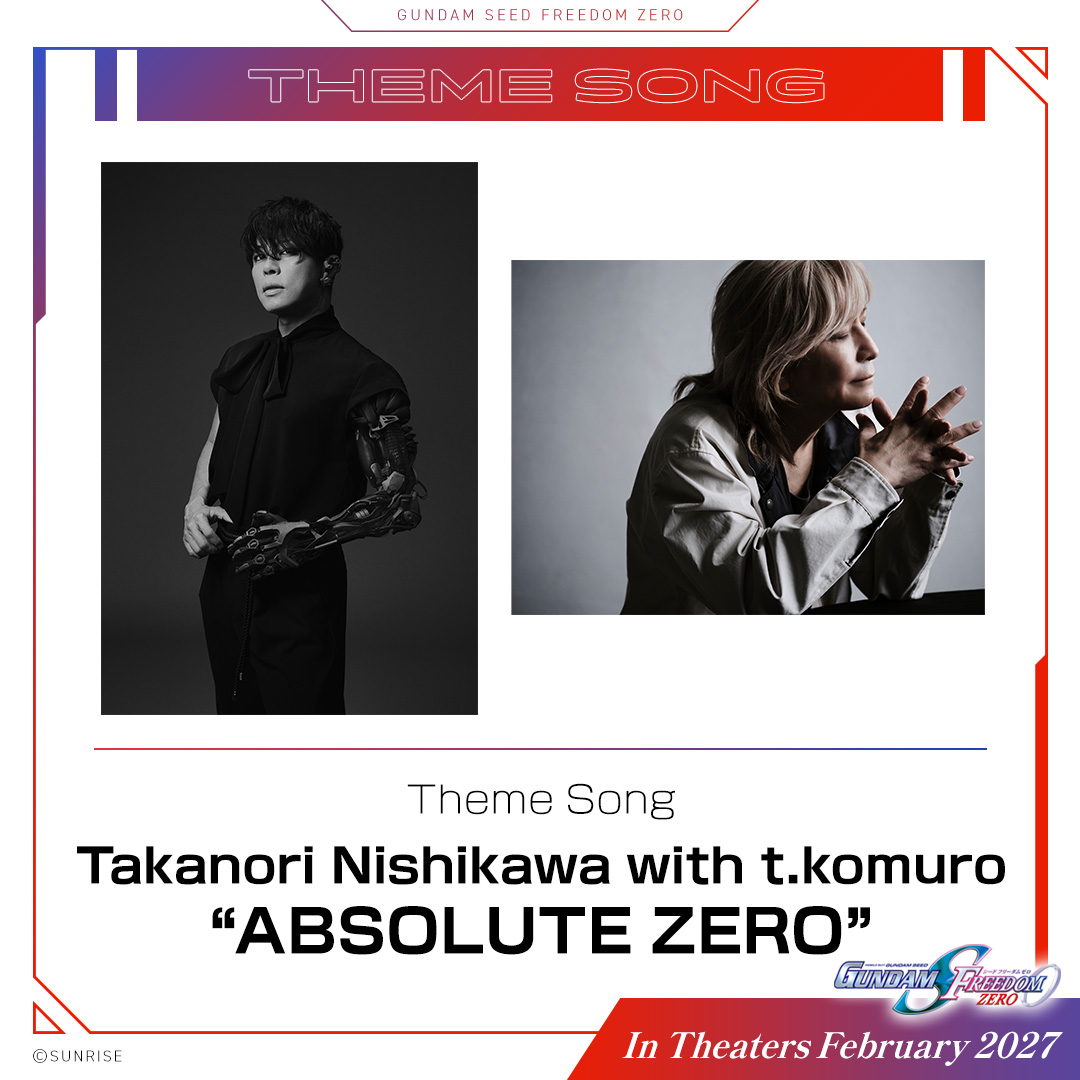
The main trailer introduces ABSOLUTE ZERO, a theme song by Takanori Nishikawa with t.komuro. Nishikawa's association with Gundam SEED goes back to the earlier television series. The return of the musical pairing gives the soundtrack a connection to that history, rather than treating it as a celebrity feature detached from the film.
See-Saw, another act closely associated with SEED, performs the ending theme. Composer Yuki Kajiura described the new melodies as ones that “looked ahead to the next chapter and yet sounded somewhat nostalgic.” That balance is particularly relevant for a story inserted into an established timeline.
The original English-language voice cast also features in the promotion. Video messages include Matthew Erickson, Matt Hill and Sam Vincent, who are associated with Shinn Asuka, Kira Yamato and Athrun Zala, respectively.
A voice or a familiar musical style can bring an older story to mind before a character appears on screen. The decision to include messages from the performers gives viewers another way to reconnect with the property, including people whose first experience was through the English dub.
The new material is not just a replay of an old theme. It introduces a song that audiences can associate with this particular movie. That's a useful distinction for franchise marketers: nostalgia can make a new release recognizable, but the release still needs an identity of its own.
What entertainment marketers can learn from Gundam
The conventional film marketing campaign concentrates attention on a trailer, a poster and an opening date. A franchise with a substantial back catalog can do something different: make its existing entertainment part of the path to the new release.
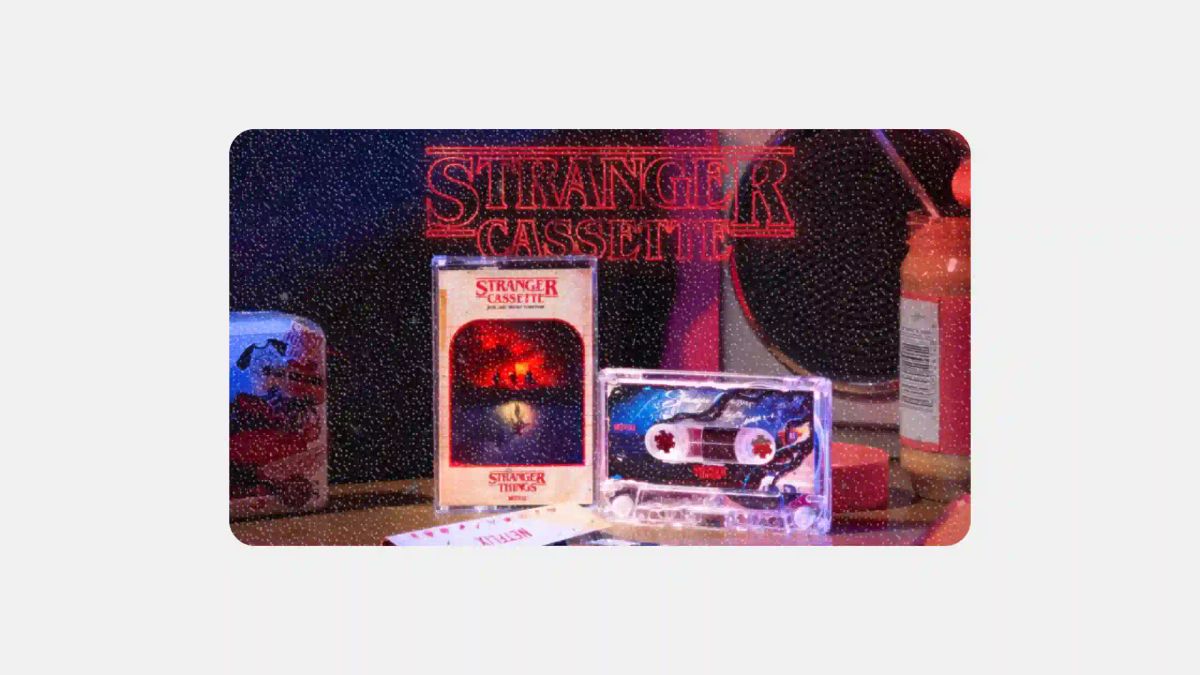
Netflix Thailand used a different format to address a similar problem in its Stranger Things final-season promotion, compressing earlier seasons into an audio recap on cassette. Both campaigns connect memory to a new release, but Gundam is making the original episodes available alongside shorter summaries.
For entertainment teams, the opportunity is to design a route back into the property that matches different levels of familiarity. The people who know every character do not need the same introduction as those who are curious because they have seen the latest trailer.
A useful measurement plan would separate archive viewing, completion of the recap videos, return visits to the official channel and eventual ticket conversion, where trackable. High streaming views alone would not establish that the program sold more tickets; audiences may simply be enjoying the free material. The studio has not disclosed results for the new promotion.
There is a trade-off, too. Making earlier material available without charge requires the appropriate distribution rights, and a campaign team has to decide when the value of rediscovery outweighs other uses of its catalog.
Gundam's approach is interesting because it treats the time before a premiere as part of the entertainment experience itself. Rather than relying entirely on a promise of what comes next, the franchise gives audiences something they can actually watch today.
