
Why Jung Kook’s Calvin Klein capsule hit the fandom sweet spot
Jung Kook’s Calvin Klein capsule mixed personal design details, pop-ups, and flagship exclusives, helping fans treat essentials like collectible drops.

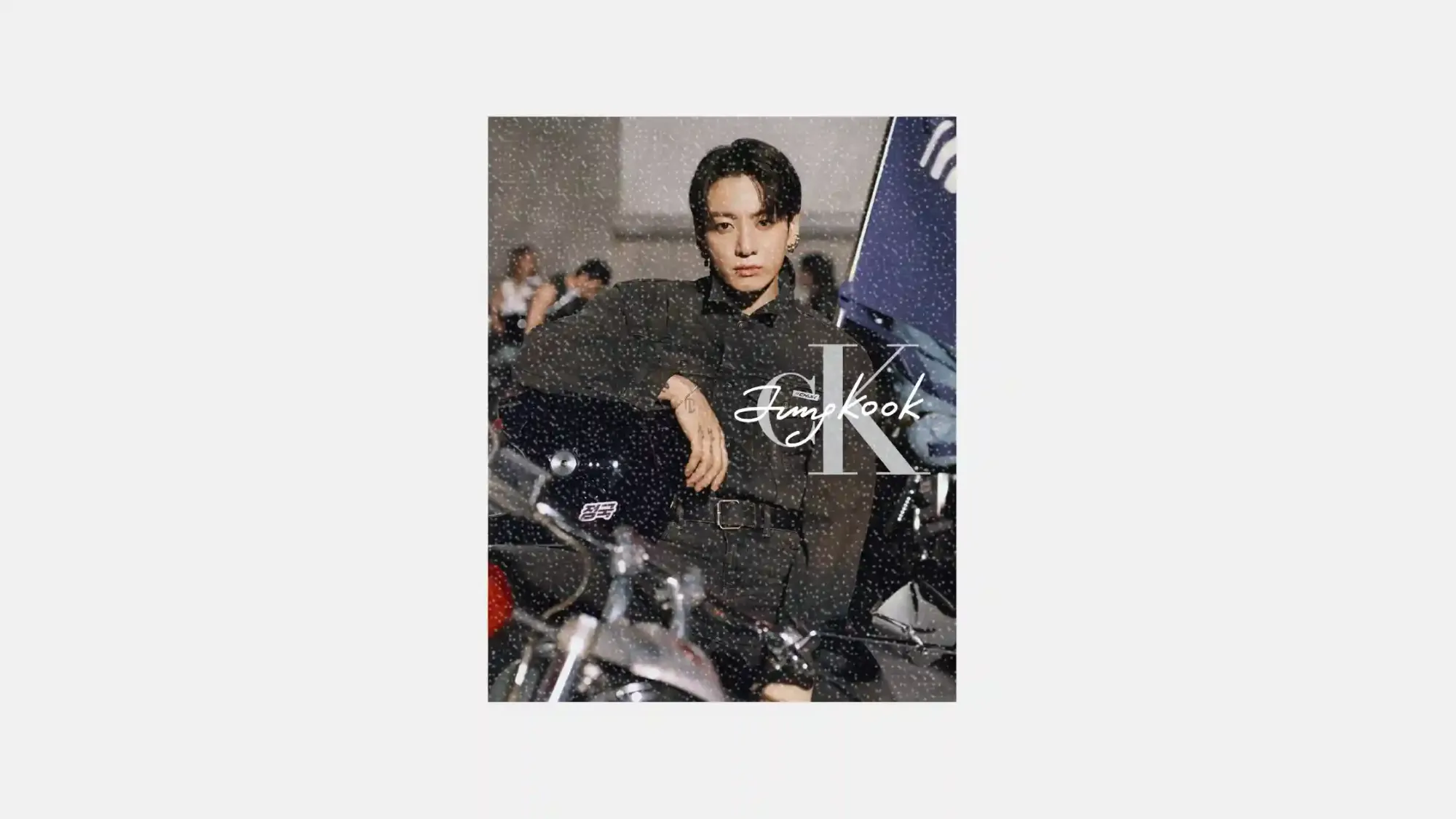
When a fandom decides something is collectible, the product stops being “merch” or “apparel” and becomes proof you were there for the moment. That is the energy that powered Jung Kook’s Calvin Klein capsule: fast sell-outs, “haul” culture, and fans treating packaging like part of the drop.
Calvin Klein and Jung Kook framed the collaboration as his first fashion capsule, with a 20-style men’s and women’s range that reworks Calvin Klein essentials through a biker-inspired concept tied to Jung Kook’s love of motorcycles. The brand outlined the details in an official announcement.
Among the clearest signals here is how the campaign leaned into fan expectations: personal touches on garments, limited retail moments, and physical spaces designed to feel like a destination, not just a store.
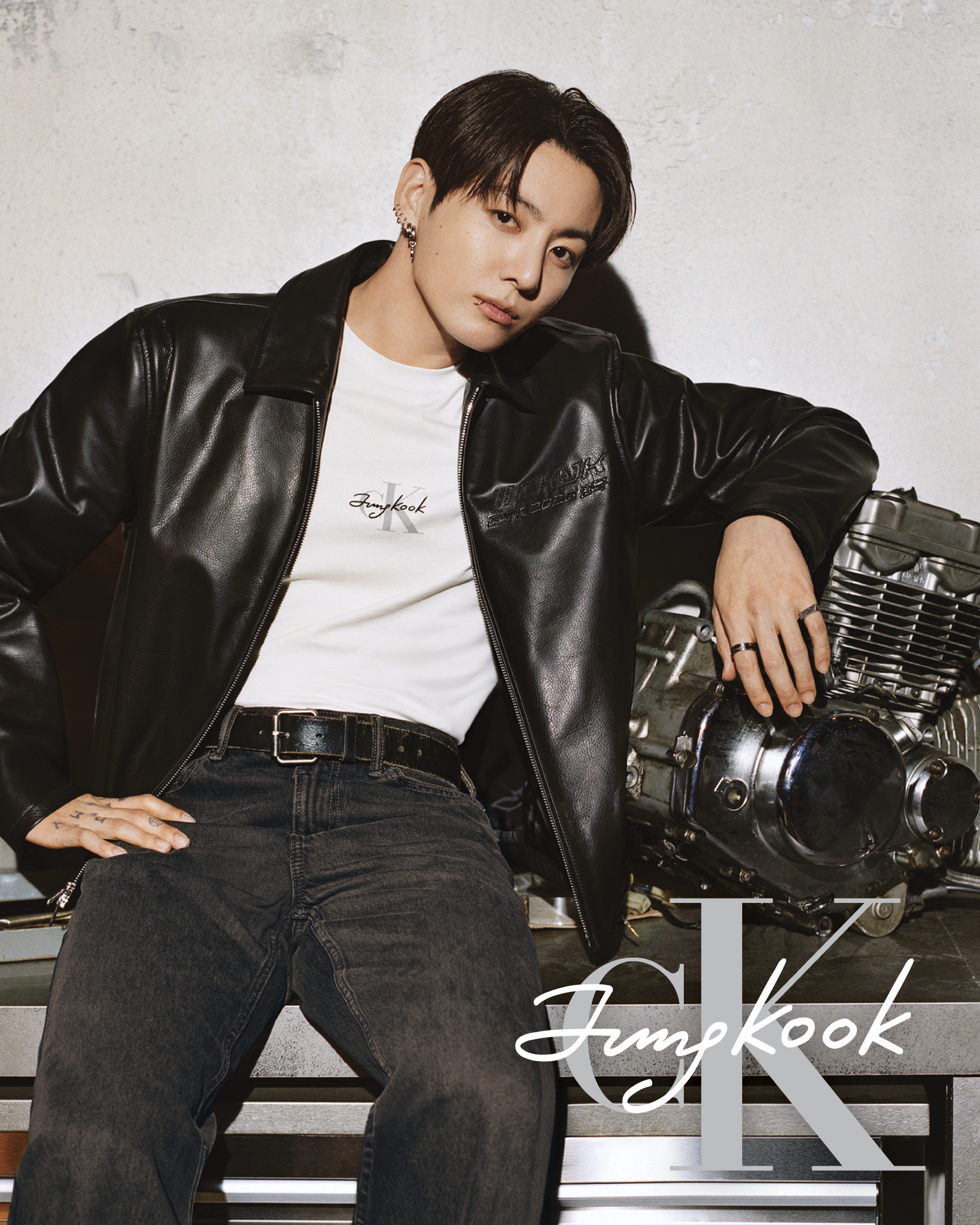
Table of contents
Jump to each section:
- How the capsule turned essentials into collector pieces
- What Calvin Klein actually built: product, pricing, and availability
- Why pop-ups and flagship exclusives mattered as much as the campaign
- What this means for marketers chasing culture
How the capsule turned essentials into collector pieces
A lot of celebrity fashion collabs aim for “wearable.” Fandom-driven drops aim for “ownable.” This capsule clearly played into the second impulse: fans chasing the exact pieces Jung Kook wore in the campaign, and sharing unboxings and haul-style content that treated shopping bags and custom packaging as part of the experience.
The design choices reinforced that collector logic. The range included special logo branding, interior woven labels, and hidden embroidery, plus Jung Kook-inspired graphics and custom denim washes. Those details are small, but they function like easter eggs: they reward fans who look closely, and they make the items feel specific to this moment.
Calvin Klein also described the collaboration as its most successful to date, with rapid sell-through across regions. In Asia, it saw near-complete sell-through on TMall in China, and e-commerce sites in North America and EMEA sold out of capsule styles.
 ContentGrip
What Calvin Klein actually built: product, pricing, and availability
The capsule was positioned as a reimagining of Calvin Klein “icons” through Jung Kook’s personal style, blending biker attitude with familiar brand codes. Product-wise, it centered on underwear and key denim silhouettes, including the 90s trucker jacket and 90s straight and low-rise baggy styles, alongside graphic tees, sweatshirts, and a racer jacket.
The campaign world matched that framing. Calvin Klein described a cinematic campaign shot by Alasdair McLellan, built around a biker concept that nods to Jung Kook’s passion for motorcycles, using portraits and trailers to create a specific “modern icon” narrative rather than a standard lookbook drop.
Availability was split across channels and formats: online in participating markets beginning May 19, 2026 at 6:00 PM EST, and in select Calvin Klein stores and wholesale partners on May 20, 2026. Retail prices ranged from $29 to $699, which matters because it keeps the door open for fans at different budgets while still leaving room for premium hero items.
Why pop-ups and flagship exclusives mattered as much as the campaign
The physical strategy here reads like a fandom tour stop. Calvin Klein brought the capsule into stores globally and added bespoke retail pop-ups across cities including Los Angeles, Singapore, Thailand, Sydney, Melbourne, Taiwan, Malaysia, Shenzhen, Chongqing, and Shanghai.
This matters because pop-ups do two jobs at once. They create scarcity and local hype, and they give fans a place to perform the drop publicly: lining up, filming, comparing purchases, and turning shopping into content.
The brand also used flagship exclusivity to sharpen the collector edge. Limited-edition men’s and women’s underwear styles were available exclusively at the Harajuku, Soho, and Champs-Élysées flagship stores. Posters inspired by the campaign were available at pop-ups and participating stores as a collectible gift-with-purchase, which is a classic mechanism for turning a retail visit into a “you had to be there” artifact.
Calvin Klein noted that Jung Kook appeared at the Harajuku flagship to celebrate the partnership alongside friends of the brand, including MINGYU, extending the moment beyond product into event culture.
What this means for marketers chasing culture
This collaboration works as a reminder that fandom isn’t a target segment, it’s a behaviour pattern. People share, collect, line up, and rewatch when the experience feels like it was built with them in mind.
- Design details can be content, not just craftsmanship
Hidden embroidery, interior labels, and special branding are not only product features. They are the kinds of details fans zoom in on, screenshot, and explain to each other. - Collector mechanics travel better than traditional messaging
Custom packaging, exclusive shopping bags, and gift-with-purchase posters give fans physical proof of participation. That proof becomes social content without needing heavy brand narration. - Retail can be a stage when the community already wants to gather
Pop-ups and flagship exclusives turn shopping into a shared activity. Lines around the block are not just demand signals, they are a visible story that spreads. - A tight creative “world” helps drops feel like culture, not commerce
The biker concept and cinematic assets create a coherent narrative. For fandoms, coherence is part of authenticity: the drop feels like a real chapter, not a random licensing moment. - Split pricing can widen participation without diluting hype
A $29 to $699 range lets more fans join in while still preserving premium hero pieces that anchor aspiration and collectability.
The bigger signal is how brand storytelling is increasingly shaped by community rituals: unboxing, lining up, comparing variants, and treating shopping like an event. When brands build for those rituals, the marketing doesn’t need to shout, because the community already knows how to carry the moment forward.