Kantar’s 2026 trends report reveals what’s next for AI, retail media, and creators
Kantar’s new report maps out how AI agents, synthetic data, and creator strategy will reshape marketing in 2026

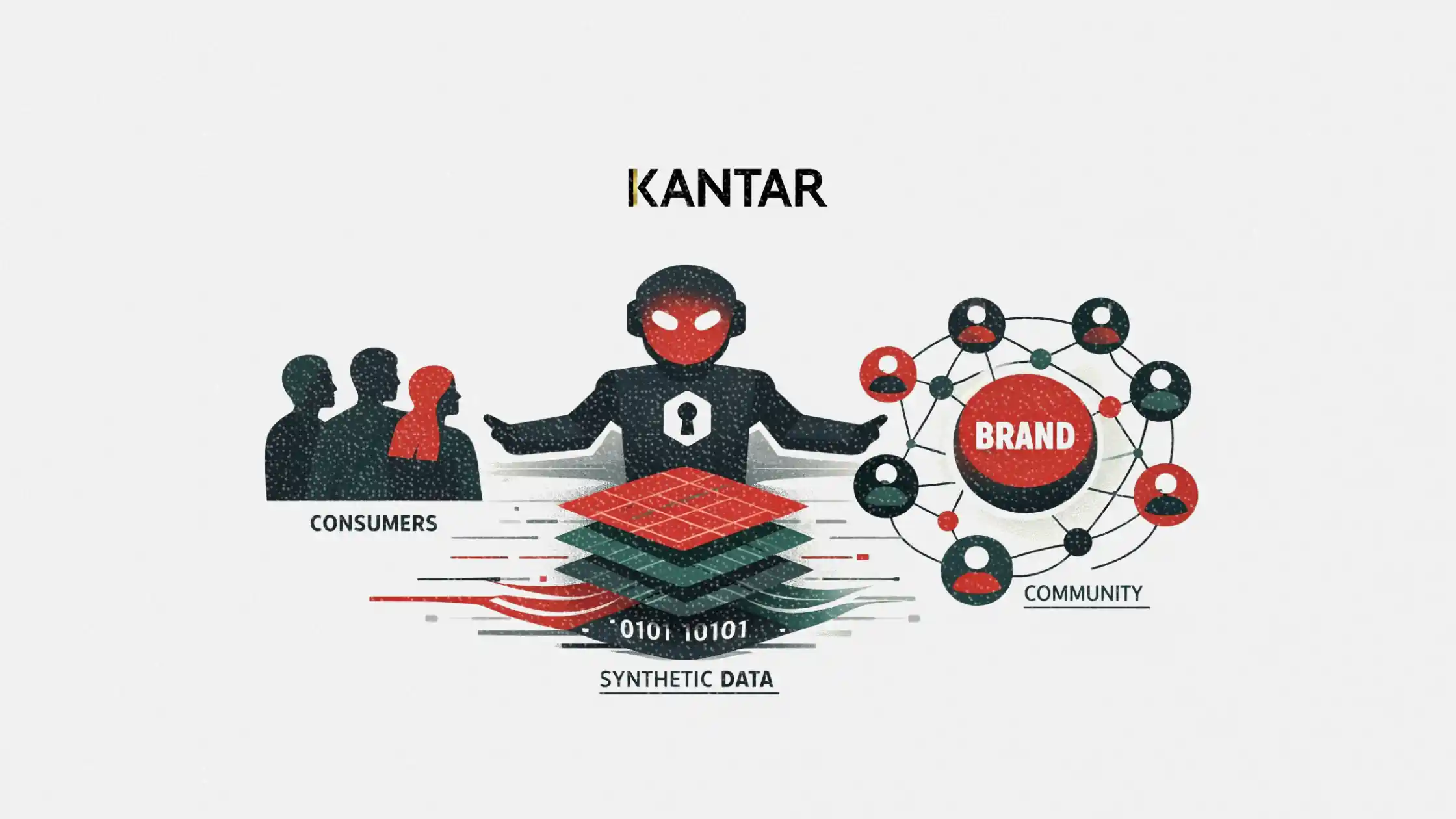
Kantar’s just-released “Marketing Trends 2026” report is a wake-up call for brands still stuck in 2025 playbooks. It is not about keeping up anymore. It is about building brands that thrive in a landscape shaped by AI agents, synthetic data, and evolving creator economies.
From AI agents replacing human search to synthetic data delivering 95% accuracy, the report outlines how brands must evolve to grow. This article dives into the key trends, why they matter now, and what CMOs should do next.
Short on time?
Here’s a table of contents for quick access:
- AI agents will change how people (and bots) buy
- Synthetic data becomes a strategic edge
- Generative Engine Optimization is the new SEO
- Creator content must prove brand impact
- Retail media gets sharper and harder to ignore
- Micro-communities offer deeper trust
- Inclusion is not optional. It is a growth driver
 Patrecia Meliana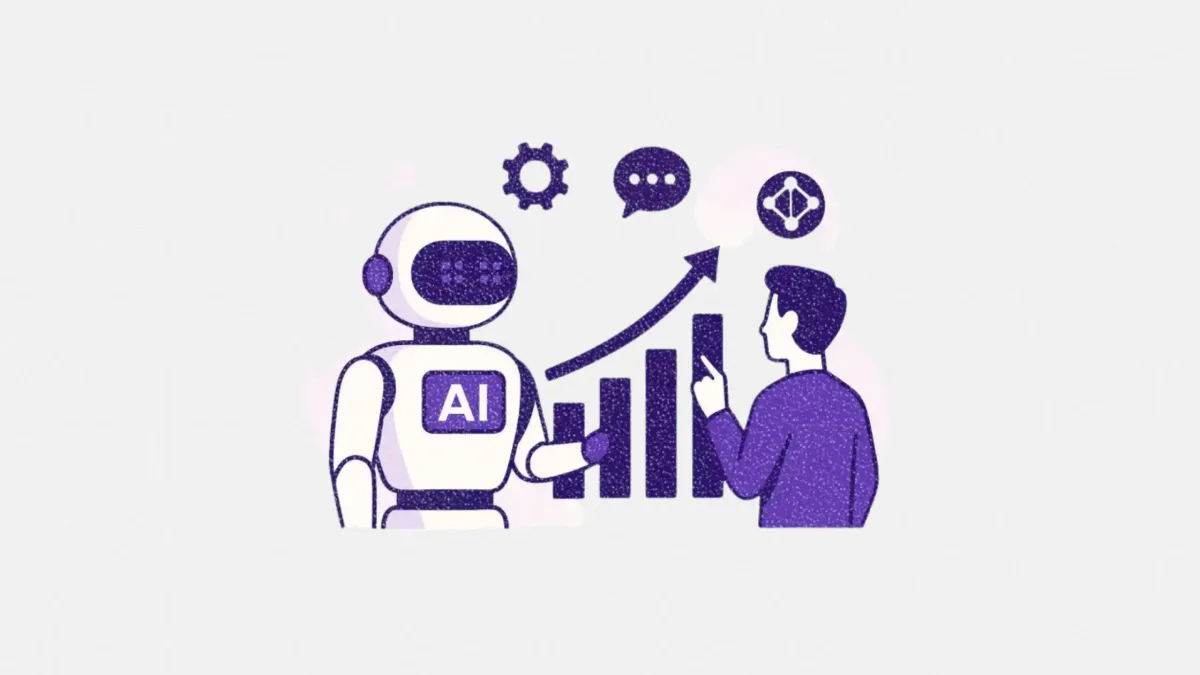
AI agents will change how people (and bots) buy
In 2026, consumers will not just browse. They will brief. AI-powered agents will shop on their behalf, translating user intent into brand choices. Currently, 24% of AI users already use AI agents to assist with purchases.
Consumers will brief their own agents, expressing intent like “I want a sustainable mascara” or “Find me a family-friendly entertainment subscription.” The agents will do the rest.
CMOs must ensure their brands are not just visible to humans but recognizable by AI systems. This includes creating product descriptions, content, and experiences that are structured, emotional, and machine-readable.
OpenAI's announcement to integrate AI agents into browsers points to a new default behavior. Brands that want to win in 2026 must build for these non-human gatekeepers.
 Patrecia Meliana
Synthetic data becomes a strategic edge
Marketers are now using synthetic data to simulate consumer behavior at scale. Kantar reports that its synthetic data boosting delivers 94% to 95% accuracy compared to ground truth.
This allows brands to model and test strategies without compromising data ethics or relying solely on historical data sets. However, algorithms vary by dataset and context, which means success hinges on responsible usage, trusted data partners, and informed trade-offs.
As AI tools become standard, CMOs will need to understand how to operationalize synthetic audiences for segmentation, testing, and performance forecasting.
Generative Engine Optimization is the new SEO
74% of AI assistant users actively seek AI-generated brand recommendations. This is changing how people discover products, making Generative Engine Optimization (GEO) the next evolution of SEO.
GEO is about training AI models to recognize your brand’s relevance. If a model does not know you, it will not recommend you. That means structured, machine-legible content—recipes, how-to videos, product explainers, and more—must be part of your content strategy.
CMOs should align with SEO and content teams to ensure brand knowledge is baked into the data these systems train on.
 Patrecia Meliana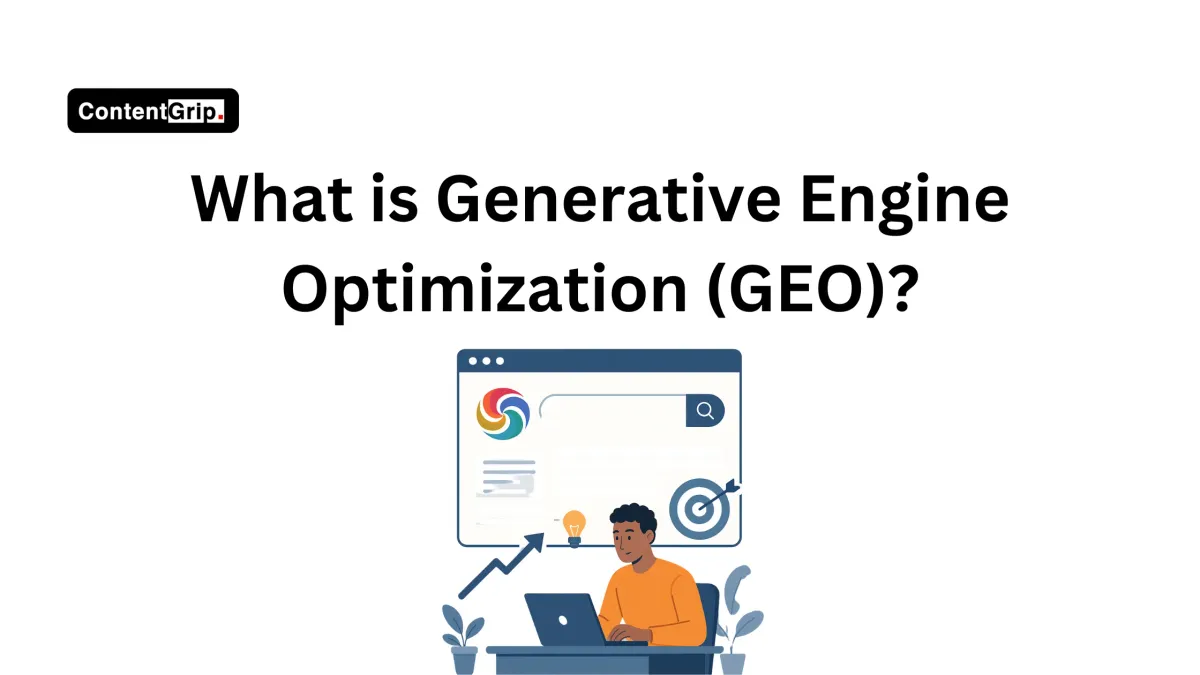
Creator content must prove brand impact
Creator content is no longer a nice-to-have. According to Kantar, a net 61% of marketers will increase creator content investment in 2026.
Yet the impact gap remains wide. Only 27% of current creator content strongly ties to brand messaging. Brands need to shift from one-off influencer stunts to long-term creative platforms that creators can plug into authentically.
What’s working now are coherent, cross-channel ideas. Kantar says they are 2.5 times more important to campaign success than they were a decade ago.
The fix is structural. CMOs should define brand guardrails, clarify metrics like ROI and brand lift, and let creators execute with creative freedom.
Retail media gets sharper and harder to ignore
Retail Media Networks (RMNs) continue their rise. Kantar’s LIFT data shows they deliver 1.8 times better results than standard digital ads and nearly 3 times better results for purchase intent.
With over 200 RMNs and counting, brands and retailers must work together to unify shopper data and streamline ROI measurement. RMNs are evolving beyond static placements into dynamic, shoppable experiences across CTV and streaming.
In 2026, a net 38 percent of marketers plan to increase their investment in retail media, making it one of the fastest-growing performance channels.
Micro-communities offer deeper trust
As social media platforms deprioritize organic reach, micro-communities are gaining power. Kantar’s data from China shows brands using knowledge-sharing micro-communities saw a 25% higher marketing ROI.
Nearly 40% of consumers trust micro-community recommendations as much as personal ones, showing these peer-to-peer channels carry serious weight.
For brands, this means ditching generic, salesy content in favor of engagement built on shared interests and creator collaboration.
Inclusion is not optional. It is a growth driver
According to Kantar’s Global MONITOR, 65% of people value companies that promote diversity and inclusion, up from 59% in 2021.
Inclusion is no longer just good PR. It is a growth engine. Brands that authentically represent underserved communities, both internally and externally, will be more resilient to backlash and better positioned to grow.
CMOs should invest in inclusive product development, representational storytelling, and culturally fluent brand strategy that goes beyond campaign messaging.
Over the past two decades, brands that disrupted themselves or their categories—like Apple and Amazon—added US$6.6 trillion in incremental value, according to Kantar BrandZ.
In 2026, that lesson still holds. The biggest risk is playing it safe. CMOs must give teams room to experiment, fail fast, and innovate from a place of brand purpose rather than chasing tech trends for their own sake.