HUNTR/X takes KPop Demon Hunters from Netflix screens to MLB ballparks
Netflix brings KPop Demon Hunters Nights to MLB stadiums with giveaways, premium merch, and drone shows, extending a streaming hit into live


There is something very specific about seeing an animated fandom leave the timeline and become a real-world, ticketed night out. It is not just merch. It is the feeling of a shared inside joke turning into a stadium-sized ritual, with people showing up dressed for the bit.
Netflix is leaning into that energy by bringing KPop Demon Hunters into Major League Baseball stadiums across the US with a run of “KPop Demon Hunters Nights” in August and September, built around themed giveaways, in-game music moments, premium ticket items, and select postgame drone shows. The details were outlined in the company’s official announcement.
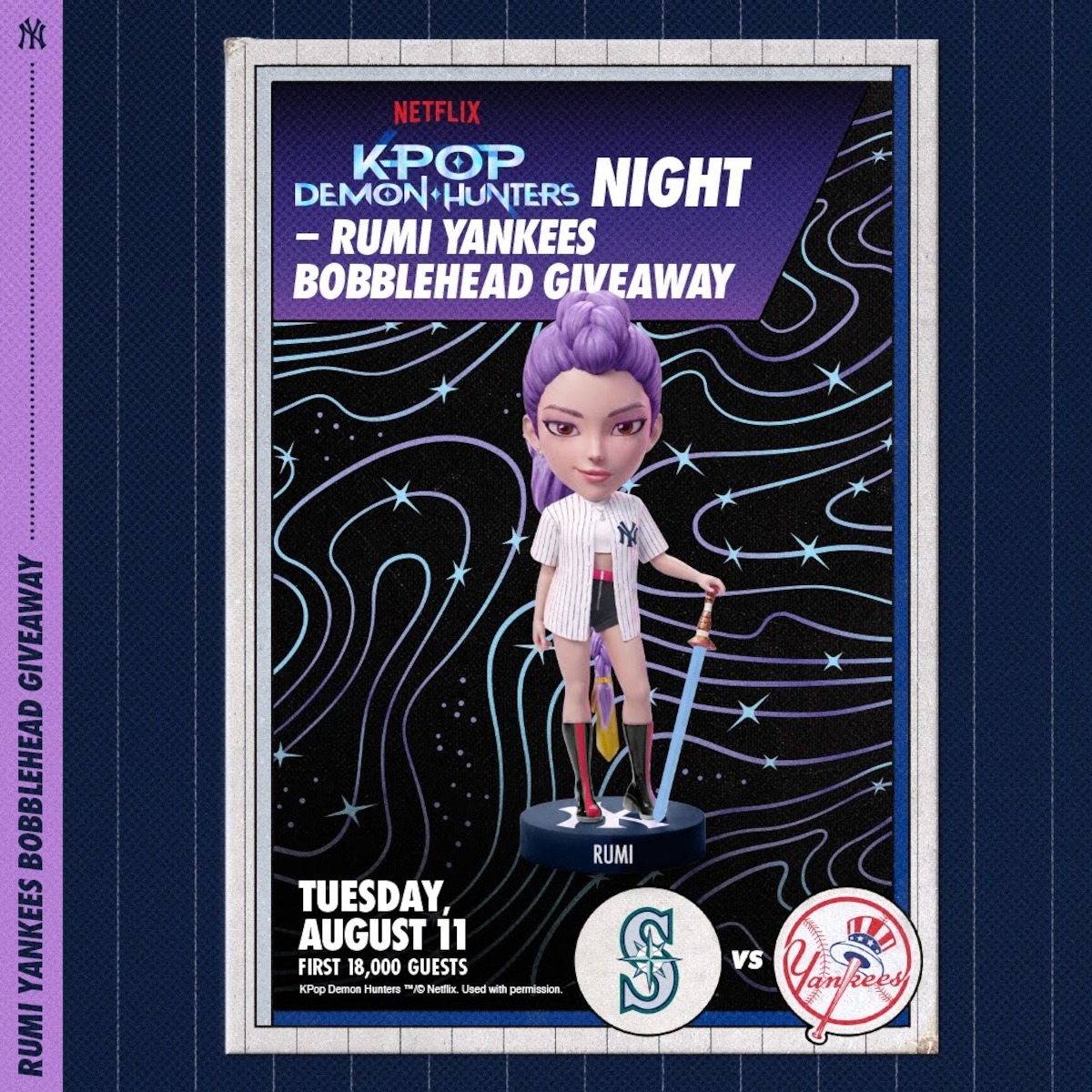
Table of contents
Jump to each section:
- Why KPop Demon Hunters Nights feels like a fandom event, not a promo
- What fans actually get at the ballpark
- Why this works for MLB, not just Netflix
- What this means for marketers watching fandom-led experiences
 Patrecia Meliana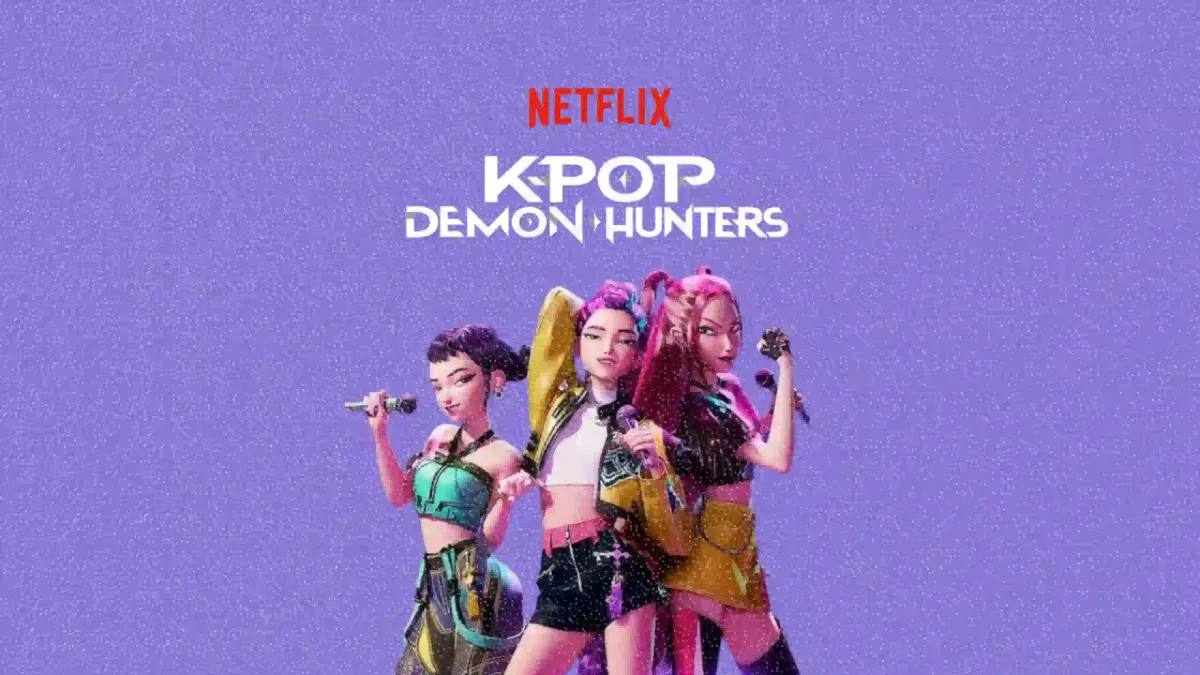
Why KPop Demon Hunters Nights feels like a fandom event, not a promo
KPop Demon Hunters is positioned like an IP people “live in”, not just watch. Netflix says the animated film is approaching its one-year anniversary (June 20) and has spent 52 consecutive weeks in Netflix’s Global Top 10, which helps explain why the fandom is being treated like an ongoing community rather than a one-and-done release window.
The concept of “KPop Demon Hunters Nights” taps into a familiar fan behaviour: collecting proof you were there. The promise is not only a themed night, but objects and moments that become social currency later, like bobbleheads, limited jerseys, and postgame drone shows.
 ContentGrip
What fans actually get at the ballpark
The series runs across multiple MLB stadiums with club-specific items and varying “special ticket package” details. Netflix highlights a mix of giveaways, premium items, and in-game moments.
A few of the concrete callouts include:
- Aug. 11: New York Yankees vs Seattle Mariners, with a Rumi Yankees bobblehead giveaway.
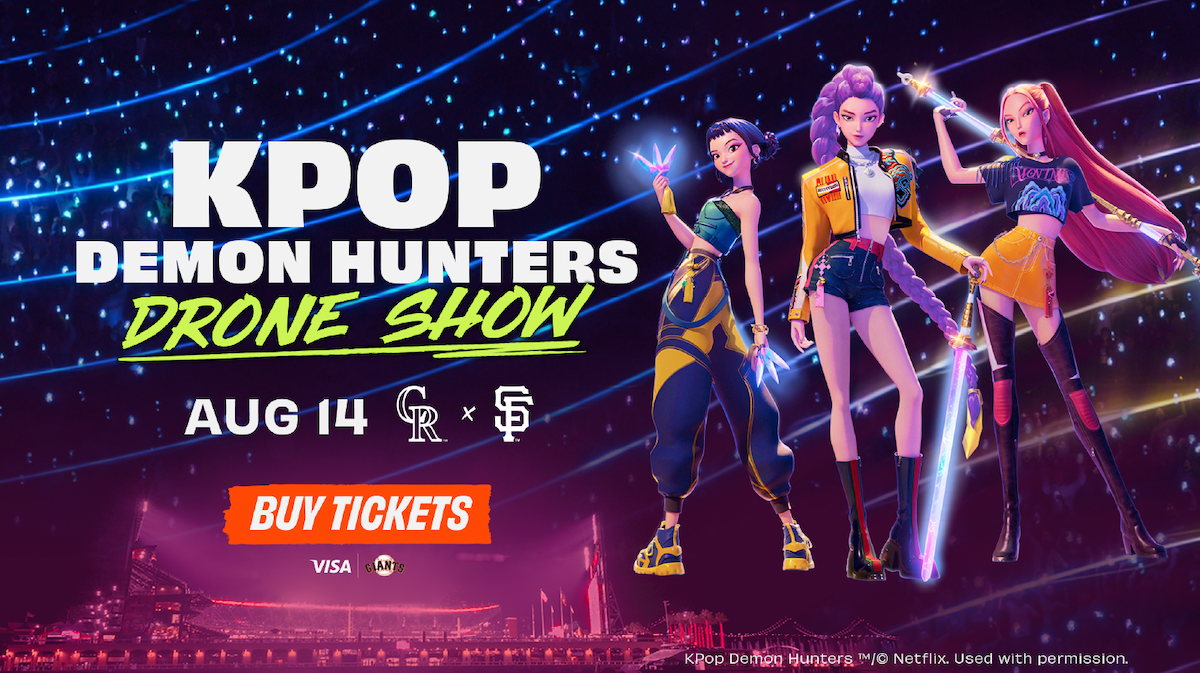
- Aug. 14: San Francisco Giants vs Colorado Rockies, with premium items including HUNTR/X or Derpy & Sussie Bird long sleeve hooded jerseys, plus a postgame drone show.
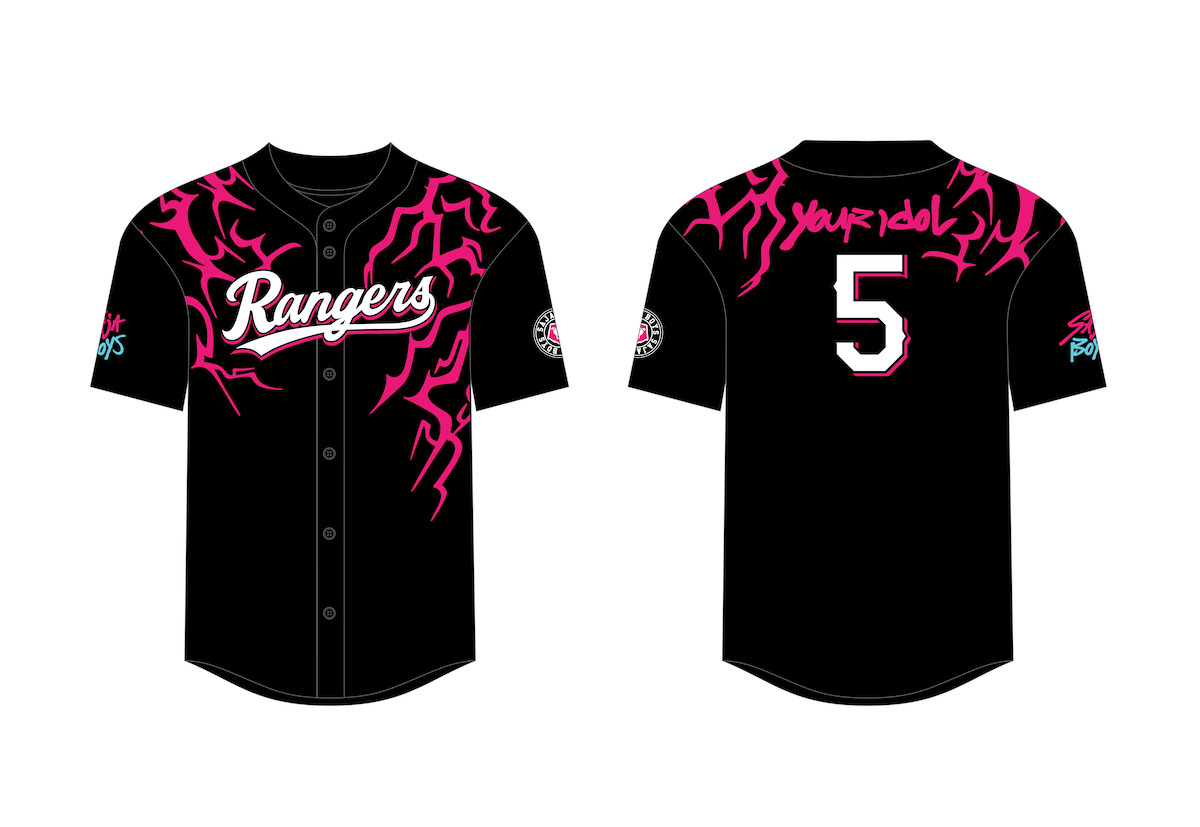
- Sept. 1: Texas Rangers vs Athletics, with a Saja Boys x Texas Rangers jersey as a premium item.
- Sept. 5: Seattle Mariners vs Athletics, with a HUNTR/X x Seattle Mariners jersey as a premium item.
- Sept. 19: San Diego Padres vs Miami Marlins, with a HUNTR/X bobblehead premium item.
That mix matters because it gives fans multiple “entry points”: some will come for the collectible, some for the music moment, and some because a themed night makes a regular-season game feel like an occasion.
Why this works for MLB, not just Netflix
This is also happening in a season where MLB is newly on Netflix, with Netflix noting the 2026 season began with Opening Night coverage and will include moments like the T-Mobile Home Run Derby (July 13) and the MLB at Field of Dreams game (Aug. 13).
From a behaviour standpoint, crossover nights like this help a league do two things at once:
- Give existing baseball fans a themed reason to buy a ticket to a specific date.
- Give pop culture fans a “safe” first baseball experience, because the night comes with built-in context, costumes, and a crowd that is there for similar reasons.
The practical genius is that the stadium becomes a physical distribution channel for fandom objects. A jersey is not only apparel, it is a receipt that you participated in the moment.
What this means for marketers watching fandom-led experiences
Fandom nights work because they respect how people actually show up for culture: they want a story, a signal, and something to take home.
- Treat the “collectible” as the real media buy
Bobbleheads and limited jerseys travel farther than a single post because fans keep them, wear them, and photograph them later. That extends the campaign without needing to manufacture constant new content. - Build the night around participation, not messaging
“In-game musical moments” and drone shows are experiences people can describe to friends who were not there. The best marketing outcome is often: “You should have seen it.” - Localise the fandom so it feels personal
Club-specific items (like a team-collab jersey) make the crossover feel tailored rather than copy-pasted. It gives each market its own version of the moment. - Use sports schedules the way fandoms use calendars
A list of dates and stadiums functions like a tour announcement: it creates anticipation, planning, and repeat attendance behaviour across different cities. - Connect a streaming hit to offline rituals
The move signals how IP marketing is shifting toward real-world community touchpoints. When a title has longevity, the next growth lever is often not more awareness, but more ways for fans to gather.
 Zoe Park
The bigger cultural signal here is that entertainment franchises increasingly behave like lifestyle communities. People want reasons to leave their house that still feel like the internet, meaning IRL events that come pre-loaded with references, outfits, and shared language. For marketers, the lesson is not “do a collab night.” It is to design experiences that fans can inhabit, collect, and retell.