LEGO taps Ronaldo, Messi and Mbappé to turn World Cup fandom into a buildable platform
LEGO’s FIFA 2026 push blends fandom, play, and collectible commerce for global audiences

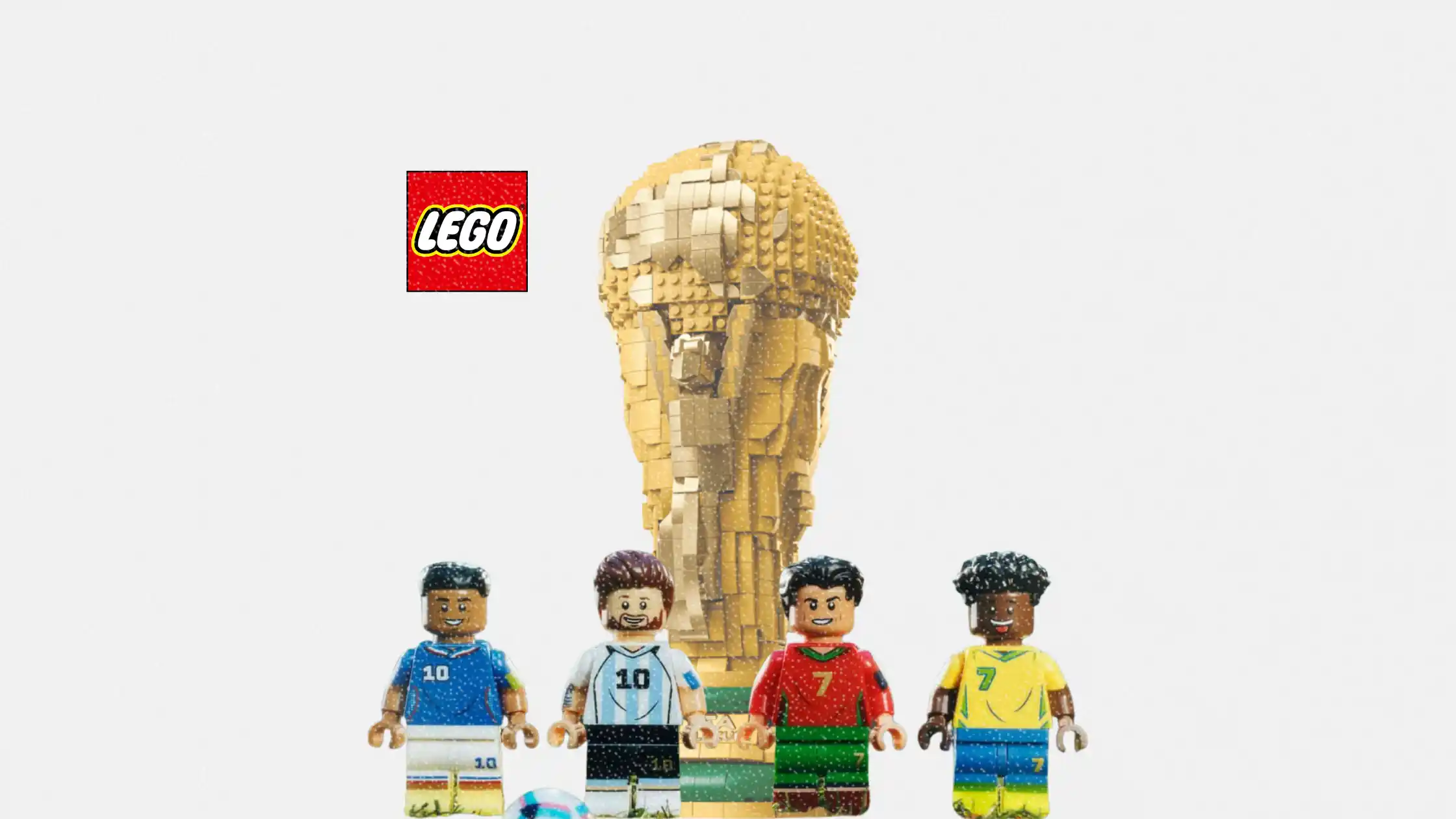
LEGO is not just launching another themed product line ahead of FIFA World Cup 2026. It is building a full-scale marketing platform that merges global sports fandom with interactive, collectible experiences.
@lego Everyone wants a piece #HonestlyItsNotAI #LEGO #LEGOFootball #FIFAWorldCup #EveryoneWantsAPiece
♬ original sound - LEGO
This article explores how LEGO’s collaboration with football icons Cristiano Ronaldo, Lionel Messi, Kylian Mbappé and Vini Jr. signals a deeper shift in how brands activate cultural moments, and what it means for marketers navigating experiential and IP-driven campaigns.
Short on time?
Here’s a table of contents for quick access:
- How LEGO is turning football fandom into a buildable experience
- What LEGO Editions reveals about platform-led marketing strategies
- What marketers should know about scaling cultural campaigns
 Patrecia Meliana
How LEGO is turning football fandom into a buildable experience
LEGO has partnered with four of football’s biggest global stars to launch a campaign centered around its new LEGO Editions platform. The initiative introduces football-themed sets and interactive activations designed to let fans “build their dream team brick by brick.”
The campaign is anchored by a hero film featuring Ronaldo, Mbappé, Messi and Vini Jr. assembling a LEGO FIFA World Cup trophy set together. The narrative emphasizes contribution and participation, culminating in a young fan imagining himself as part of the game.
Beyond the film, LEGO is extending the experience into physical and digital environments:
- Pop-up fan zones with interactive games like LEGO brick kickers
- Creative installations such as a LEGO wall of fame where fans design jerseys
- Collectible product lines featuring player-specific builds and display pieces
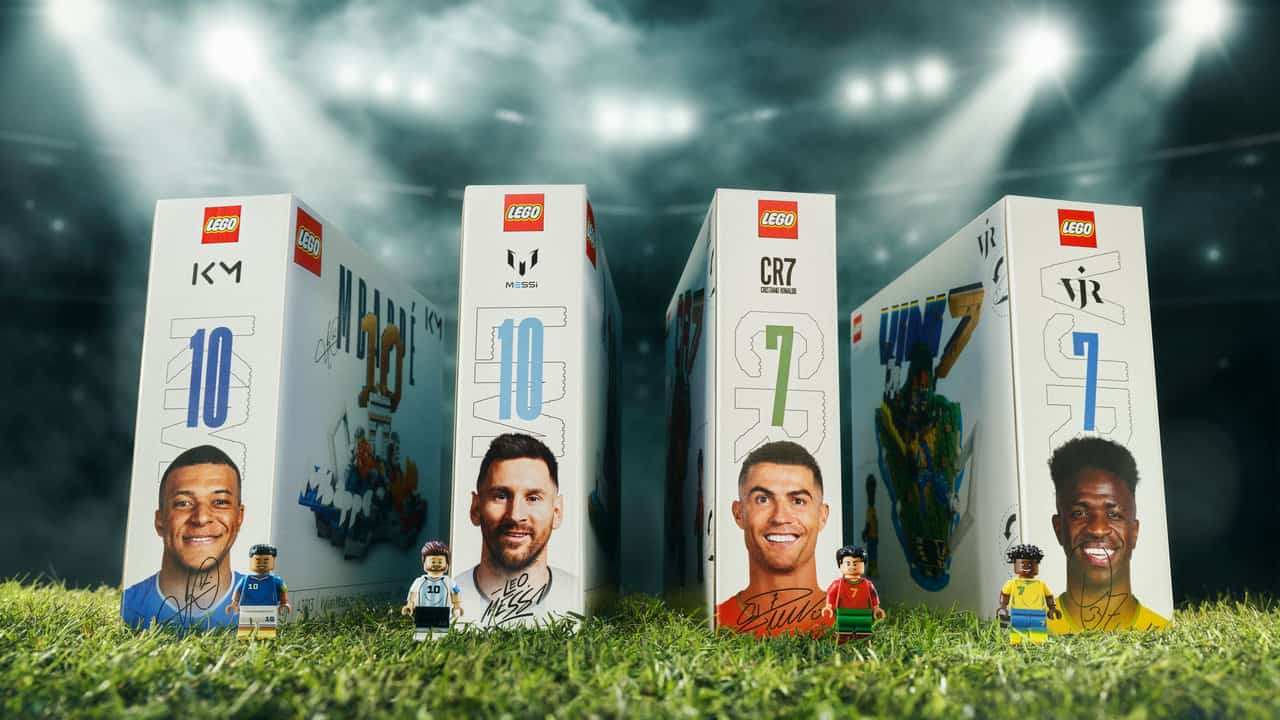
The product strategy spans multiple audience segments:
- Entry-level collectible sets for younger fans
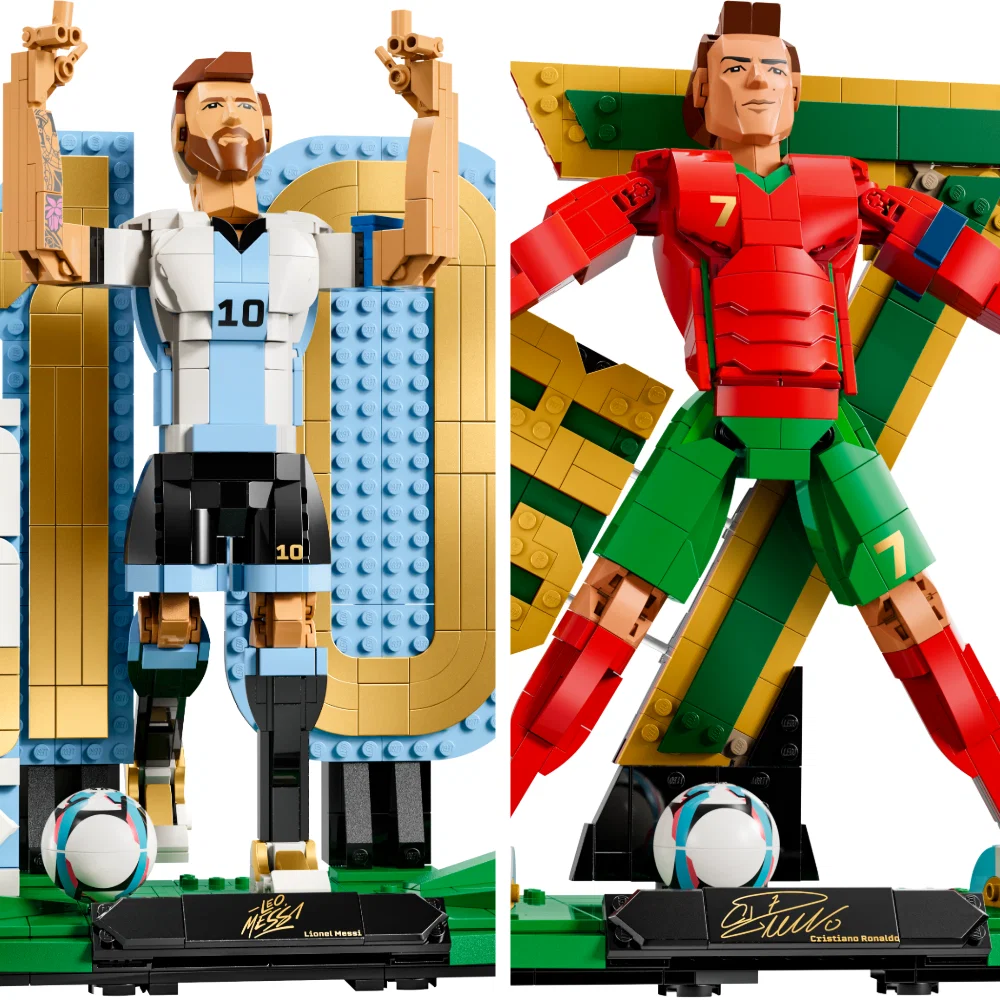
- Detailed “Football highlights” builds capturing iconic player moments
- Premium display items like the 1,427-piece Messi wall art set
- A 1:1 scale FIFA World Cup trophy replica with 2,842 pieces
This is not just merchandising. It is a layered ecosystem of content, commerce, and participation designed to scale globally ahead of the tournament.
What LEGO Editions reveals about platform-led marketing strategies
LEGO is positioning LEGO Editions as more than a product line. It is framing it as a long-term platform that connects fans with cultural icons through play and creativity.
That distinction matters. Instead of treating the World Cup as a one-off campaign moment, LEGO is building:
- A repeatable format for future IP collaborations
- A modular content engine featuring global celebrities
- A collectible ecosystem that drives ongoing engagement
The FIFA partnership also reflects a broader trend: brands are moving from campaign-based marketing to platform-based storytelling.
Key signals from LEGO’s approach:
- IP as infrastructure: Football is not just a theme, it is a scalable content and product backbone
- Multi-touchpoint design: Campaign spans film, retail, experiential, and digital channels
- Fan participation as core mechanic: Users are not just viewers but builders and players
The inclusion of football legends alongside everyday fans reinforces a democratized narrative. Everyone “gets a piece” of the experience, whether through content, gameplay, or collectibles.
This aligns with how modern audiences engage with brands. They expect interaction, personalization, and a sense of ownership.
What marketers should know about scaling cultural campaigns
LEGO’s World Cup push offers several practical lessons for marketers planning large-scale campaigns tied to global events:
1. Build systems, not just campaigns
Instead of a single activation, LEGO created a platform that can evolve with new content, players, and experiences. Marketers should think in terms of extensible frameworks rather than one-off launches.
2. Turn IP into participation
LEGO transforms football fandom into something users can physically and digitally interact with. This shift from passive consumption to active participation increases engagement and memorability.
3. Layer audiences through product design
From kids to collectors, LEGO segments its audience through different product tiers. This allows broader reach without diluting brand focus.
4. Combine storytelling with commerce
The campaign ties narrative directly to purchasable products. Each piece of content reinforces a product experience, closing the loop between inspiration and transaction.
5. Leverage cultural timing strategically
With the FIFA World Cup approaching, LEGO taps into peak global attention. Timing is not just about visibility, it is about relevance and emotional resonance.
For B2B marketers, the takeaway is clear: cultural moments are no longer just awareness plays. They are opportunities to build ecosystems that drive engagement, loyalty, and revenue.