15 great press release examples (plus tips for SEO and AI visibility in 2026)
New to press releases? Follow our guide to write one journalists will notice, with 15 examples and best practices.

A press release works when it makes a journalist's job easier. It states the news early, supplies facts that can be checked, explains why the audience should care, and gives the reporter a clear route to more information.
But the bar is higher in 2026. Cision's 2026 State of the Media research found that 66% of journalists rely on PR-provided content, including press releases, pitches, and media kits, for story ideas. Yet 72% said fewer than a quarter of the pitches they receive are relevant.
The lesson is not to publish or pitch more. It is to produce a release that is timely, accurate, relevant, and ready to use.
In other words, press releases still work, but only when they are clear, relevant, and genuinely newsworthy. In this guide, you'll find a complete press release sample, a reusable template, 15 real press release examples from brands including Apple, Coca-Cola, Nike, Salesforce, Ogilvy, eBay, and Anthropic, plus practical advice on writing, distribution, SEO, and AI search visibility.
Looking for a news release sample or a press note example? Start with the copy-and-paste press release template in this guide, then compare the structure against the 15 real brand examples. Check that your own version leads with the announcement, supports it with facts a reporter can verify, and provides a clear media contact.
1. A strong press release answers the 5Ws in the first paragraph.
2. Keep most releases around 300 to 500 words.
3. Use a clear headline instead of a clever one.
4. Add quotes that explain meaning, not quotes that repeat the announcement.
5. Include supporting data, local context, and visuals that journalists can use.
6. Treat AI visibility as a bonus, not the main goal. Earned media still matters more.
7. Send releases to relevant journalists, not every contact you can find.
Short on time?
Here is a table of content for quick access:
- What is a press release?
- How to write a press release that works
- Press release examples
- How to distribute a press release
- How to optimize a press release for AI search (GEO)
- Frequently asked questions
What is a press release?
A press release is a formal, factual announcement issued to journalists and other stakeholders about a newsworthy development. Common subjects include a product launch, funding round, acquisition, partnership, executive appointment, research report, event, market expansion, award, rebrand, or crisis update.
The release is the source document. It should give a reporter enough verified material to understand the story, assess its relevance, and contact the right person. It is not a guaranteed ticket to coverage, and it should not read like an advertisement.
Traditionally, it was used to get media coverage. Today, it also helps:
- Establish brand authority for AI-generated search results
- Create consistent entity signals across media, search engines, and platforms
- Improve GEO-based visibility by associating your brand with specific regions
Because press releases follow a structured format, they are easy for journalists and AI systems to read, extract, and reuse.
Before you write: build a fact sheet
The fastest way to improve a press release is to solve the reporting gaps before drafting. Collect these inputs in one brief:
- The announcement in one factual sentence.
- The intended audience and the journalist beats most likely to care.
- The timing: announcement date, embargo time, launch date, availability, and relevant time zones.
- The consequence: what changes for customers, employees, partners, investors, or the local market.
- Verifiable proof: product specifications, transaction terms, survey methodology, customer evidence, regulatory status, or reputable third-party data.
- Approved quotes from people close to the news.
- Assets: images, logos, screenshots, data tables, executive bios, and a press-kit link.
- Approvals and constraints: legal review, customer permission, exchange rules, privacy, safety, and claims that cannot be made.
- A named media contact who can respond quickly.
A standard press release format should follow this structure:
- Headline: state the company and announcement in plain language.
- Optional subheadline: add the most important consequence, market, amount, or timing.
- Dateline and lead: identify the location and date, then answer the essential 5Ws and how.
- Supporting body: add proof, context, product details, terms, methodology, availability, or next steps.
- Quotes: explain why the announcement matters and add an attributable point of view.
- Boilerplate: describe the organization in two or three factual sentences.
- Media contact: include a name, email, phone number, and press-kit or newsroom link when available.
Grip's copy and paste press release template

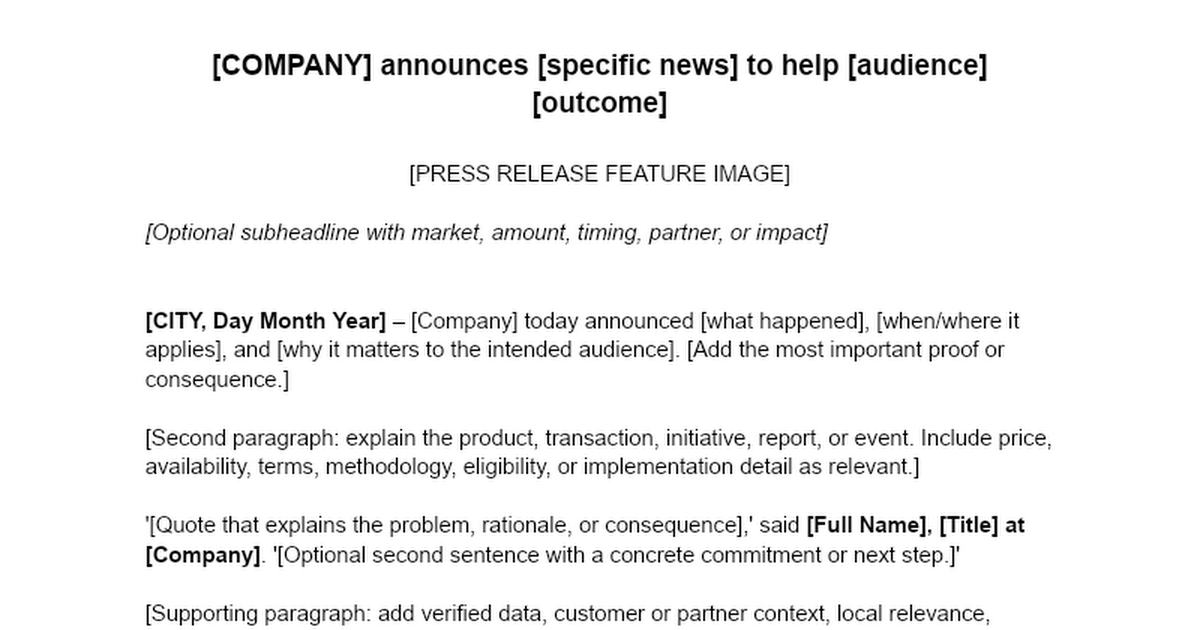
The goal is simple: make it easy for a journalist to understand the story and decide whether it is worth covering.
How to write a press release that works
Tip 1: Evaluate the topic
Start by asking whether your story is truly newsworthy. Does it introduce something new, timely, or relevant to the audience you are targeting?
Journalists in APAC, for example, often look for:
- Local market impact
- Regional partnerships
- Data-driven insights
- Alignment with economic or industry trends
 Enricko Lukman
Tip 2: Write a clear headline
The press release headline must be clear, captivating, jargon-free, and focused on the key message you want to convey.
A strong headline includes:
- The company or brand name
- The announcement
- The audience or market
- The outcome or relevance
- Avoiding clever but vague phrasing
If a journalist or AI system reads only your headline, they should already understand the core news.

For example:
Avoid vague language like: “Company X redefines the future of innovation”
Use a specific headline instead: “Company X launches AI-powered CRM for Southeast Asian sales teams”
Tip 3: Insert key information in the first paragraph
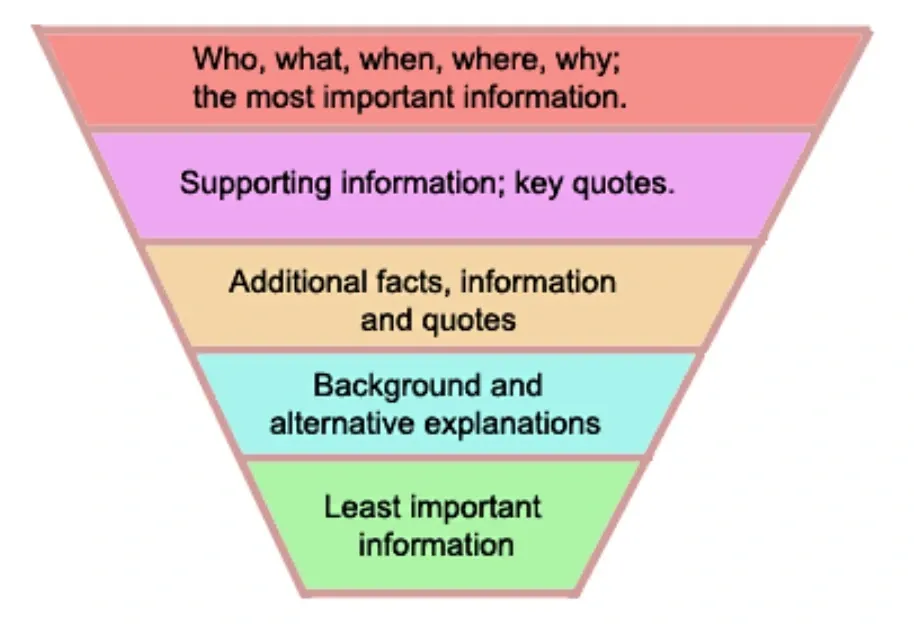
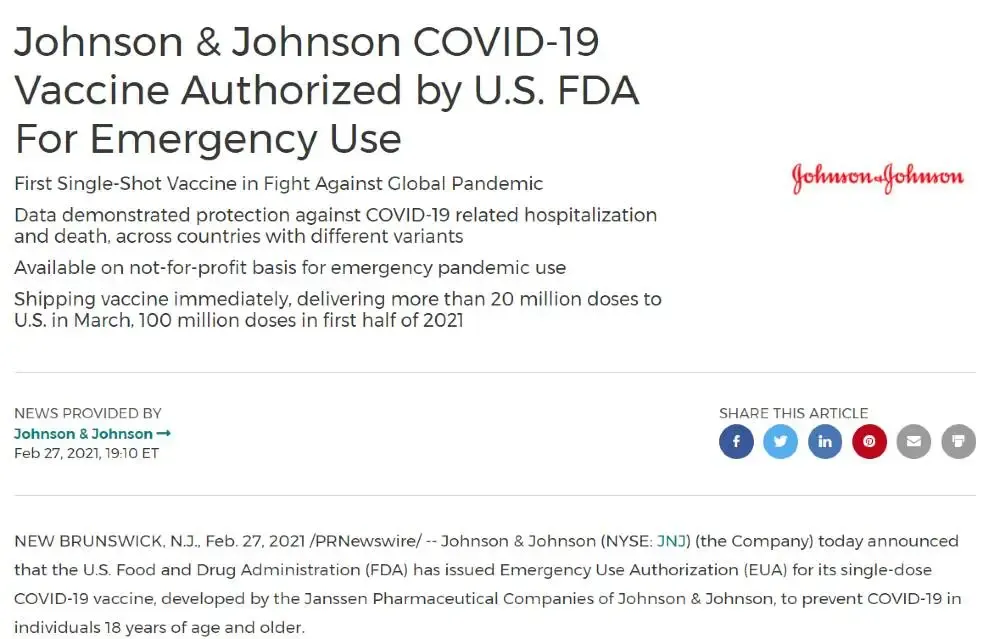
The first paragraph should answer the 5Ws and how: who, what, when, where, why, and how. These days, the average person’s attention span is only around eight seconds.
Use a reverse pyramid structure. Put the most important information first. Do not make journalists dig for the main point. Put the news at the top, then add context.
Tip 4: Make the release easy to scan and reuse
Use short paragraphs, descriptive subheadings, and add a brief summary when the announcement has several components. They also improve scannability for search engines and AI tools. Provide downloadable images and captions, clear links, and a press kit rather than large email attachments.
Keep the release focused. Many straightforward announcements fit comfortably within 300 to 500 words, but complexity should determine length. A regulated transaction or research release may need more detail; put supporting material in linked documents rather than hiding the news in a long preamble.
Use this section to highlight:
- The announcement
- The impact
- Why it matters now
 Ramya Priya
Tip 5: Insert quotes for meaning, not repetition
Strong press releases include relevant quotes from executives, experts, or partners that add insight, explain significance and show perspective.
Quotes help:
- Humanize the announcement
- Add credibility
- Provide context beyond the facts
Avoid marketing slogans. Use quotes to explain why the news matters.
Bad quote: “We are excited to announce this launch and believe it will transform the industry.”
Better quote: “Small retailers in Indonesia often lack affordable inventory tools. This launch gives them real-time stock visibility without requiring a full ERP system.”
The second quote explains the market problem, customer relevance, and practical value.
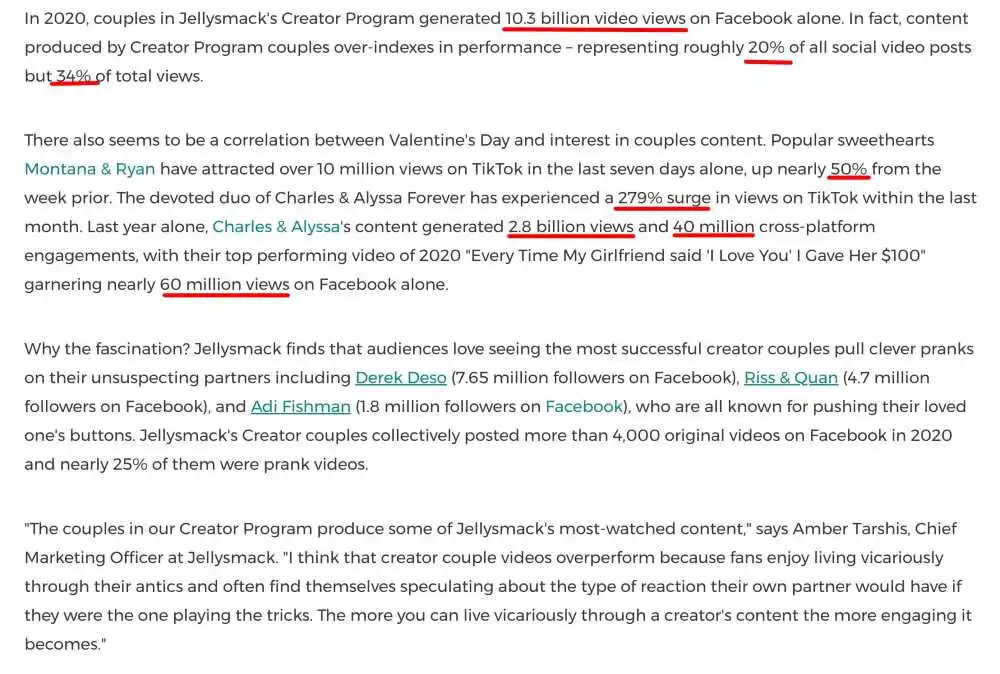
Tip 6: Use data and local context
By providing the industry landscape upfront for the journalist, you’re able to do half the job for them. Data makes a press release feel grounded and credible.
Useful data includes:
- Market size or growth rates
- Industry trends
- Country-specific statistics
- Official or reputable sources
- Customer adoption
- Funding trends
- Survey findings
Whenever possible, localize your data to the country or region you are pitching. Another way to add value to your press release is by ‘newsjacking,’ or relating your announcement to current events.
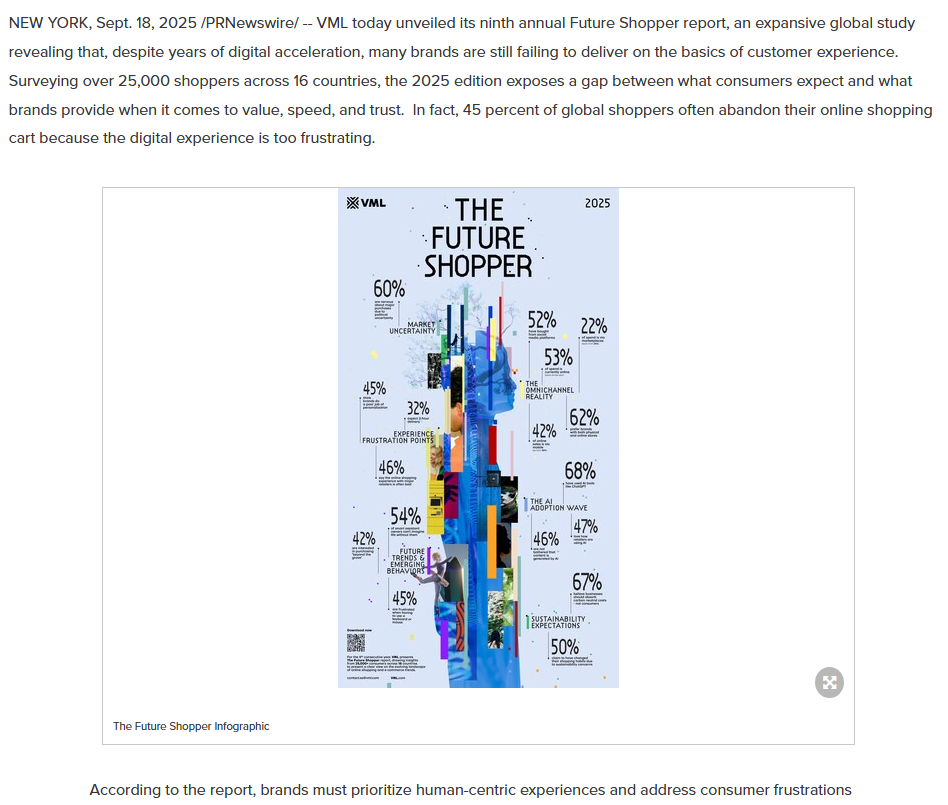
Tip 7: Add multimedia
Visuals matter. PR Newswire’s 2025 Global State of the Press Release report found that 9 in 10 companies include multimedia in press releases, while 91% reuse press release content across other channels.
Good press release assets include:
- Product images
- Executive headshots
- Campaign visuals
- Infographics
- Short videos
- Logos
- Screenshots
- Press kit links
Avoid attaching huge files to journalist emails. Use a link to a press kit instead.
Tip 8: End with a useful boilerplate
End with a short “about the company” section. 2-3 sentences should be enough and should include:
- Company Mission: What your company does and its core value proposition.
- Location: Where the headquarters or relevant regional offices are based.
- Call to Action: A direct link to the official website or newsroom.
This provides quick context for journalists and reinforces consistent brand information for search and AI systems. Don't forget to keep it short. A boilerplate is not a sales deck.
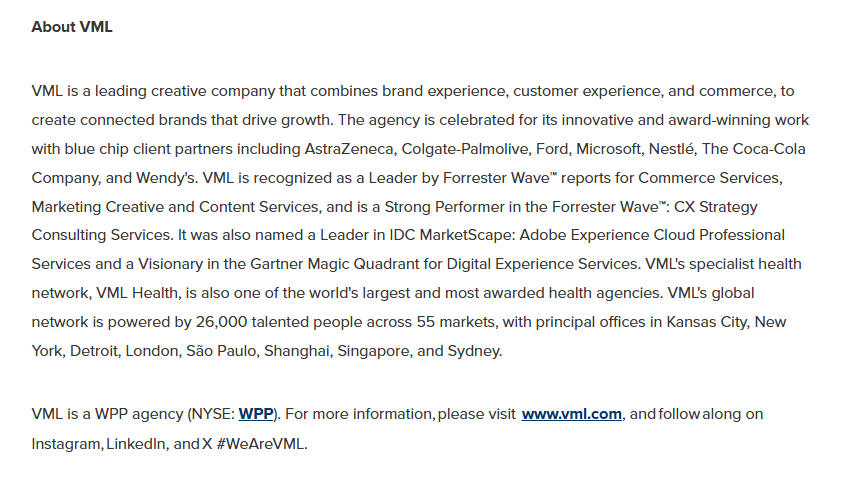
15 press release examples with real-world context and what to copy
The examples below come from official company newsrooms or investor-relations pages. Some are classic examples and others are current to 2026. The point is not to imitate brand language; it is to study how each release packages the facts for its audience.
1. Product launches
Apple’s 2026 AirTag announcement states the user benefit in the headline, summarizes the upgrades in the deck, and gives price and availability in the lead. It then supports the claim with measurable improvements, compatibility information, privacy safeguards, images, and press contacts.
Why it works: The release serves both a quick newsroom brief and a deeper product story without making readers hunt for the purchase details.
What to copy:
- Put the customer benefit and changed feature in the headline.
- Quantify improvements and explain the comparison point.
- Include price, availability, compatibility, and high-resolution assets.
Atikah Amalia
2. Product updates
Oracle’s Java 25 release treats a technical version release as business news. The subheadlines translate the update into developer productivity, performance, security, stability, and migration flexibility. The opening identifies availability and long-term support before the body moves into technical detail
Why it works: It gives technical readers substance while making the enterprise consequence clear to non-specialists.
What to copy:
- Explain what users can now do, not just which features shipped.
- Mention who should care
- Surface support and migration information early.
- Use expert or community quotes to add independent context.
- Add support or migration information when relevant
3. Mergers and acquisitions
Salesforce's release says the deal has closed, identifies Informatica, and immediately explains the strategic product rationale. It distinguishes the completed transaction from the earlier agreement and addresses expected financial effects and integration priorities.
Why it works: M&A readers need status and consequence. The release answers both before moving into platform detail.
What to copy:
- State the deal clearly
- Include both companies’ perspectives
- Explain the strategic rationale
- Avoid vague synergy language
- Mention regulatory approvals or closing timelines when relevant
4. Partnerships
Anthropic’s announcement leads with the commitment amount, the partner, the four-year time frame, and the program areas. It explains what each party is contributing and where the work will be implemented.
Why it works: The partnership has a defined output. Readers can see the resources, beneficiaries, duration, and implementation model rather than a vague promise to collaborate.
What to copy:
- Name both partners clearly.
- Explain the joint offering or initiative.
- Include a quote from each side.
- Add customer or market context.
- Avoid announcing partnerships that have no concrete output
5. Awards and recognitions
Ogilvy’s Cannes Lions announcement names the awarding body and title, then supports the recognition with the total number and level of awards, contributing offices, winning campaigns, and categories. It also provides a media contact.
Why it works: The release turns self-congratulation into verifiable evidence and gives trade media several angles beyond the trophy itself.
What to copy:
- Name the award and awarding body
- Explain why the recognition matters
- Connect it to customer outcomes
- Keep the tone factual
6. Events
Apple’s WWDC26 Event release puts the dates, online access, in-person component, program themes, session count, participation details, and student program in a predictable order. The release works as an announcement and a planning resource.
Why it works: Event coverage depends on logistics. This release gives reporters enough information to decide whether to attend, assign coverage, or follow the keynote remotely.
What to copy:
- Put the event name and date high in the release
- Mention notable speakers or partners
- Explain who should attend
- Include a registration CTA
7. New hires and executive appointments
PVH’s leadership announcement begins with a four-point summary naming the appointees, roles, reporting responsibilities, and strategic purpose. The body then separates effective dates, succession detail, biographies, and contact information.
Why it works: The release connects each appointment to an operating priority instead of presenting biographies without context.
What to copy:
- Include the person’s new role
- Summarize relevant experience
- Explain what they will lead
- Add a professional headshot
- Include a quote from the executive and another leader
8. New business
Micron's 2026 release makes a new institution tangible with a planned investment, headquarters, research mandate, time horizon, collaboration model, and broader geographic network.
Why it works: The release does not stop at announcing a name. It explains the resources, location, collaborators, and work that make the venture real.
What to copy:
- Explain what the new business does
- Define the target audience
- Add launch markets or availability
- Include the founding context
- Link to the new website or product page
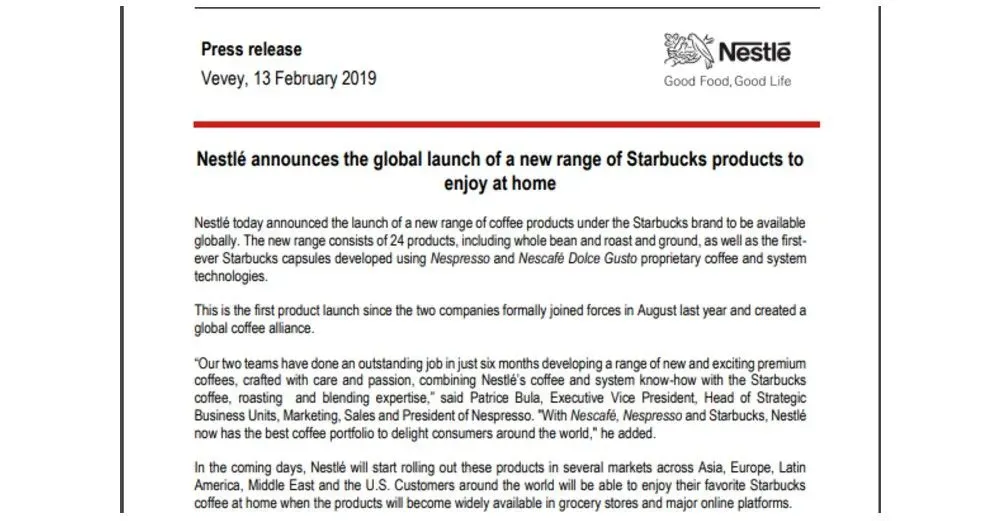
A well-written new business PR can bring the business closer to its consumers’ needs, such as this one for Apple TV+, Apple’s own streaming platform which brings together all your favorite channels in one. This PR included all the new platform’s features and assures its audience that this is the future of television.
9. Campaign launches
Nike’s 2025 “SCARY GOOD” campaign announcement opens with a 'What to know' summary, names the creative idea and featured athletes, and explains the campaign's film formats and release sequence. Downloadable assets sit close to the story.
Why it works: Creative campaign releases work when the concept is easy to describe and the execution details are ready for culture, sport, and marketing reporters to reuse.
What to copy:
- Explain the campaign concept in plain language
- Include creative assets
- Mention talent, partners, or media channels
- Connect the campaign to a broader brand message
10. Social causes
Ogilvy’s Small Unites 2020 announcement is an example that remains useful because it puts the problem and the coalition's action ahead of brand praise. It names the partners, contribution mechanisms, funding commitments, beneficiaries, and ways the public can participate.
Why it works: Social-impact announcements earn credibility through specificity: who benefits, what is being contributed, how the program works, and what evidence will show progress.
What to copy:
- State the problem being addressed
- Explain what the company is doing
- Include measurable impact where possible
- Add partner or beneficiary quotes
- Avoid overclaiming
11. Crisis communications
After the January 2024 incident, Alaska Airlines maintained a dated information page covering the investigation, fleet grounding, inspection requirements, passenger support, and return-to-service developments.
Why it works: A crisis response is a sequence, not a one-off statement. A clearly dated source of truth helps journalists and customers distinguish confirmed facts from speculation.
What to copy:
- Acknowledge what happened and what is not yet known.
- Prioritize safety, affected people, verified action, and the next update.
- Use ContentGrip's crisis checklist and holding-statement guidance before forcing uncertain facts into a full release.
12. Funding announcements
Anthropic’s Series G announcement places the amount, round, valuation, lead investors, participating investors, and intended use of funds at the top. It adds business traction and investor perspective to explain why the round matters.
Why it works: Funding news becomes a business story when the release connects capital to product, infrastructure, expansion, customers, or market evidence.
What to copy:
- Put the amount and round in the headline if disclosed
- Explain what the capital unlocks
- Include investor quotes
- Add traction metrics when available
13. Market expansion
Stripe's expansion announcement combines a product announcement with a concrete expansion figure, explains who gains access, and adds use cases, rollout geography, payment-method coverage, and customer evidence.
Why it works: Market expansion is stronger when the release explains local or user-level availability rather than relying on a broad claim of global growth.
What to copy:
- Explain why the market matters
- Include local data
- Mention local partners or customers
- State hiring, investment, or availability plans
- Provide a local spokesperson if possible
14. Research report, survey or whitepapers
Cision’s 2026 report announcement leads with a counterintuitive finding, identifies the global survey base and market coverage, and organizes the results into newsroom pressure, pitch relevance, social use, AI attitudes, and practical implications for PR teams.
Why it works: Research releases give journalists something new to report. The best ones expose methodology, lead with a defensible finding, and make data easy to interpret without hiding caveats.
What to copy:
- Lead with the most surprising statistic
- Explain methodology
- Include regional findings when possible
- Add expert commentary
15. Rebrand or company milestone
PepsiCo's new brand identity announcement explains what changed, why the corporate identity needed to evolve, how it relates to the company's portfolio and strategy, and where audiences will see the new system.
Why it works: A rebrand release is useful when it explains the business reason and stakeholder impact, not merely the symbolism of a new logo.
What to copy:
- Explain the reason behind the change or milestone
- Connect the announcement to business strategy
- Share what customers or stakeholders can expect next
- Include visual assets such as updated branding, logos, or campaign materials
How to distribute a press release for local and global reach
Distributing a press release effectively involves more than just sending it to as many media outlets as possible. Tommy Young, a seasoned PR consultant from Content Collision (C2), advises,
“You’ll have a better chance at media coverage if you prioritize pitching to relevant journalists, rather than blasting it to as many as you can.”
To enhance your press release distribution, consider the following steps:
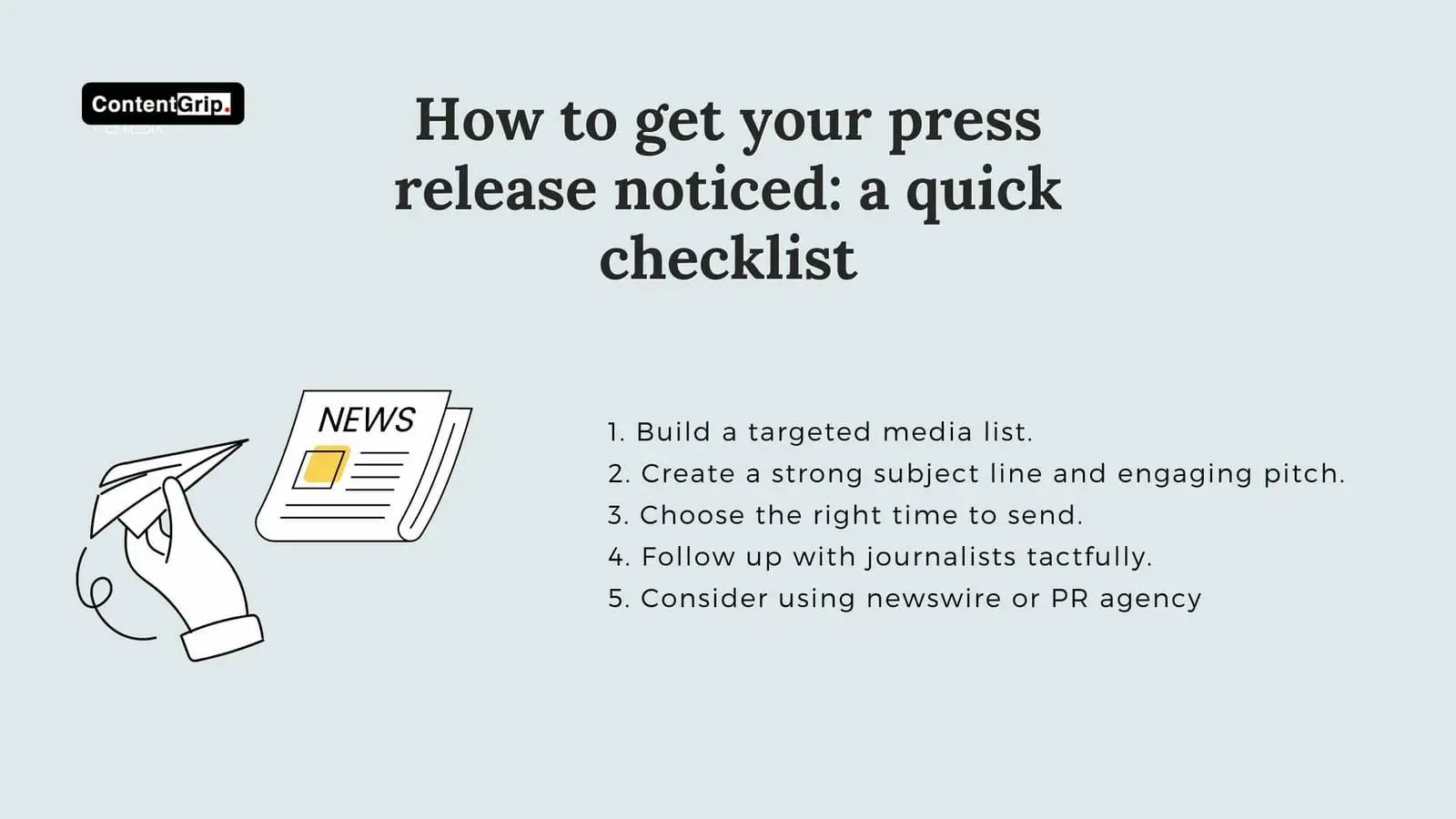
1. Build a targeted media list
Use platforms like LinkedIn, Muck Rack, Cision or ContentGrow to find journalists in your industry and region.
2. Research media rules in your target country
Different markets have different expectations. Thus, before distributing a release check the following:
- Learn whether local journalists prefer email pitches, calls, or newswire links
- Identify common press etiquette (e.g., subject line formats, attachments, languages)
- Avoid major missteps by hiring or consulting a local freelance PR consultant when needed
- Consider local newswire alternatives that are widely used by local companies
3. Create a strong subject line and engaging pitch
When reaching out via email (the preferred channel for journalists), keep your pitch concise and relevant. Your subject line is the first impression, so make it count. For example, instead of “New Product Launch,” opt for “Startup X Introduces AI-Powered CRM to Double Sales Efficiency.”
Personalize your message by referencing the journalist’s previous work or explaining why your story aligns with their coverage. Avoid attaching large files; instead, provide links to a press kit or resources.
4. Include local context to make it relevant
Local relevance increases pickup and AI trust signals. This could include:
- A partnership with a local brand
- Plans to expand, invest, or hire in the country
- Market data or stats relevant to the country’s industry
- References to government programs, economic goals, or public events
- Announcing a launch event or activation happening locally
To localize your press release effectively, use tools like Google News, Statista, LinkedIn or Crunchbase.
Finally, check government portals like Singapore’s EnterpriseSG, Vietnam’s Ministry of Planning, or the Philippines’ DTI for economic programs or incentives you can reference to add local relevance to your release.
5. Choose the right time to send
Tuesday to Thursday mornings between 9 a.m. and 11 a.m local time tend to perform best.
Journalists often avoid checking pitches late on Friday or during weekends, so sending during these times reduces your chances of being noticed. Additionally, avoid sending releases during major holidays or high-profile industry events unless your news is directly tied to them.
6. Follow up with journalists tactfully
According to PR best practices, sending one or two follow-ups is generally considered appropriate. Space them out by a few days and keep your tone polite. A follow-up might look like:
"Hi [Journalist's Name], I wanted to check if you had a chance to review the press release I sent earlier about [Topic]. Please let me know if you’d like additional details or resources."
7. Consider using newswire or PR agency
Newswire services like EIN Presswire, PR Newswire or Business Wire can help with reach and SEO. On the other hand, PR agencies offer targeted storytelling and relationship-building. Choose wisely based on your goals.
“When a company highlights its social contributions through a press release, it does more than tell a story—it builds emotional equity. Journalists and readers alike are more likely to engage with content that reflects genuine care for the community. It’s a powerful way to earn trust and long-term brand affinity.” — Tommy Prayoga, Head of Agency at Content Collision
How to optimize a press release for AI search
Press releases can support AI visibility, but they should not be treated as a magic shortcut. So the practical goal is this: write a press release that helps journalists and credible third-party sources cover your story accurately.
To make the release easier for both humans and AI systems to interpret:
- Use full company names instead of vague pronouns.
- Mention products, locations, people, and categories clearly.
- Add a summary near the top.
- Use descriptive subheadings.
- Link to official sources, data, and press materials.
- Keep the page crawlable.
- Avoid exaggerated claims that cannot be verified.
If your newsroom or website is part of the strategy, check whether AI search crawlers can access it. OpenAI’s crawler documentation explains that site owners can manage crawler access through robots.txt for systems such as OAI-SearchBot and GPTBot.
Don’t just publish your press release on your website. Opt to distribute your press release across media outlets, newswire platforms and other media platforms like LinkedIn. This creates a stronger presence online that AI systems can detect.
 Patrecia Meliana
Frequently asked questions (FAQ)
What are examples of a press release?
Common press release examples include product launches, funding announcements, partnerships, M&A, executive hires, events, awards, campaign launches, social impact initiatives, crisis statements, and market expansion announcements.
What are the 5 W's in a press release?
Who, what, when, where, and why. Add how when it helps explain the mechanism, process, terms, or availability. The lead should answer the essential questions without becoming an overloaded sentence.
What are the main parts of a press release?
The core parts are the headline, optional subheadline, dateline and lead, supporting body, quotes, boilerplate, and media contact. An embargo line, summary, multimedia, methodology note, legal disclaimer, or press-kit link may also be needed.
How long should a press release be?
Many straightforward releases are about 300 to 500 words. Use the shortest length that communicates the verified news and necessary context. Move detailed specifications, biographies, data tables, and supporting material into linked assets when possible.
How to write a press release?
Start with a newsworthy angle. Write a clear headline. Answer the 5Ws in the first paragraph. Add supporting context, a useful quote, relevant data, a short boilerplate, and media contact details.
Can ChatGPT write a press release?
It can help draft and edit one when supplied with approved facts, context, audience, tone, and quotations. A human should verify the output, protect confidential information, secure approvals, and make the final news judgment. Never publish invented facts or synthetic quotations as real.
Press release format: quick template
Use this structure when drafting:
Headline: Company X launches [product/service/initiative] to help [audience] solve [problem]
Subheadline: One sentence that adds the most important context, such as market, timing, funding amount, partner, or impact.
Dateline: CITY, Country, Date
Lead paragraph: Answer who, what, when, where, why, and how in one clear paragraph.
Body: Add context, features, market relevance, customer impact, or background.
Quote: Use a quote from an executive, partner, customer, or expert to explain why the news matters.
Supporting details: Add data, availability, pricing, launch markets, event details, investor names, or next steps.
Boilerplate: Explain what the company does in two or three sentences.
Media contact: Name, email, phone number, and press kit link if available.
How many press releases should I send?
Only when you have real news. Quality matters more than quantity.
How do I distribute a press release?
- Target the right journalists and outlets for your topic and region.
- Send a concise email pitch with the release (or a link) and clear subject line.
- Publish it on your newsroom and amplify it via social, partners, and (if needed) a newswire.
Common press release mistakes journalists ignore
Even experienced teams make these mistakes:
- No clear news angle
- Overly promotional language
- Weak headline
- Missing first-paragraph context
- No data or proof
- Generic executive quote
- No local relevance
- No media contact
- No usable visuals
- Sending the same pitch to every journalist
If a journalist cannot understand the story in the first few seconds, the release is likely to be skipped.
Should I use a newswire or pitch journalists directly?
Use a wire when broad syndication, geographic distribution, disclosure workflow, or a public record serves the goal. Pitch journalists directly when the goal is relevant earned coverage and a tailored story. Major announcements often use both, with the newsroom page as the canonical source.
Do press releases help with AI search visibility?
They can help, but usually indirectly. A press release creates a structured source of truth. The bigger visibility gain often comes when credible media outlets, analysts, or industry publications cover the announcement and cite the facts accurately.
Do not treat mass syndication as a shortcut to authority. The stronger long-term signal is accurate coverage from relevant third parties, supported by a release that makes the facts easy to quote and verify. Write for the journalist and audience first; search visibility is a possible downstream benefit.
About the author
Enricko Lukman is co-founder of Content Collision, a PR and communications agency that has secured media coverage across 5,000+ placements for more than 300 companies in APAC and the Middle East. He previously served as Head of Editorial at Tech in Asia Indonesia and has been writing about content marketing and public relations since 2015. He also co-founded ContentGrip, a B2B media platform covering the marketing and PR industry.