
Levi’s turns FIFA’s logo blackout into a viral branding win ahead of World Cup 2026
Levi’s may have lost stadium signage visibility, but it gained something far more valuable: attention.

FIFA may have wanted Levi’s branding out of sight during the 2026 FIFA World Cup, but the denim giant appears to have found a way to stay front and center anyway.
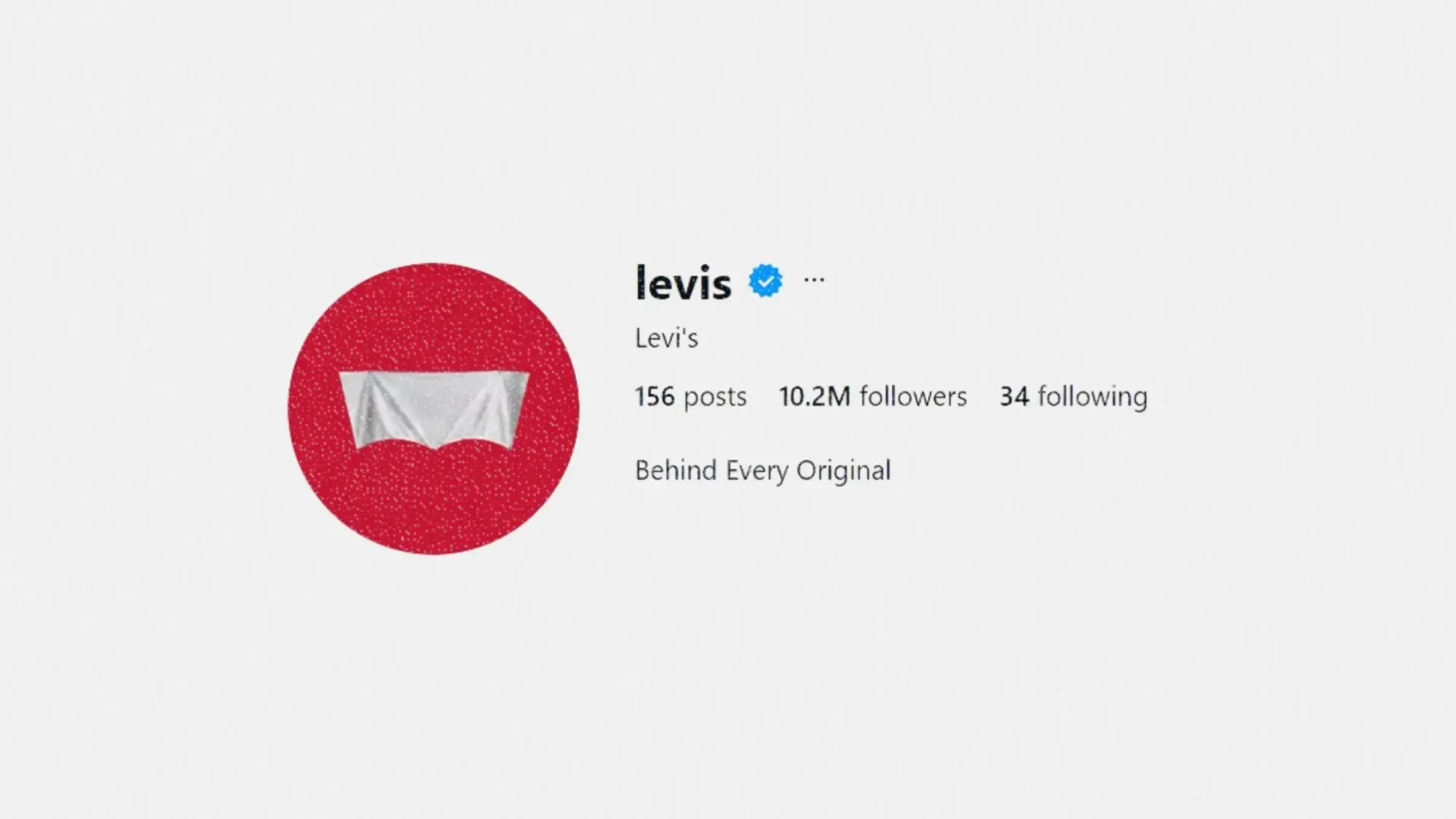
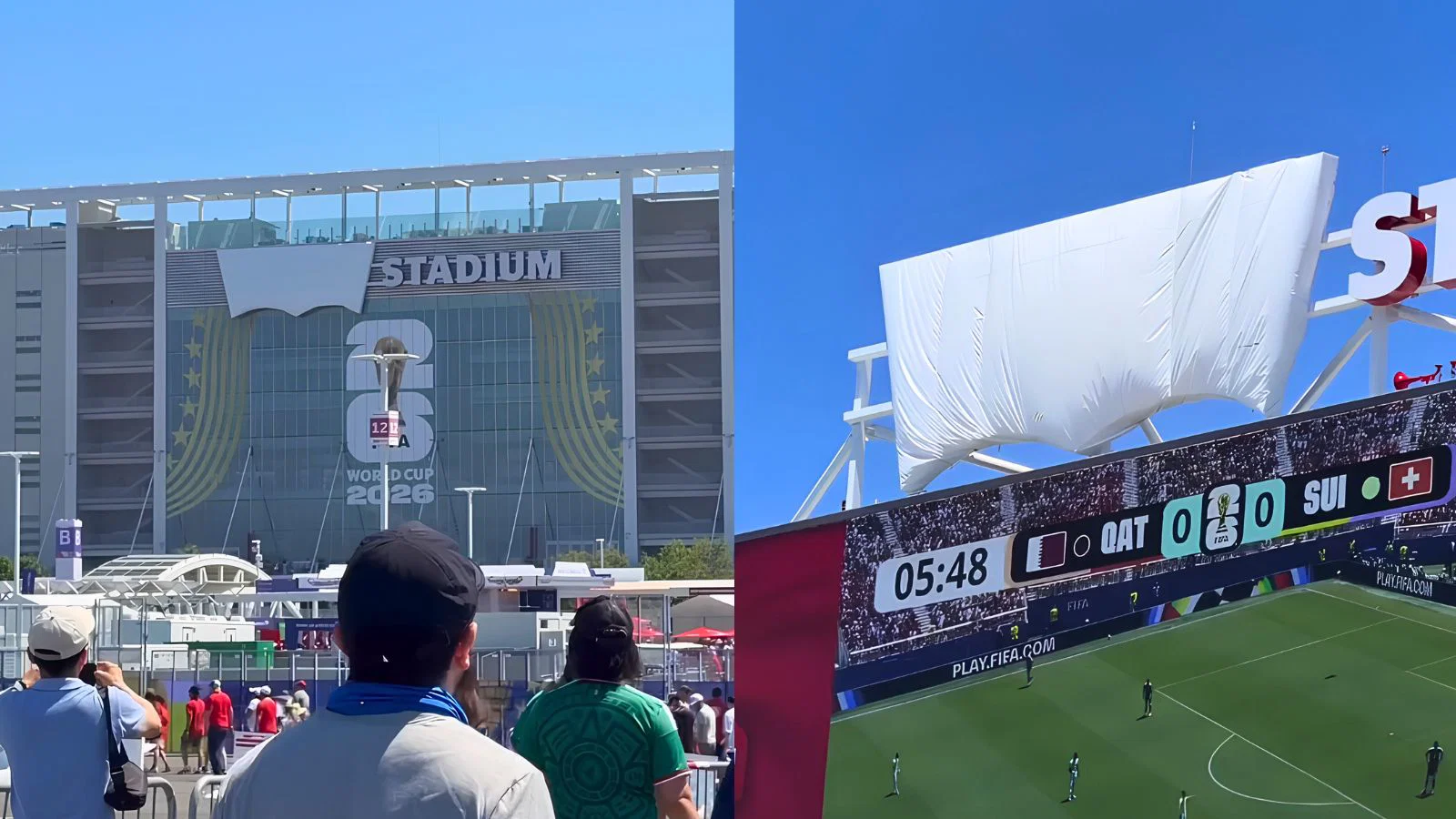
After reports emerged that FIFA required commercial stadium branding to be concealed at host venues, Levi’s responded by covering its iconic stadium logo with a white tarp while leaving the unmistakable batwing silhouette visible. The move quickly became a social media talking point, with Levi’s amplifying the moment through its Instagram profile image and a tongue-in-cheek campaign that played directly into the conversation.
For marketers, the story goes beyond a clever social media joke. It highlights how brands can turn restrictions, limitations, and even forced compliance into cultural moments that generate earned media, consumer goodwill, and brand recall.
Table of contents
Jump to each section:
- What happened between FIFA and Levi’s?
- Why the logo cover-up became a marketing story
- What marketers should learn from Levi’s response
- What this means for sponsorship and event marketing
 Valery Moniaga
What happened between FIFA and Levi's?
According to media reports, FIFA has required Levi’s Stadium branding to be covered ahead of the FIFA World Cup 2026.
The stadium, located in Santa Clara, California, is one of 16 venues hosting matches during the tournament. On FIFA materials, the venue is listed as the San Francisco Bay Area Stadium rather than its commercially branded name.
In response, Levi’s covered the logo on the stadium facade with a white tarp. However, the tarp still revealed the distinctive outline of the brand's batwing logo shape. Rather than treating the situation as an inconvenience, Levi’s embraced it publicly.
The company changed its Instagram profile picture to feature the covered logo and published a playful video referencing the viral "Nobody’s Gonna Know" trend. The accompanying caption read: "Welcoming the world to the beautiful [redacted] stadium!"
The post quickly generated engagement from fans, many of whom praised the brand's sense of humor. Some even suggested Levi’s should turn the tarp-covered logo into merchandise.
Why the logo cover-up became a marketing story
What makes this situation interesting is that Levi’s may have gained more attention from the cover-up than it would have from displaying the logo normally.
The human brain is remarkably good at recognizing familiar shapes. Even with the logo hidden, consumers instantly understood which brand was being referenced. That recognition created a form of participation where audiences became part of the joke.
Several marketing dynamics are at play:
- Scarcity creates curiosity: Hiding something often attracts more attention than displaying it.
- Consumers enjoy insider jokes: Fans felt included in the brand's playful response.
- Earned media multiplies reach: News outlets, marketers, and social users began discussing the story organically.
- Brand assets matter: The batwing silhouette proved strong enough to communicate the brand without words.
Ironically, FIFA's brand protection efforts may have helped reinforce Levi’s visual identity.
 Patrecia Meliana
What marketers should learn from Levi's response
Levi’s response offers several lessons for brands navigating sponsorship restrictions, platform rules, or unexpected limitations.
1. Turn constraints into creative opportunities
Many brands spend heavily trying to create attention. Levi’s received widespread discussion by reacting creatively to a situation it did not control.
2. Invest in distinctive brand assets
This stunt worked because consumers immediately recognized the batwing shape. Brands with strong visual identities can remain recognizable even when logos are removed.
3. Move quickly when cultural moments emerge
Levi’s social team reacted fast, updating profile imagery and publishing content while public attention was building. Speed helped maximize relevance.
4. Let the audience participate
The campaign did not explain the joke. Consumers figured it out themselves, which often increases engagement and sharing.
5. Use humor carefully
The response stayed playful without directly attacking FIFA. That balance allowed Levi’s to benefit from the situation without escalating it into a public conflict.
What this means for sponsorship and event marketing
The incident also highlights broader challenges around global sporting events.
FIFA has long required venues to remove or conceal non-sponsor branding during tournaments. Similar changes have affected venues including SoFi Stadium, MetLife Stadium, and NRG Stadium, which have been assigned event-specific names for the World Cup.
Brands that do secure official partnerships are increasingly using them for broader storytelling and fan engagement, as seen in Hyundai’s FIFA World Cup 2026 campaign.
However, the 2026 tournament presents unique complications because most venues already exist and have established naming-rights agreements.
For marketers, this creates an interesting tension:
- Rights holders want to protect sponsor exclusivity.
- Venue partners want visibility from global audiences.
- Consumers increasingly notice and discuss these restrictions online.
- Social media can transform operational decisions into marketing narratives.
The Levi’s example demonstrates that even brands without official sponsorship prominence can sometimes generate significant attention through creativity and cultural relevance.
 Patrecia Meliana
Levi’s likely could not stop FIFA from enforcing its brand protection rules. What it could control was the narrative surrounding the decision.
By embracing the logo cover-up instead of resisting it, the company transformed a compliance requirement into a viral marketing moment. Whether intentional or not, the white tarp may become one of the most memorable pieces of branding associated with the lead-up to FIFA World Cup 2026.
For marketers, the takeaway is simple: sometimes the most effective branding opportunity is not the one you planned. It is the one you creatively turn to your advantage.