Liverpool FC turns Champions League programmes into local art collectibles
Liverpool FC is using local artists to turn Champions League programmes into collectibles rooted in Anfield matchday culture.


A matchday programme can look like a small piece of paper until it becomes tied to a specific night, opponent and memory. For football supporters, that is where the collectible value starts.
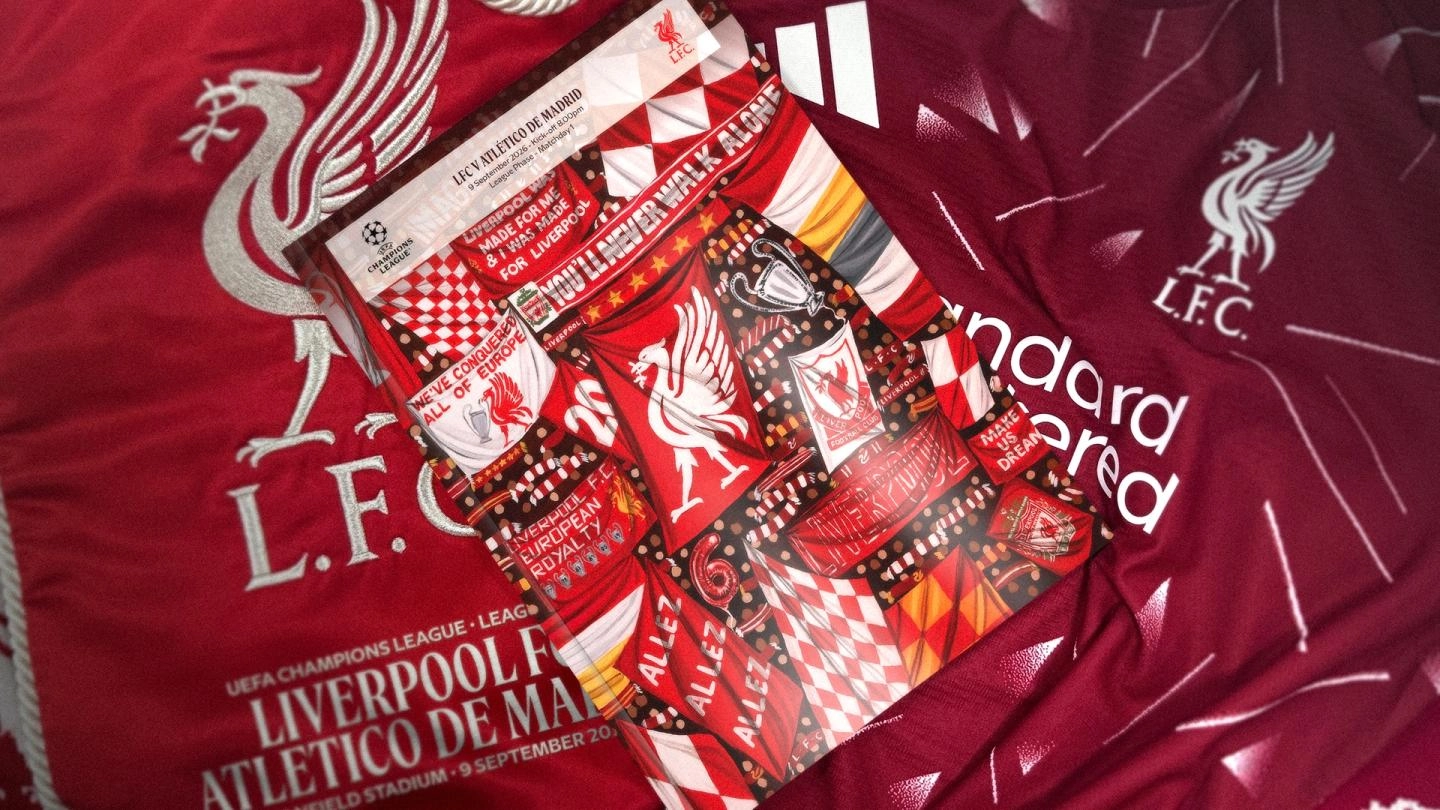
Liverpool FC is leaning into that ritual with its first Champions League matchday programme artist series, commissioning local artists to create covers for selected European fixtures.
Table of contents
Jump to each section:
- How Liverpool is turning matchday ritual into a collectible
- Why local artists make the idea feel native to Anfield
- Football marketing is becoming more collectible and place-specific
- What marketers can learn from the artist series
How Liverpool is turning matchday ritual into a collectible
The mechanic is deliberately simple. Selected Champions League programmes will carry bespoke artwork, giving supporters a reason to see each issue as part of a series rather than a one-off purchase.
The first cover is by Liverpool-based artist Abigail Rudkin, whose work draws on the visual identity of a European night at Anfield. Liverpool says later fixtures will bring in other artists, giving the format a built-in reason to continue.

Why local artists make the idea feel native to Anfield
Rudkin is Liverpool-based, identifies publicly as an LFC fan, and has previously made football art connected to the club. That local connection makes the project feel less like outside creative being applied to football culture and more like football culture being interpreted by someone already inside it.
For sports brands, this matters. Community-based creative work feels strongest when the creator has a believable relationship with the place or ritual being represented.
Football marketing is becoming more collectible and place-specific
Liverpool's programme series sits inside a broader pattern of football organizations using art and physical objects to deepen the sense of place around major sporting moments. FIFA's 2026 Art of Soccer project in Houston similarly used local creative work to connect football with community identity.
The difference here is scale and intimacy. Liverpool is putting local creative work onto an object supporters already encounter around the stadium, allowing the programme to continue representing a specific night after the match ends.
What marketers can learn from the artist series
The broader lesson is that existing rituals can become more meaningful when brands give people a new reason to notice and keep familiar objects.
- Start with an existing audience habit. Liverpool adds meaning to an established supporter behavior rather than inventing a new one.
- Build a format that can continue. Rotating artists lets each edition stand alone while still belonging to a larger collection.
- Use creators with a credible cultural connection. Rudkin's Liverpool roots make the first cover feel connected to the community it depicts.
- Give physical media a clear link to a specific occasion. The value comes from what the programme represents: a particular match, crowd and season.
The series works because it builds on a ritual supporters already understand.