Microsoft’s Nadella wants AI to be seen as a tool, not the end of human work
Microsoft’s ceo pushes back against AI job-loss narratives, urging the industry to see AI as a human productivity enhancer

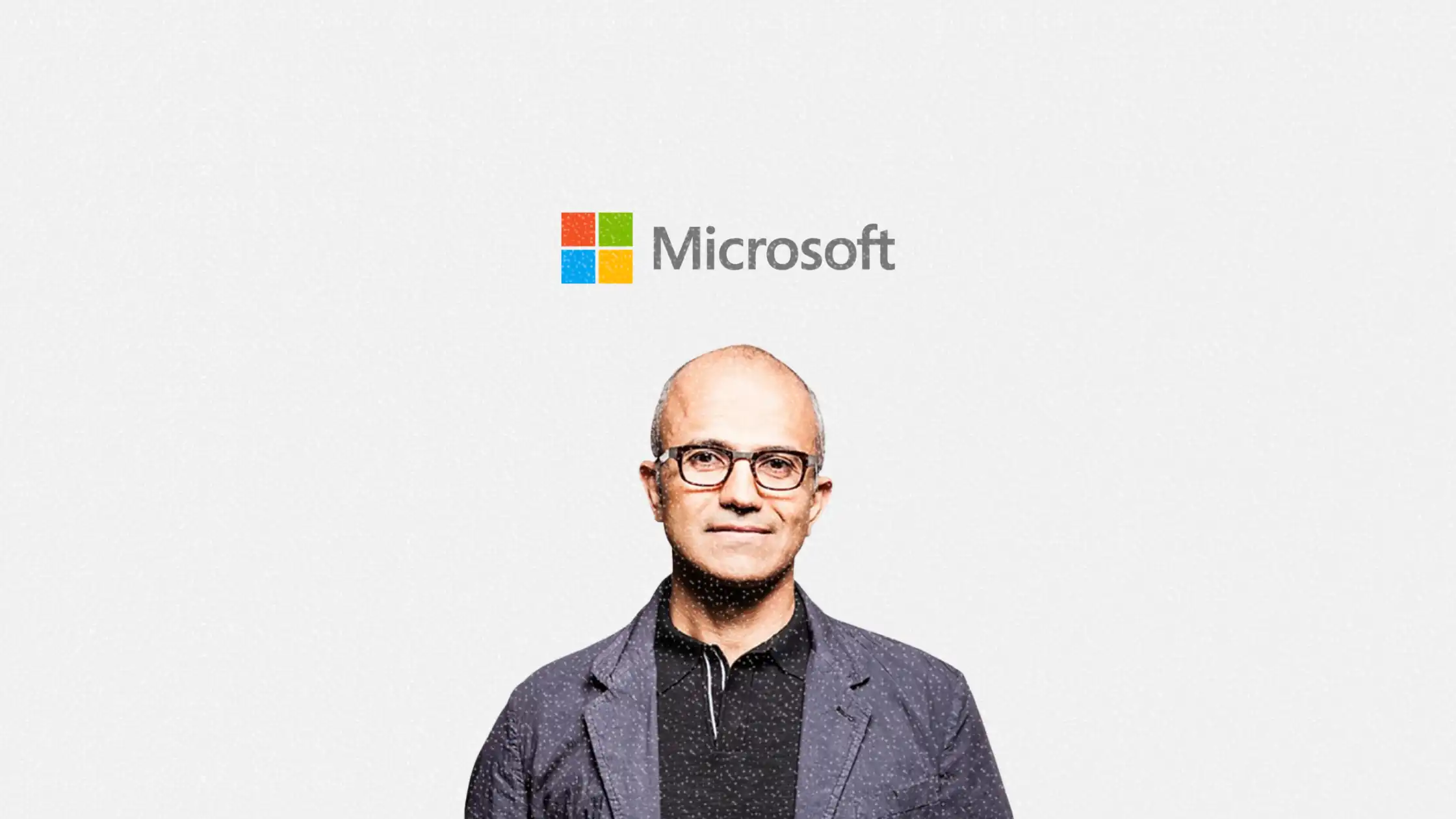
Microsoft’s ceo Satya Nadella is taking a clear stance on the AI discourse: stop calling it slop and start calling it scaffolding for human potential.
In a recent blog post, Nadella called on the tech industry to reframe its thinking around AI. Rather than seeing the technology as a threat to white-collar jobs or a vehicle for spammy content, he says it should be treated like “bicycles for the mind” — a phrase coined by Steve Jobs that refers to tools which amplify human capability.
This article explores Nadella’s stance, the pushback against AI pessimism, and what it all means for marketers navigating the evolving AI economy.
Short on time?
Here is a table of content for quick access:
- What happened: Nadella pushes back on AI pessimism
- Why the framing matters: The industry often markets AI as a job killer
- Reality check: What does AI actually replace right now?
- What marketers should know
 Patrecia Meliana
Nadella pushes back on AI pessimism
Just weeks after Merriam-Webster declared “slop” as its word of the year — a jab at low-effort AI-generated content — Nadella made a different pitch: AI is not a substitute for human intellect, it’s a productivity amplifier.
He urged the industry to move beyond the binary of “slop vs sophistication” and instead build a more nuanced “theory of mind” for this era of AI, where humans work with cognitive amplification tools instead of being replaced by them.
His message? AI should be integrated as scaffolding that extends human capabilities, not as a shortcut that undermines them.
The industry often markets AI as a job killer
The timing and tone of Nadella’s post are notable. While Microsoft has invested heavily in AI across its product lines, from Copilot in Office to Azure AI services, its own corporate actions complicate the message.
In 2025, Microsoft laid off over 15,000 workers despite reporting record profits. AI was mentioned explicitly in internal memos as a strategic pillar going forward. Although Nadella never directly blamed AI for the cuts, the optics were clear: AI is part of Microsoft’s pivot, and workers felt the effects.
This tension isn't limited to Microsoft. Other AI-heavy firms like Amazon, Salesforce, and Anthropic have made similar moves, with a Challenger, Gray & Christmas report noting AI was linked to nearly 55,000 US layoffs in 2025.
That backdrop makes Nadella’s call for a more human-centric framing both important and arguably overdue.
What does AI actually replace right now?
While headlines often hype up fears of mass job displacement, the actual data paints a more complicated picture.
MIT’s ongoing Project Iceberg estimates that AI can currently handle about 11.7% of paid labor tasks. But that doesn’t mean 12% of jobs are gone. It means certain repeatable tasks, like AI-assisted paperwork for nurses or automated coding, can be offloaded to machines.
As Nadella points out, most AI use cases still require humans in the loop. Whether it’s fact-checking an AI draft or fine-tuning code, the tools still depend on skilled workers.
That’s echoed by findings in Vanguard’s 2026 economic forecast, which showed that the 100 jobs most exposed to AI are also outperforming others in terms of wage growth and hiring. Those using AI well are thriving, not getting replaced.
What marketers should know
Nadella’s AI philosophy may sound lofty, but it offers useful cues for marketing leaders thinking about how to integrate AI without alienating teams or audiences.
Here are a few key takeaways:
1. Mastery beats automation
Instead of asking, “Can AI do this for us?” a better question is: “How can we use AI to do this better?”Marketers who know their craft and use AI to boost productivity — whether for faster content generation, campaign analysis, or creative brainstorming — are seeing real gains. AI becomes a multiplier when used with intent, not a shortcut.
2. Strategy must outpace hype
Don’t fall into the trap of buying tools that promise full automation. The best use cases often involve AI assisting rather than replacing. Teams that invest in upskilling and redefining roles around human-AI collaboration will stay ahead.
3. The slop backlash is real and useful
Nadella’s critique indirectly acknowledges the growing fatigue around low-quality, generic AI content. For marketers, that’s a wake-up call: if your AI-generated output feels like slop, your audience will tune out. Use AI to elevate quality, not just increase volume.
4. People still want the human touch
AI might get the job done faster, but trust and emotion still come from people. Marketers should be transparent about how they use AI, especially in content creation and customer engagement. Consumers are watching, and they can tell the difference.
AI isn’t going away, and neither is the conversation around what it should do for society. While Nadella’s latest post might not change the minds of AI doomsayers, it puts a stake in the ground for a more balanced narrative.
If you’re leading a marketing team, the key isn’t to resist AI or rush to replace people. It’s to get smarter about where human expertise matters and where AI can help your people shine.