Music influencer marketing: turn creator buzz into listeners who stay
Music influencer marketing guide for labels and artists: select creators, brief TikTok and Reels content, and measure the journey from views to listeners.


Music influencer marketing can produce millions of video views without showing that anyone became a regular listener. The difference matters to artists and labels planning release budgets. A creator who turns a song into a compelling video may introduce it to a new community; the next task is getting that community to play, save and return to the track.
Campaign teams need a plan for both sides of that journey. Creator selection, sound licensing and format design determine how the song appears in a feed. Smart links, streaming analytics and consistent reporting determine whether the campaign moved people beyond the video. The same principles help music managers, labels and brand partners funding artist-led activations.
Table of contents
Jump to each section:
- Why music promotion needs a listener goal
- What the Ultra Records and Bynx challenge actually proved
- What FREDERIC's two-platform test changes
- Choose creators by use case, not follower tier
- Build a brief around the sound's strongest moment
- Report reach, listens and lasting audience separately
- Reuse creator content carefully after release week
- A 30-day music influencer marketing pilot
Why music promotion needs a listener goal
Music influencer marketing works best when a creator's video gives someone a reason to hear a track again. A dance clip, an edit or a personal story can introduce the song, but exposure is only the first step. For artists, labels and agency teams, the commercial question is whether the clip produces people who save, stream or return to the music.
The challenge is that creator metrics and music metrics live in different systems. TikTok and Instagram show reach, likes, shares and sound uses. Streaming services show listeners, streams, saves and repeat behavior. A campaign can look spectacular on one dashboard and leave the other almost unchanged.
Set the primary outcome before choosing creators. A pre-release push may prioritize recognition and pre-saves. An established track might need renewed listening or entry into a specific community. A touring act may want ticket-page visits within a defined city. The creator format should suit the action and the people most likely to take it.
Ask the team to write down one sentence: this campaign should persuade this audience to take this next step. It is more useful than an instruction to make the track go viral, because it gives both creative and reporting teams something they can evaluate.
What the Ultra Records and Bynx challenge actually proved
In May 2026, Ultra Records and Bynx used SpaceLoud's TikTok creator challenge to introduce the track 'Help I'm Alive (Rework)'. The creative brief invited participants to experiment with AI visuals and avatars rather than copy a single choreography. That choice gave the song a visual idea creators could adapt to their own style.
SpaceLoud reports that 93 creators produced 119 videos, attracting 7,034,945 views and 458,911 likes. Its published campaign summary estimates a US$0.57 cost per thousand views. These are figures reported by the campaign provider; they were not independently audited for this article.
The result supports a specific conclusion: an adaptable visual prompt can generate a substantial pool of native creator content around one sound. The published case does not report independently verified new Spotify listeners, repeat streams or long-term fan growth. Seven million video views should never be presented as seven million song listeners.
That missing link is the interesting lesson for marketers. Build a content challenge that people want to participate in, then add a measurable path from the sound or profile to the track. Without that second layer, the campaign proves distribution performance but not how many people formed a lasting relationship with the artist.
What FREDERIC's two-platform test changes
A separate SpaceLoud case study describes FREDERIC's 'PARALYZED' release using simultaneous challenges on Instagram Reels and TikTok. The provider reports 356 creator posts and 53.1 million combined video views. The large number is striking, but the platform split is more useful for planning.
According to that report, Instagram Reels delivered about 48 million views across 190 submissions. TikTok delivered about 5.1 million views across 166 submissions. The two platforms carried similar numbers of creator posts but very different reported view totals.
A brand team should not assume TikTok will outperform Instagram simply because it is associated with music discovery. Different audiences, editing conventions and particular creators can change the result. Build a test that compares real platform behavior for the actual track rather than copying last quarter's allocation.
The FREDERIC numbers also show why averages need context. A few videos can produce a disproportionate share of views, leaving the rest of the roster with much less. Ask for the distribution of outcomes by creator and creative format, not just a blended cost per thousand impressions.
Again, these are vendor-reported campaign observations, not verified evidence of additional paid subscribers, music sales or retained fans. Put the streaming outcome next to the short-form outcome whenever those data are available.

Choose creators by use case, not follower tier
Start with the song's most natural context. A dramatic electronic track may fit fashion transitions, gaming edits or visual effects. A reflective singer-songwriter release may work better with personal narratives and slow visual storytelling. The goal is to find creators whose normal content offers a believable reason to use the music.
Search for other songs and adjacent artists in the same audience niche. Watch what creators do with the sounds and how their communities respond. A creator who routinely adds thoughtful music recommendations is different from an account that uses any trending sound beneath unrelated footage. Either may be useful, but they play different roles.
Request recent post-level performance, audience geography, engagement quality and examples of previous music collaborations. Use ContentGrip's creator vetting checklist to examine suspicious follower patterns and engagement before negotiating. Music marketing is particularly vulnerable to buying a large view number that does not represent genuine people.
Think in a small portfolio: several established niche creators with obvious song fit, a few experimental formats and one or two accounts that reach an adjacent audience. Give the creator a short brief describing the emotional or visual hook, but leave them control over the execution.
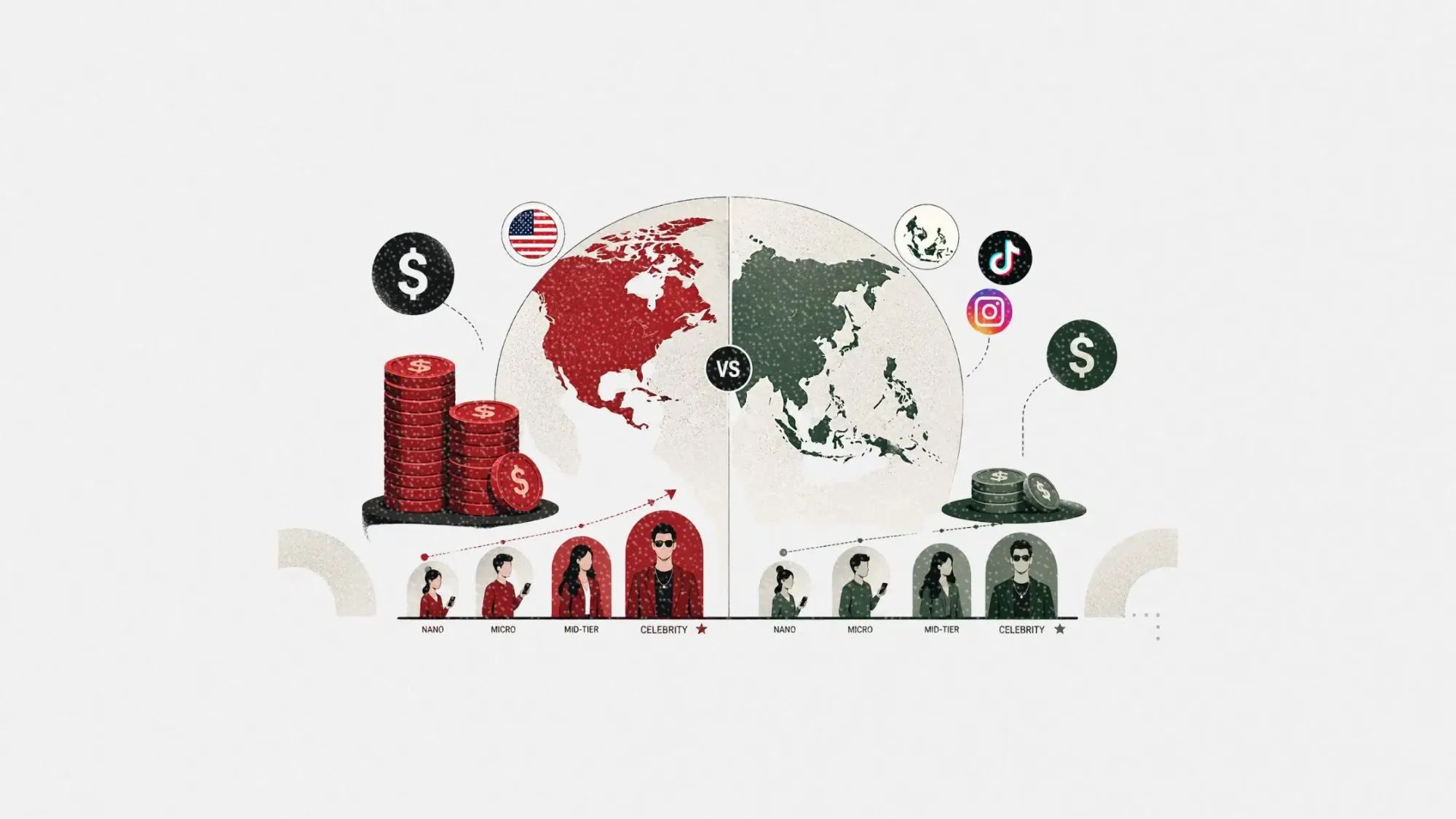
Set realistic payment and licensing expectations. Posting fees, edit fees, raw-footage access and advertising rights are separate line items. ContentGrip's influencer marketing cost guide provides broader tier and regional comparisons, although exact prices for music campaigns must come from current creator quotes.
Build a brief around the sound's strongest moment
Provide one official sound link and identify the part of the track that best suits a short video. The creative team may have a chorus, beat change or lyrical phrase in mind, but creators can tell you whether their audience has a different entry point. Ask them to pitch a concrete scene or editing concept rather than just promise engagement.
A workable brief covers the track, approved song credits, required disclosure, preferred publishing window, available platform sound pages, visual restrictions, prohibited claims and a destination link. Include a short explanation of who the artist is and why this release matters, without asking creators to pretend to be long-term fans if they are not.
Invite format diversity. A single lip-sync formula produces repetition and can make an activation feel manufactured. One creator might use a transformation edit, another might build a mood-led travel video and a third might talk directly to an audience about the music. A consistent sound can connect very different videos.
Music rights and platform licensing deserve specific attention. Confirm that the official sound is available for the intended territory and account type before asking for sponsored use. An audio clip that works in one creator's personal account may not be cleared for a brand account or paid advertisement. Verify allowed uses with the relevant rights holder and platform.
Finally, arrange the link destination before launch. A smart link should reach listeners' preferred streaming services quickly. Keep the destination consistent across the campaign, and give creators distinct tracking parameters where supported so the team can compare sources.
Report reach, listens and lasting audience separately
Use three reporting layers. First, record what happened on the creator platform: qualified video views, completion, shares, sound uses and engagement quality. Second, track actions that point toward music: outbound clicks, smart-link opens, pre-saves and streaming-service handoffs where supported. Third, look for actual listening changes: monthly listeners, saves, streams and returning audience, with the reporting window clearly stated.
Do not add video views across platforms and call that unique reach. The same person may watch on Instagram and TikTok, and may watch multiple times. Likewise, a click to a streaming service does not prove a completed song play. Label each number with the platform, data source and method used.
Set a baseline before the campaign begins, ideally with several comparable weeks of data. Compare the campaign window with that baseline while acknowledging what else changed: playlist exposure, other ads, radio support, organic press or a separate release announcement. Correlation with a launch does not establish that influencer posts alone drove the difference.
When attribution is imperfect, state it. A creator campaign might raise interest that surfaces later through search or recommendations, but the team should not invent a conversion path that cannot be observed. Report 'unknown' where there is no reliable listener-level link.
A useful executive view has just four columns: cost, creator/content output, track-directed actions and music-service outcome. Then add a note about the strongest performing creative idea and what will change for the next release. This beats presenting a huge view total without a testable business lesson.
Reuse creator content carefully after release week
The footage has value beyond its original post when the creator and rights holders approve reuse. Short cuts can help introduce the artist on owned social accounts, serve as paid creative or give fans a new reason to return to the track. But reuse rights are not implied by paying a creator to publish once.
Negotiate where the video may appear, whether it can be edited, how long the license lasts and whether ads may run from the creator's account. Clarify who controls the music recording, composition and video assets. Where local regulations apply, ensure paid endorsements are disclosed as advertising.
Ask creators to preserve their actual voice. A video presented as an unsolicited personal recommendation may be misleading if it was commissioned. Honest disclosures are compatible with genuine enthusiasm; the audience mainly needs to understand the relationship.
Reuse should respond to evidence. If a behind-the-scenes clip performs well with an audience that visits streaming links, adapt it. If a spectacular transition creates views but few music-directed actions, it may remain useful awareness creative without becoming the main conversion asset.

A 30-day music influencer marketing pilot
In week one, lock the audience, the primary song moment and one observable music goal. Audit competing sounds and current creators in the genre, then build a short list with audience fit and verified account activity. Confirm clearance of the official audio and the streaming destination.
In week two, brief a modest mix of creators and collect three or four different video ideas. Agree on posting dates, tracking links, disclosure and permission to adapt the content later. Ask the artist and label to review factual details without turning every video into a scripted promotion.
In week three, publish the videos in a coordinated window and review actual early engagement, not just the biggest single post. Watch how viewers use the sound, what they ask in comments and whether track-directed visits or saves increase. Do not claim streaming growth until the relevant service reports it.
In week four, compare creator spending with attributable track actions and the music-service trend. Keep a record of creative concepts that created useful interest and those that produced views alone. Decide whether to extend the best licensed asset or test a different creator cohort.
The goal of music influencer marketing is to turn a moment of discovery into a reason to listen again. Creator content supplies the introduction. A credible match between song, audience and creative format gives the introduction a chance to matter. Measurement tells the team whether the relationship continued after the scroll.