Paramount sharpens its WBD takeover offer with all-cash bid and Ellison’s backing
Paramount revises its bid for Warner Bros. Discovery to address shareholder concerns and outmatch Netflix

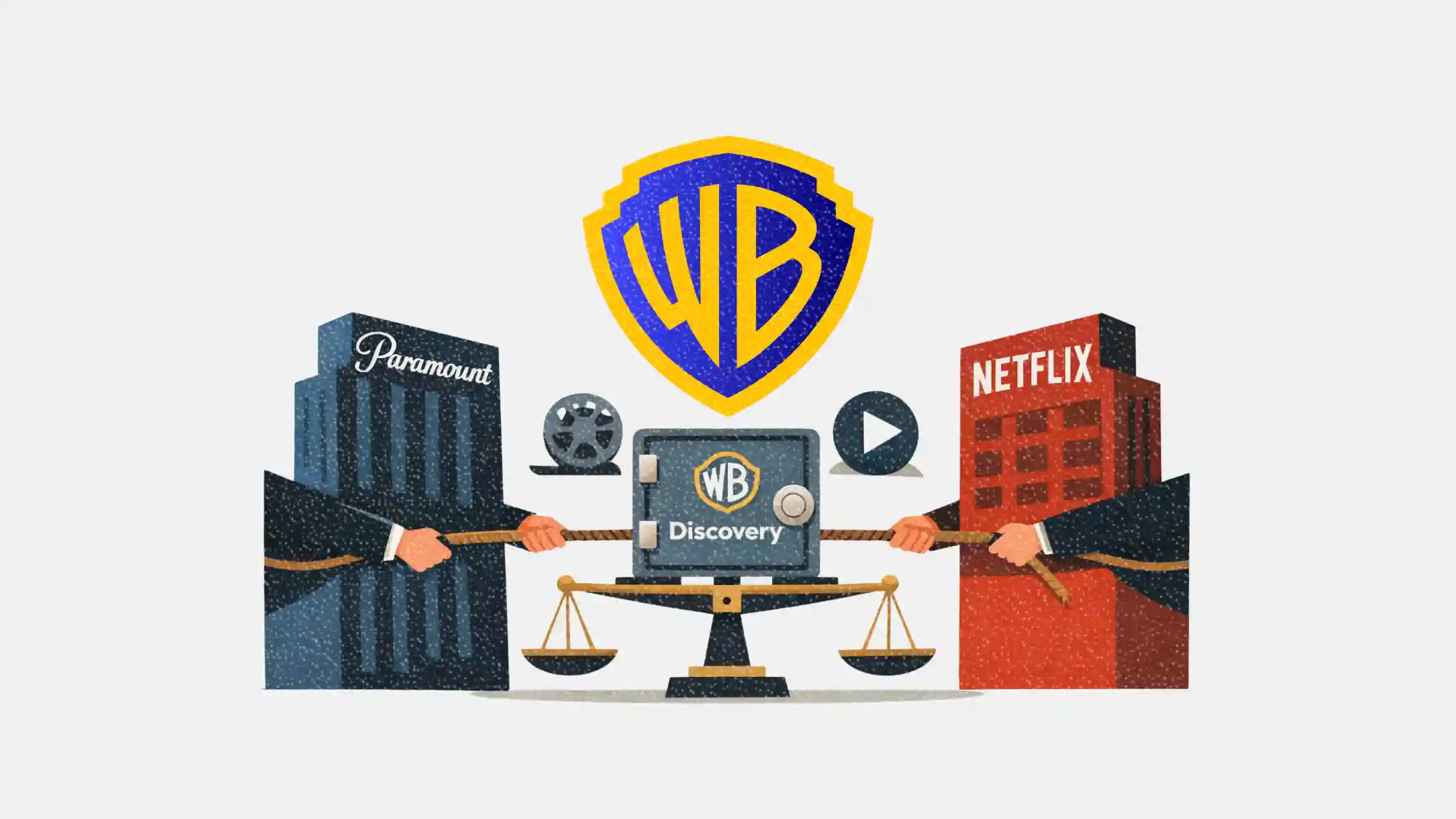
Paramount’s campaign to acquire Warner Bros. Discovery (WBD) just got personal. This week, Paramount Skydance revised its all-cash bid of US$30 per share by attaching a US$40.4 billion personal guarantee from Oracle founder Larry Ellison. The move is designed to silence criticism over financing and push the WBD board to reconsider its earlier rejection of the deal.
For brand leaders, this deal is more than just a Wall Street headline. It hints at where the entertainment economy is heading and how content distribution models could shift for marketers who rely on Hollywood IP.
This article breaks down what the new offer includes, why it matters for the ongoing WBD acquisition saga, and what marketers should take away from this high-stakes fight between Paramount and Netflix.
Short on time?
Here’s a table of contents for quick access:
- What changed in Paramount’s updated offer
- Why Larry Ellison’s personal guarantee matters
- What marketers should know
 Falencia Naoenz
What changed in Paramount's updated offer
Paramount’s original bid for WBD, launched on December 4, was dismissed by the WBD board. Executives favored Netflix’s competing offer announced a day later, which involved a mix of cash and stock and valued WBD at US$82.7 billion.
Paramount’s new proposal attempts to answer every objection raised by WBD leadership:
- Personal equity guarantee: Larry Ellison has pledged to personally guarantee US$40.4 billion of the equity financing and potential damages related to the acquisition.
- Trust commitments: The Ellison family trust, which owns 1.16 billion Oracle shares, will remain intact throughout the deal and will not transfer assets during the transaction.
- Improved deal terms: Paramount has made concessions to allow WBD more flexibility in managing debt and operations while the deal is underway.
- Increased breakup fee: Paramount has raised its regulatory reverse termination fee to US$5.8 billion to match Netflix’s terms.
- Expiration extension: The tender offer is now valid until January 21, 2026, giving shareholders more time to review the amended bid.
Despite WBD previously calling the deal “illusory,” Paramount now says it has addressed every financing concern and is urging shareholders to reconsider.
Why Larry Ellison's personal guarantee matters
By stepping in personally, Larry Ellison has shifted the narrative. The Oracle founder’s US$40.4 billion pledge gives Paramount’s offer a new level of credibility and legal enforceability. This responds directly to WBD’s critique that the original proposal lacked financial transparency and dependability.
It also gives the impression of a founder-led conviction play. David Ellison, Larry’s son and CEO of Paramount Skydance, is leading the charge. With this new backing, he’s positioned the bid not just as a financial transaction but as a strategic transformation for legacy media.
Ellison’s involvement is also a signal to shareholders and investors that this is not a vague vision. It is a fully financed, high-stakes plan to reshape the entertainment business.
What marketers should know
This clash between Paramount and Netflix may feel like a boardroom standoff, but it holds real implications for how content partnerships and entertainment marketing will work in the coming years. Here are four key takeaways for brand strategists and media buyers:
- A shift back to theatrical could reshape campaign timing
Paramount has emphasized increased theatrical output as part of its post-acquisition vision. For marketers, that could mean more predictable blockbuster release cycles, ideal for synchronized ad campaigns and cross-promotions.
- A Paramount-owned WBD may offer more open partnership models
Unlike Netflix, which often operates as a closed platform, Paramount may offer more licensing or co-branding opportunities across streaming and theatrical. That could open doors for branded content, product placement, or campaign integrations across media channels.
- Deal volatility impacts IP and sponsorship planning
While this deal plays out, long-term IP collaborations with WBD properties like DC, HBO, and Discovery may be harder to lock in. Marketers should stay flexible and build in contingency plans when working with entertainment brands involved in M&A activity.
- Expect tighter scrutiny of media valuations and transparency
Paramount’s criticism of Netflix’s offer highlights how equity and debt mechanics are coming under the spotlight. Brands and agencies may start paying more attention to deal structures that affect content pipelines, delivery timelines, or viewer access.
Paramount’s play for WBD is no longer a shot in the dark. With Larry Ellison’s personal billions now backing the bid, this offer looks harder to ignore. Whether or not WBD’s board shifts course, the deal highlights just how aggressively media giants are positioning themselves for the next wave of content control.
For marketers, the key is to keep watching how these ownership changes affect the availability, pricing, and structure of brand partnerships tied to major entertainment properties. This is not just media consolidation. It is a pivot point for how and where you tell your stories.