Pinterest’s CEO wants social media banned for users under 16
A growing global push to restrict teen access is forcing marketers to rethink youth engagement strategies

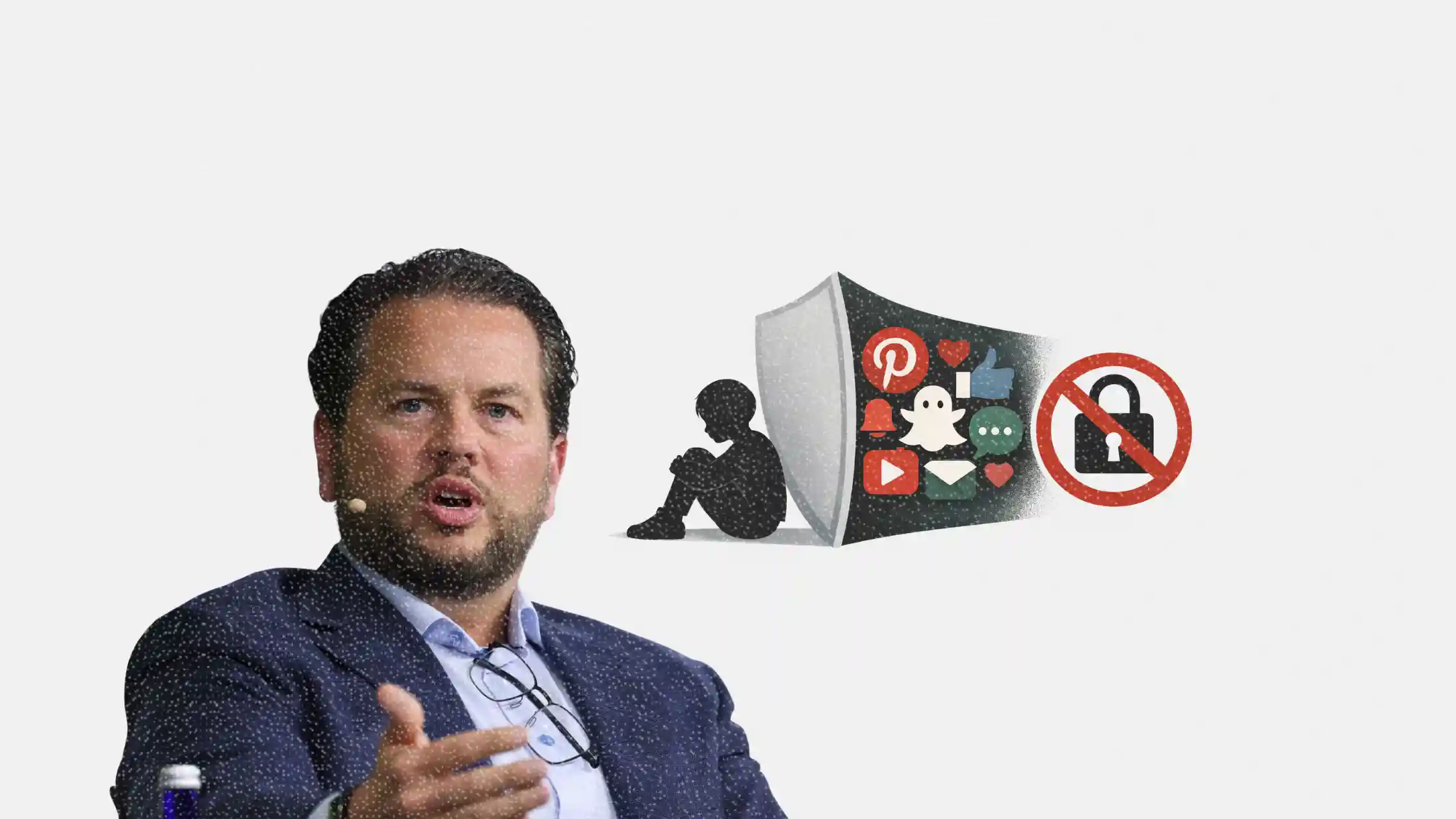
Bill Ready, Pinterest’s CEO and a former Google executive, has thrown his weight behind a global push to restrict social media access for users under 16. In a new Time op-ed, Ready argues that children are part of a “global social experiment” gone wrong, citing rising depression and anxiety linked to unfettered screen time.
With more countries pursuing platform bans and new forms of age verification, tech firms face a growing regulatory moment. Marketers would be wise to start thinking about the long-term platform shifts this could create.
This article explores what Ready actually said, why this is more than moral panic, and how it could impact marketers operating in youth segments.
Short on time?
Here’s a table of contents for quick access:
- Why Pinterest’s CEO wants a ban on social media for under-16s
- Where the global social media ban movement stands today
- What marketers should know
 Patrecia Meliana
Why Pinterest's CEO wants a ban on social media for under-16s
Ready’s core argument is that social media platforms were never designed with children in mind. Instead, they were built to maximize time on screen, often at the expense of mental health. He likens the industry’s behavior to that of tobacco companies in the 20th century, prioritizing profits over youth well-being.
In his words, “We lose any credibility to oppose a ban if we can’t act now to protect kids.” He points to Australia’s decision to ban social media access for users under 16 and says other countries should follow suit if platforms do not move faster to implement protections.
Importantly, Pinterest already restricts social features like messaging and public commenting for users under 16. Despite this, Ready claims Gen Z now makes up over half of Pinterest’s user base, countering fears that strict protections could scare younger users away.
He also raised concerns about AI chatbots being layered onto social platforms, warning that young users are being exposed to persuasive tools that influence emotions and identity long before they are mature enough to process them.
Where the global social media ban movement stands today
Pinterest is not the only stakeholder pressuring governments to take action. Several countries are now either implementing or debating age-based restrictions:
- Australia has already announced a national ban on social media for users under 16
- Spain, Malaysia, and Indonesia have made similar moves, though enforcement strategies differ
- France recently approved a ban for users under 15
- Germany’s ruling party has signaled support for restrictions
- U.S. states are pushing legislation focused on age verification and app store accountability
 Patrecia Meliana
At the same time, critics, including some fellow tech CEOs, have pushed back, calling these bans “performative” or “paternalistic.” Others argue that young users will simply migrate to less regulated platforms, making them harder to protect.
Still, surveys show widespread parental support for action. Pew Research indicates that concerns about screen use are widespread, with about two-thirds of parents saying they themselves spend too much time on their smartphones (65%), and 47% saying the same about their time on social media. A recent Harris Poll also found that nearly half of Gen Z respondents said they wish some platforms did not exist at all.
What marketers should know
Marketers who rely on social platforms to engage younger demographics should start planning for more stringent age gates, regional platform shifts, and possible ad inventory shrinkage. Here are a few ways to prepare:
- Diversify youth engagement strategies
Do not assume TikTok or Instagram will remain viable for reaching under-18 audiences. Start building content and brand strategies that do not depend entirely on algorithmic feeds.
- Monitor age verification tech
Platforms may be forced to partner with mobile OS providers or third-party verification services. These systems could affect onboarding flows, campaign attribution, and user targeting.
- Expect compliance costs to rise
If your product targets younger consumers, prepare for more scrutiny. This may involve localized age filters, parental control integrations, or opting out of certain platforms.
- Push for ethical marketing frameworks
There is an opportunity to lead here. Brands can differentiate by advocating for healthier digital environments and supporting youth-focused well-being initiatives.
- Adapt creative for trust and transparency
As public discourse around social media harm grows, marketers must avoid being seen as exploitative. Transparency in targeting and purpose-driven messaging will become more important.
Bill Ready’s op-ed is more than a parental plea. It is a rare industry insider call for regulatory overhaul. Whether or not universal bans materialize, the direction is clear. Youth access to social media is becoming a political battleground, and marketers should prepare for impact.
This is not just about public relations optics. It is about long-term sustainability. Platforms that fail to adapt will likely face legal, reputational, and financial risks. Meanwhile, brands that evolve ahead of regulation could gain trust and loyalty from a generation that is already questioning the value of social media.