
Sanrio launches Sanrio Games to bring character IP into global gaming ecosystem
Sanrio launches Sanrio Games to expand its IP into gaming

Sanrio is making a calculated move beyond merchandise and theme parks, stepping directly into the global gaming market with its own publishing label.
The shift is not just about entertainment. It signals a broader strategy to turn beloved characters like Hello Kitty into interactive, always-on engagement channels that bridge digital and physical experiences.
This article explores what the launch of Sanrio Games means for IP-driven marketing, fan engagement, and cross-channel brand ecosystems.
Short on time?
Here’s a table of contents for quick access:
- What is Sanrio Games and why is it launching now
- How Sanrio Party Land sets the tone for its gaming strategy
- Why Sanrio is betting on games as an IP growth engine
- What marketers should know about IP-driven gaming ecosystems
 Patrecia Meliana
What is Sanrio Games and why is it launching now
Sanrio has officially launched “Sanrio Games,” a new in-house game publishing brand designed to expand its character IP into interactive entertainment.
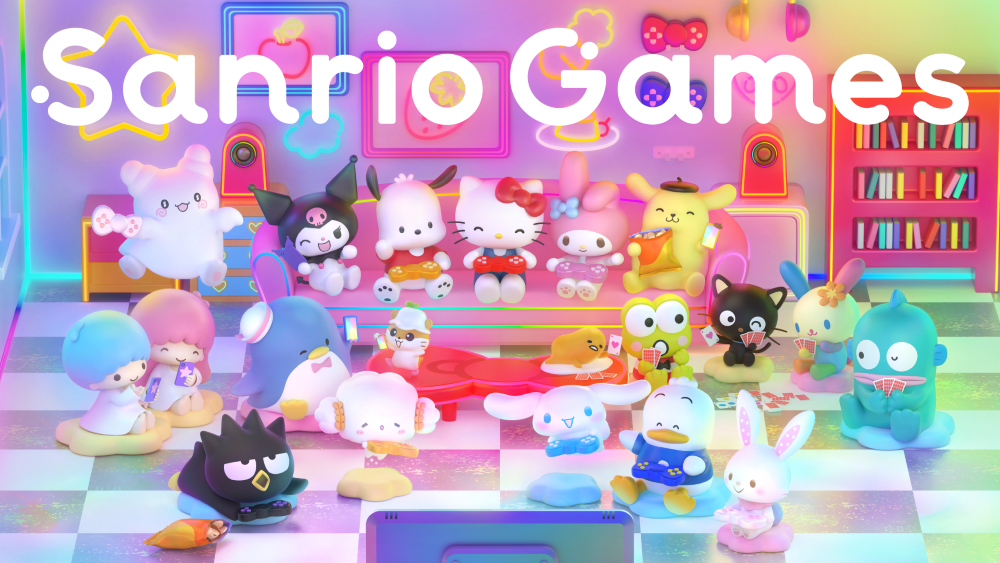
The company plans to release around 10 titles over the next three years, starting with a global launch in fall 2026. This initiative is part of its broader ambition to evolve into a “Global IP Platform Provider,” as outlined in its long-term vision announced in 2025.
The timing is strategic. The global gaming market reached approximately ¥31 trillion in 2024, making it one of the most engaging and scalable entertainment channels available today.
Until now, Sanrio has largely relied on licensing partners to bring its characters into games. With Sanrio Games, it is shifting toward direct control over development, storytelling, and user experience.
Patrecia Meliana
How Sanrio Party Land sets the tone for its gaming strategy
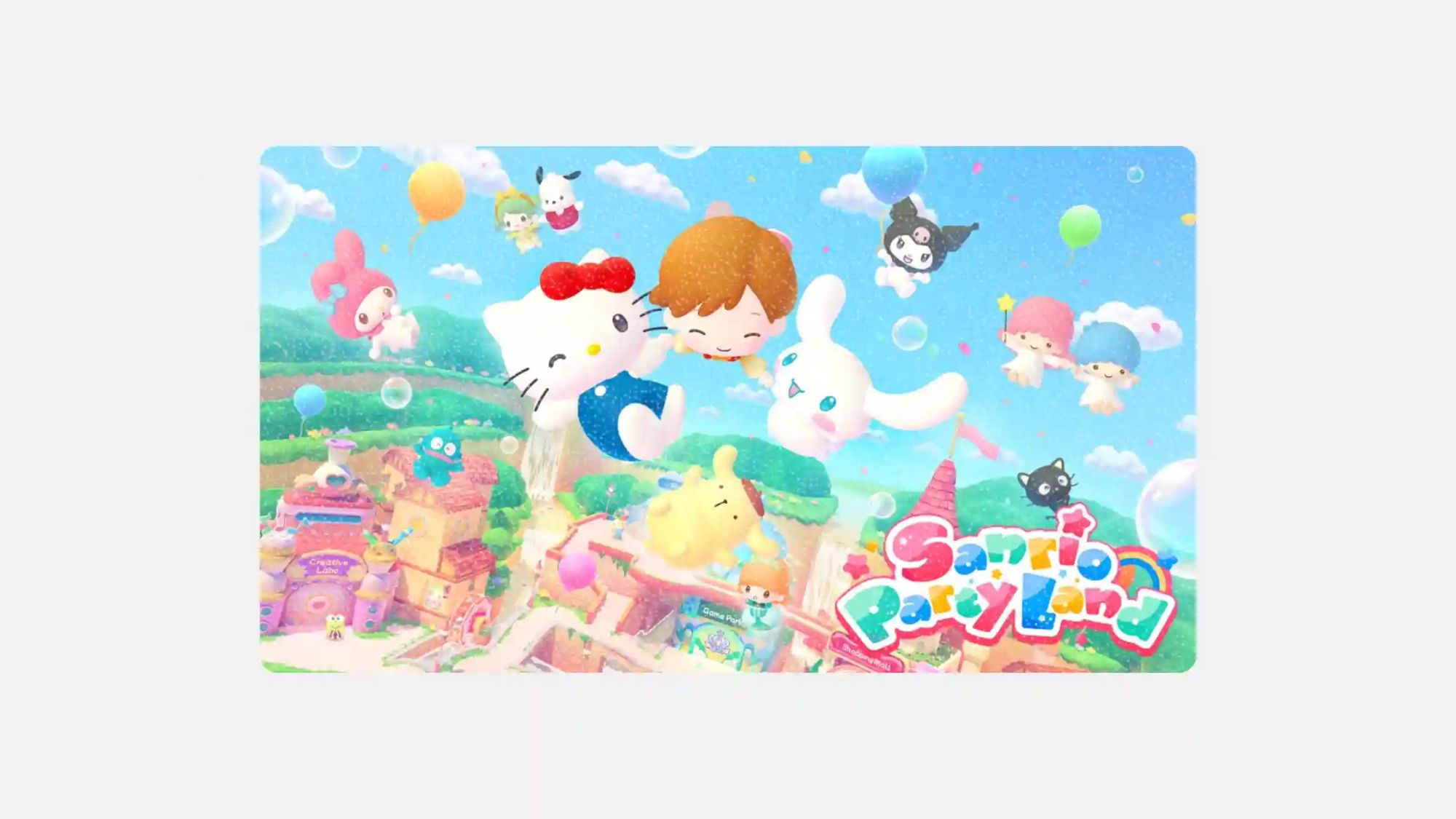
The first title under the new label, Sanrio Party Land, is a party game for Nintendo Switch and Switch 2, scheduled for a simultaneous global release in fall 2026.
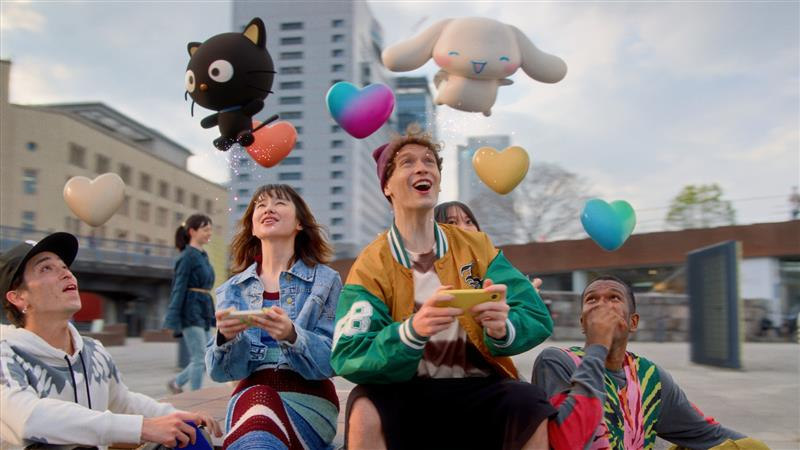
Set in a shared universe featuring multiple Sanrio characters, the game allows players to create avatars and participate in mini-games and board-style gameplay.
While the gameplay format is familiar, the strategic intent is not. Sanrio is positioning the game as:
- A social experience that reinforces character affinity
- A gateway into its broader ecosystem of products and services
- A scalable template for future multi-genre titles
This suggests the company is less focused on competing with AAA gaming studios and more interested in creating repeatable, IP-led engagement loops.
Patrecia Meliana
Why Sanrio is betting on games as an IP growth engine
Sanrio’s move reflects a deeper shift in how brands think about intellectual property. Instead of treating games as standalone products, the company is integrating them into a wider ecosystem that includes:
- Merchandise
- Theme parks
- Membership services like Sanrio+
- Retail experiences
By linking these touchpoints, Sanrio aims to create what it describes as “integrated, experience-based value” that connects physical and digital worlds.
This approach turns games into a central hub rather than a peripheral channel. It also opens up new opportunities to:
- Introduce and test new characters
- Deepen emotional engagement with existing IP
- Generate first-party behavioral data across platforms
Notably, Sanrio also plans to develop entirely new IP originating from games, signaling a reverse pipeline where gaming becomes the starting point for brand creation.
Patrecia Meliana
What marketers should know about IP-driven gaming ecosystems
Sanrio’s strategy offers several lessons for marketers, especially those working with strong brand assets or character-driven IP.
1. Games are becoming full-funnel engagement platforms
They are no longer just awareness tools. Games can drive discovery, interaction, and loyalty in a single environment.
2. Owning the experience matters more than licensing it
By moving in-house, Sanrio gains control over data, storytelling, and monetization. This is critical as brands seek tighter feedback loops with audiences.
3. Cross-channel integration is the real differentiator
The value is not in the game alone, but in how it connects to retail, memberships, and real-world experiences.
4. IP can evolve dynamically through interaction
Games allow brands to test narratives, characters, and formats in real time, then scale what resonates.
5. Community and co-play drive retention
Party-style and social gameplay formats hint at a focus on shared experiences, which are more likely to sustain long-term engagement.
For B2B marketers, the takeaway is clear: interactive environments are becoming a serious channel for brand building, not just entertainment.
Patrecia Meliana
Sanrio’s entry into self-published gaming is less about chasing gaming revenue and more about redefining how IP connects with audiences.
By turning games into a central engagement layer across digital and physical experiences, the company is building a model that other brand-driven businesses may soon follow.
For marketers, the question is not whether to explore interactive formats, but how quickly they can integrate them into a broader, data-driven ecosystem.